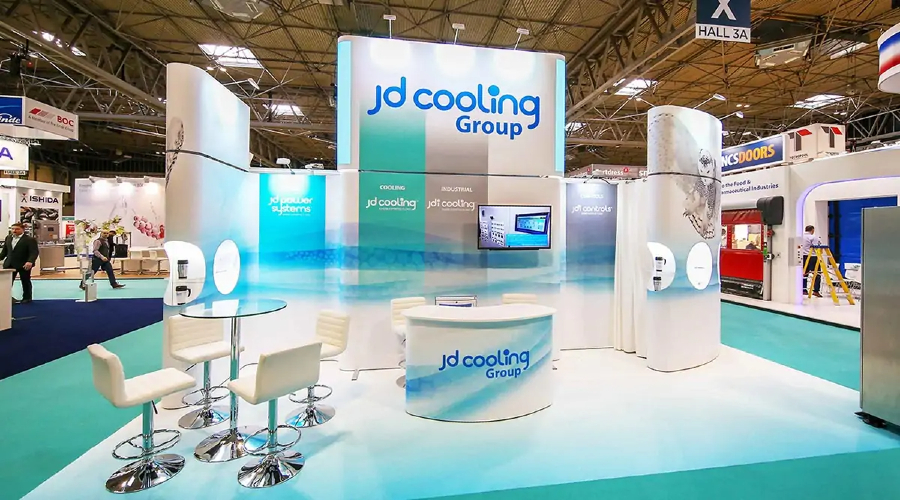

In the ever-changing world of retail, adaptability is key. Traditional, fixed displays often fall short of meeting the dynamic needs of modern retailers. This is where modular display stands come into play.
Offering flexibility, mobility, and a wealth of design options, you can easily reconfigure these innovative solutions to match shifting shop layouts or event requirements. In this article, we explore the advantages and share tips on using modular display stands effectively in your retail space.
Advantages of using modular display stands
Such stands present a myriad of benefits, especially when it comes to flexibility and mobility. Their customizable nature allows retailers to adapt their display configurations quickly. That might be new product launches, seasonal trends, or changes in consumer behavior.
Because they can be assembled and disassembled with ease, these stands also offer remarkable mobility. Making them perfect for use in pop-up shops, trade shows, and exhibitions. Their versatility can even lead to cost savings over time, as the same set of modules can be used to create numerous different displays.
Modular display stand types and portability features
There’s a wide variety of modular display stands on the market, each with unique portability features.
Some common types include:
- Slatwall displays: Comprising a series of slotted panels, these displays offer high customization and you can easily rearrange them to accommodate different products. Many come with detachable wheels for added mobility.
- Gridwall displays: These are similar to slatwall displays but are typically lighter, making them more portable. Hooks, shelves, and baskets can be inserted into the grid as needed.
- Cube displays: Made up of interlocking cubes, these stands are highly flexible and lightweight. You can configure them horizontally or vertically based on the available space and the products being displayed.
These features make transporting and setting up displays at different events, trade shows, or retail environments easier.
Reconfiguring modular display stands for changing layouts
One of the key benefits of modular display stands is their adaptability. When your store layout changes or you move to a new location, you can easily dismantle and reconfigure the stands to fit the new environment. This adaptability extends to changes in your product offerings, too. As the product line evolves, you can rearrange the modules to ensure each product is displayed to its best advantage.
To optimize this flexibility, start by sketching out your new layout or display configuration. Consider factors like customer flow, product visibility, and accessibility. Then, simply rearrange the modules as needed. Always remember to ensure stability when reconfiguring the stands.
Modular display stands in pop-up shop environments
Pop-up shops and temporary retail environments demand high levels of flexibility and mobility. Here, modular display stands truly shine. With their easy setup and breakdown process, they’re ideal for such temporary spaces.
Before setting up your display, study the available space and identify high-visibility areas. Use these spots for your most popular or promotional items. Since modular display stands are easy to move around, you can experiment with different configurations throughout the duration of the pop-up event to see what works best.
For transportation and storage, look for display stands that are collapsible or come with carrying cases. This will make it easier to move and store the stands when they’re not in use.

Portable and collapsible design options
Many modular display stands are easily portable and collapsible. This makes them incredibly convenient for retailers who often participate in trade shows or run pop-up shops.
Design options like foldable panels, removable shelves, and detachable wheels not only make these stands easier to transport but also save space in storage. Some even come with their bags or cases, making transport even more effortless.
Case studies of successful modular display stand usage
There are numerous real-world examples that illustrate the benefits of flexible and mobile modular display stands.
- Fashion pop-up shop: A fast-fashion brand set up a pop-up shop for a new seasonal collection. Using modular display stands, they created a versatile and inviting retail environment that perfectly showcased their clothing and accessories. As the pop-up event went on, they reconfigured the displays multiple times to keep the layout fresh and engaging, resulting in higher customer footfall and increased sales.
- Trade show exhibition: A tech company used lightweight, collapsible modular display stands to showcase their products at a trade show. The stands were easy to transport and set up, saving valuable time and effort. The flexibility of the stands also allowed the company to tailor their display to fit the available space at the trade show.
- Bookstore renovation: A bookstore undergoing a renovation used modular display stands to minimize disruption. You can easily move the stands around during the renovation process, allowing the store to remain open and maintain a pleasing shopping environment. Once the renovation was complete, the stands were reconfigured to fit the new layout, giving the store a fresh, updated look.
In conclusion
As we’ve seen, modular display stands offer unparalleled flexibility and mobility for modern retailers. By harnessing the power of these innovative display solutions, you can adapt quickly to changes, optimize your retail space, and create visually appealing environments. Whether you’re running a permanent retail location or a temporary pop-up shop, modular display stands can elevate your retail strategy to new heights.
If you want to learn more about creating an eye-catching design for your marketing materials, make sure to check out these articles:
There you will have more information about key principles for creating a design that catches your potential customers eye. And if you want to expand your knowledge in marketing furniture for brand awareness, check out that page.


