digital price tags

Sustainability Impact of Digital Price Tags

Welcome back to DisplayHype.com, the premier site for professionals seeking the latest and greatest in advertising, merchandising, and brand awareness. In the fast-paced world of retail, staying updated on the most efficient and sustainable industry practices is crucial. That’s why we’re looking closely at digital price tags today.

As marketers, we know the shift toward digital solutions across the sector. One notable change has been transitioning from traditional paper price tags to digital ones. This shift isn’t just about streamlining operations—it’s part of a broader focus on sustainability.

In this article, we will delve into the environmental advantages of digital price tags, compare the carbon footprints of paper and digital tags, and explore how going digital can be a significant part of a supermarket’s overall sustainability strategy. Buckle up and get ready to be enlightened!

What are digital price tags?

Digital price tags, or electronic shelf labels (ESLs), are used in retail settings to display product pricing on shelves. They replace traditional paper tags. It is a flexible and programmable alternative. This digital solution has the potential to reduce waste significantly, cut down on resources used for printing, and diminish the carbon footprint of retail operations.

ESLs can be updated remotely. It provides real-time price changes and reducing pricing errors. This flexibility not only improves operational efficiency but also enhances customer experience. But beyond the apparent operational benefits, what does this digital transition mean for sustainability?

The carbon footprint of paper tags

To understand the sustainability impact of digital price tags, it’s essential to consider the environmental cost of using paper tags. Producing paper involves cutting trees, contributing to deforestation, and releasing carbon dioxide into the atmosphere. Then there’s the energy and water used in the papermaking process and the waste retailers create by discarded paper tags.

For example, consider a mid-sized supermarket, which may need to update its price tags weekly. For 10,000 products, this could mean the disposal of 40,000 paper tags every month. That’s a significant waste volume and carbon footprint from these tags’ production, transportation, and disposal.

Environmental advantages of digital tags

In contrast, digital price tags offer several environmental benefits. First, they reduce the amount of paper waste produced. With ESLs, there’s no need to print, replace, and discard paper tags whenever a price changes.

Digital tags also consume minimal power. Most models use E-ink displays, the same technology used in e-readers, which only use power when the price information is updated. Some manufacturers, like Pricer, claim their tags can last up to ten years on a single coin-cell battery. Further, ESLs also save energy indirectly by reducing the need for transportation. Since prices can be updated remotely, there’s no need to physically distribute paper tags, cutting down on fuel consumption and related emissions.

Digital price tags in sustainability strategy

Implementing digital price tags is a strategic decision that can contribute to a supermarket’s sustainability strategy. Firstly, it demonstrates a commitment to reducing waste and carbon footprint, aligning with corporate social responsibility (CSR) goals. It can improve the company’s image with increasingly eco-conscious consumers.

The shift to ESLs can also result in significant cost savings, despite initial setup costs. Money saved on paper, printing, and transportation can be used for other sustainability initiatives, contributing to a virtuous cycle of environmental responsibility. A notable example is the French retail giant Carrefour. They have installed more than 2.5 million ESLs across its stores. The move is part of the company’s commitment to reduce paper waste and its carbon footprint.

Digital transformation and sustainability

The switch to digital price tags is part of a broader trend toward digital transformation in the retail industry. As well as reducing environmental impact, these changes can improve efficiency, accuracy, and customer experience. Internet of Things (IoT), artificial intelligence (AI), and big data enables retailers to operate more sustainably. Digital price tags are just one part of this picture. Retailers also use these technologies for improved inventory management, energy-efficient lighting and refrigeration, and more.

Adopting digital price tags aligns perfectly with global sustainability needs. This shift offers direct environmental benefits and forms a part of a larger, holistic approach to digital transformation in retail. It’s a clear win-win for retailers, customers, and the planet.

Conclusion

The switch to digital price tags paints a vivid picture of the future of retail. The future where we use smart, efficient, and sustainable practices. This change brings benefits in terms of operational efficiency and substantially contributes to the broader push for environmental sustainability.

At DisplayHype.com, we believe in the power of digital transformation. Adopting digital price tags is a fantastic example of how sustainability and efficiency can go hand in hand in this digital era. We encourage our readers to think about how you can incorporate digital solutions like electronic shelf labels into your marketing and operational strategies. Remember, shifting to sustainable practices is good for both the planet and business. Stay tuned for more insights, tips, and trends!

If you want to make more environmentally responsible choices, read how to promote sustainability with eco-friendly display stands.


digital signage

Best Practices for Complying with Digital Signage Regulations

In the evolving scene of digital advertising, digital signage has become as a powerful tool for marketers. They can grab attention, build brand awareness, and drive sales. But, like any potent tool, it comes with its regulations.  In this article, we will take a look at the best practices for complying with digital signage regulations.

For marketing professionals, understanding these rules is a legal necessity and a key to effective and responsible advertising. We will delve into the key legal considerations, the process of securing permits, and how to ensure that your signs are safe and accessible.

Being aware of legal factors

In the realm of digital signage, several legal aspects demand your attention. These can range from zoning laws that dictate where you can place your signs to regulations about the type of content you can display. For instance, in many areas, there are restrictions on signs that could be considered distracting to drivers. For example, signs with flashing or moving content. Similarly, some regions have restrictions on digital signage to reduce light pollution.

Understanding these laws is crucial to ensure your signage is compliant and doesn’t cause any legal issues. Consulting with a legal professional experienced in local advertising laws can help navigate these complexities.

Having the necessary permits

Several cities and towns require permits for outdoor digital signage. This process can vary widely from jurisdiction to jurisdiction and involves a detailed understanding of local regulations.

The permit process may involve:

providing detailed plans of your sign’s design and placement

paying a fee

undergoing a review by a local board or commission.

For example, New York City requires a detailed application process for outdoor signage.  It’s required to provide specifications such as sign size, illumination type, and installation method.

Following the permit application process carefully will help you avoid any legal roadblocks down the line.

Accessibility and safety

Digital signage needs to be accessible. For example, if your sign includes audio content, it may also need closed captioning to be accessible to those with hearing impairments.

Another crucial thing is safety. Your digital signage shouldn’t pose a risk to the public. Whether it is falling debris or causing distractions that could lead to accidents.

An accessible and safe sign is not just compliant. It can also effectively reach a wider audience.

Keeping up with changing regulations

As digital signage technology evolves, so do the laws and regulations around it. For marketing professionals, staying updated with these changes is critical.

It might involve regular check-ins with your legal team, attending industry workshops, or subscribing to relevant regulatory update feeds.

Conclusion

Navigating the world of digital signage regulations might seem complicated. But it’s essential to effective marketing. By understanding the key legal considerations, securing the necessary permits, and ensuring accessibility and safety, you can leverage digital signage to its full potential. 

As a marketing professional, your mission is to create compelling campaigns and ensure they comply with the rules of the land. And as you stay updated with the changing regulations, you’ll ensure your digital signage continues to serve your brand well into the future. If you want to learn even more, check out our article about digital outdoor advertising.

brand awareness with outdoor digital displays

Revolutionizing Brand Awareness with Outdoor Digital Displays

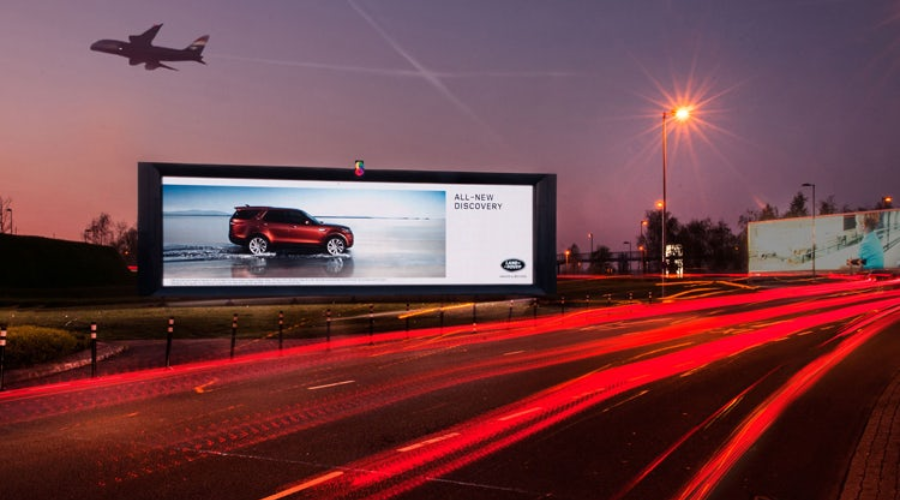
In outdoor advertising, the digital era has ushered in a dynamic shift. Traditionally static billboards and signage are now giving way to interactive, vibrant, and attention-grabbing outdoor digital displays. 

These high-tech tools are transforming the landscape of outdoor advertising, revolutionizing brand awareness, and offering an unparalleled opportunity to captivate audiences. This article will explore this growing trend and illustrate how outdoor digital displays are becoming an essential component of successful marketing strategies.

The rise of outdoor digital displays

Outdoor digital displays are enjoying a surge in popularity, and there are several compelling reasons why. Advances in technology and a shift in consumer behavior have combined to make digital displays a powerful and increasingly affordable tool for businesses of all sizes.

Striking visual appeal: The vibrant, high-definition visuals of outdoor digital displays are hard to ignore. They offer a level of clarity and color fidelity that traditional print media simply can’t match. According to a study by Arbitron, 71% of people often look at the messages on roadside billboards, which suggests that outdoor digital displays have an inherent capacity to draw attention.

Dynamic content: Outdoor digital displays provide the flexibility to change content frequently and without additional costs. This ability to display time-sensitive or targeted messages increases their relevance and engagement potential. The Out of Home Advertising Association of America (OAAA) reports that digital out-of-home (DOOH) media has a 15-50% higher recognition rate than static out-of-home media, demonstrating the effectiveness of dynamic content.

24/7 visibility: Unlike other forms of outdoor advertising that rely on external light sources, digital displays are self-illuminating, meaning they’re visible day and night. This continuous exposure significantly boosts the number of impressions they generate.

Interactivity and engagement: Advanced digital displays can offer interactive experiences, such as touchscreens or augmented reality integrations. These features can significantly enhance audience engagement. A study by Grand View Research indicated that interactive displays market size was valued at USD 14.63 billion in 2020 and is expected to expand at a compound annual growth rate (CAGR) of 8.3% from 2021 to 2028, demonstrating the growing demand for interactive experiences.

Cost and energy efficiency: While the initial investment in digital signage may be higher than traditional methods, the long-term costs can be lower due to the savings on printing, distribution, and waste disposal. Additionally, newer models of digital displays are becoming more energy-efficient, further reducing operational costs and aligning with the sustainability goals of many modern businesses. Learn about options for financing advertising displays.

The combination of these factors has propelled the adoption of outdoor digital displays across numerous sectors, including retail, hospitality, transportation, and corporate communications. With their visual appeal, dynamic capabilities, and growing affordability, these innovative advertising tools are set to dominate the outdoor advertising landscape for the foreseeable future.

Captivating audiences with dynamic content

One of the significant advantages of outdoor digital displays lies in their ability to present dynamic content. Unlike traditional billboards, these displays can show moving images and videos, making them more engaging and likely to capture the viewer’s attention. 

The content can also be changed or updated instantly without any additional cost, allowing advertisers to respond quickly to changing market conditions or customer behaviors.

Moreover, advanced digital displays can provide interactive experiences, offering touchscreen capabilities, augmented reality elements, or real-time data integration. By engaging audiences in this interactive way, brands can create more profound, lasting impressions that can lead to increased brand recall and customer loyalty.

Innovative examples of outdoor digital displays

To truly grasp the potential of outdoor digital displays, we can look at some innovative applications. 

For instance, Pepsi Max launched a dynamic digital advertising campaign at a bus stop in London, featuring augmented reality scenarios ranging from a meteor crash to a tiger running loose. This campaign captivated passersby and created significant buzz on social media, illustrating the potential of digital displays to go beyond traditional advertising and create unforgettable brand experiences.

Another excellent example is the McDonald’s “McTrax” campaign in the Netherlands, which turned a large outdoor billboard into an interactive music studio. By using their smartphones, passersby could create their beats and share them on social media. The campaign resulted in high levels of audience engagement and significant online buzz, demonstrating the innovative ways in which brands can leverage outdoor digital displays.

Comparing outdoor digital displays to other advertising methods

Every advertising medium has its strengths and weaknesses, and outdoor digital displays are no exception. Understanding how these displays compare with other advertising methods is crucial for businesses trying to decide where to allocate their marketing budget for maximum brand awareness.

Outdoor digital displays vs traditional billboards

Traditional billboards have been a mainstay of outdoor advertising for decades. However, outdoor digital displays offer significant advantages. As mentioned earlier, the flexibility to change content frequently allows for time-sensitive promotions and targeted messaging. 

In contrast, changing the content on a traditional billboard is a more involved process, often requiring physical labor and materials, which could add additional costs. According to a Nielsen study, digital billboards generate high recall for ads and positive consumer attitudes, with 82% of billboard viewers noticing digital billboards both day and night.

Outdoor digital displays vs print media

Print media such as magazines, newspapers, and flyers allow for detailed messaging and a wide distribution. However, the static nature of print media means it lacks the dynamic, attention-grabbing visuals of digital displays. Plus, print media can be easy to ignore or dispose of, whereas a large, vibrant digital display in a high-traffic area is much harder for potential customers to overlook.

Outdoor digital displays vs online advertising

Online advertising has the advantage of detailed targeting, retargeting, and conversion tracking. However, digital displays can complement online strategies by reinforcing the same messaging in the physical world, creating a multi-channel marketing approach. Plus, with ad-blocking technology becoming more prevalent, digital displays can ensure your brand message reaches a wider audience.

Outdoor digital displays vs TV and radio ads

While TV and radio ads can reach a large audience, they’re often more expensive and lack the locality of digital displays. Digital displays, especially when placed strategically, can reach a local audience consistently and generate high local brand recognition.

Outdoor digital displays vs social media advertising

Social media advertising provides vast audience targeting capabilities and instant feedback. Still, algorithms control the visibility of ads on these platforms, and the lifespan of social media ads is generally quite short. Conversely, digital displays ensure visibility and have a much longer lifespan per campaign.

In conclusion, while other advertising methods have their advantages, outdoor digital displays provide a unique combination of advantages – locality, visibility, dynamism, and increasingly interactive capabilities – that make them an effective tool for increasing brand awareness in today’s fast-paced advertising landscape.

Final thoughts and other considerations

Outdoor digital displays are an impactful way to boost brand visibility and create memorable experiences. However, their effectiveness hinges on several factors, including content quality, display location, and the target audience’s nature. Thus, brands should strategically plan their digital display campaigns, ensuring they align with their overall marketing objectives and cater to their target audience’s interests and behaviors.

As technology continues to advance, we can expect to see even more innovative uses of outdoor digital displays. From incorporating artificial intelligence and machine learning to offering personalized experiences based on data analytics, the future of outdoor digital advertising looks bright and promising. Marketers, therefore, need to stay abreast of these developments to effectively leverage these tools and continue revolutionizing brand awareness.

For more information about outdoor digital displays, check out these two articles –

Metrics of Digital Outdoor Advertising

Maximizing the Effectiveness of Outdoor Menu Display Stands

There you will find more knowledge and tips about outdoor digital displays, their advantages, and possibilities.

Lighting in Beverage Display Stands

The Role of Lighting in Beverage Display Stands

The beverage industry is a fiercely competitive market, with countless brands vying for consumer attention. As such, creating visually captivating display stands has become a necessity for any brand hoping to stand out. One of the key elements that can dramatically enhance the appeal of a beverage display stand is effective Lighting.

In this article, we’ll delve into the importance of Lighting in creating mood, highlighting products, and capturing customer attention.

Setting the mood with lighting

The way a product is lit can significantly influence the mood and atmosphere of your display, effectively capturing the essence of the beverage being promoted. Whether it’s the warm glow of a whiskey brand or a refreshing light for a line of fruit juices, the lighting can tell a story before the customer even tastes the product.

Lighting experts stress the importance of understanding the emotional response you want to evoke in your customers. Brands can use different colors and intensities of light to bring out specific feelings associated with their beverages, adding a depth of experience that goes beyond mere product presentation.

Product highlighting and visibility

Strategically placed lighting can effectively guide the customer’s gaze toward specific products, making them stand out on the display stand. Spotlights, for instance, can be used to highlight premium or new offerings. Ambient lighting can give an overview of the entire range of products, making the display visually appealing from a distance.

Additionally, Lighting can play a pivotal role in enhancing the colors of beverage packaging, making them more vibrant and enticing to customers. This is especially true for beverages in clear or semi-transparent containers, where internal Lighting can make the liquid inside the bottle shine, thereby enhancing its appeal.

Attracting customer attention

A well-lit display stand is naturally more eye-catching. Bright, dynamic lights can attract customers from afar and draw them toward the stand. Lighting can also create contrast with the surrounding environment, making the display stand pop and grab customer attention.

Brands can also use Lighting to create visual interest and dynamism. For instance, changing lights, scrolling lights, or even interactive lights that respond to customer movement can turn a simple display stand into an immersive experience.

The art of lighting design

To understand the importance of lighting in beverage display stands, let’s turn to the thoughts of some industry experts:

Jane Doe, renowned lighting designer: “The correct lighting setup can enhance product visibility, accentuate colors, and create a certain ambiance. It’s essential to understand the brand, the product, and the customer to effectively use Lighting in a display.”

John Smith, display design consultant: “Lighting can create hierarchy and focus within a display. The use of light and shadow can guide the customer’s eye towards key products and brand messaging.”

Emily Davis, visual merchandising expert: “Lighting can dramatically alter the perception of a product. It’s a powerful tool that can evoke emotion, create a mood, and tell a story.”

Martin Clark, retail design specialist: “Great lighting doesn’t just illuminate a product. It adds dimension and depth, breathing life into inanimate objects and turning ordinary products into must-have items.”

Susan White, branding consultant: “Effective lighting strategies can reinforce brand identity. By using light creatively, brands can establish a unique visual identity that resonates with consumers and sets them apart from competitors.”

These experts highlight how lighting isn’t just a functional element. It’s an integral component of effective display design and brand storytelling.

Effective lighting in beverage displays

Beverage giant Coca-Cola has been known for their effective use of Lighting in their display stands. The company uses dynamic, bright red lights to match their iconic brand color, making their displays instantly recognizable. This clever use of Lighting not only highlights their products but also reinforces their brand identity in the minds of the customers.

Wrapping up

As we’ve explored, Lighting is much more than a tool to illuminate a beverage display stand. It is a crucial aspect of visual merchandising that can set the mood, highlight products, attract customer attention, and enhance the overall brand experience. Brands aiming to make a lasting impression on their customers should consider investing in effective lighting design for their display stands.

In future posts on DisplayHype, we’ll delve into the technical aspects of lighting design, exploring different types of lights, installation tips, and the science of color temperatures. Stay tuned to make the most of your beverage display stands!

eco-friendly display stands in retail store

Promoting Sustainability with Eco-Friendly Display Stands

As modern consumers become increasingly eco-conscious, businesses must reflect their dedication to sustainability not only in their products but in their marketing and advertising strategies as well. This trend has permeated into the world of display stands, which are crucial elements in retail merchandising. Here, we’ll delve into how eco-friendly display stands can enhance a brand’s commitment to sustainability while also bolstering brand awareness.

The green movement in retail

Environmental consciousness is no longer a fringe movement. Consumers today not only appreciate but also expect businesses to take strides toward sustainability. Retail businesses, including cafes and stores, are in an excellent position to demonstrate this commitment through eco-friendly display stands.

The benefits of using such materials go beyond mere aesthetics. By choosing eco-friendly materials for display stands, businesses can significantly reduce their carbon footprint, supporting global efforts towards environmental conservation.

Branding meets sustainability

Branding is the essence of a business—it represents what you stand for. When a brand aligns itself with sustainability, it can form a deeper connection with its customers. Display stands, being the first point of interaction with the customer, become pivotal in driving home this message.

Eco-friendly display stands carry a brand’s sustainability message from the business to the customer. They serve as visual and physical evidence of a brand’s dedication to preserving the environment. For instance, a cafe using display stands made from recycled or sustainably sourced materials can enhance its reputation as an environmentally responsible business.

Appealing to the eco-conscious customer

Today’s consumer is often willing to pay a premium for products and services that align with their values. Displaying merchandise or food items on eco-friendly stands can entice this growing demographic. A customer walking into a cafe and seeing coffee served on a display stand made from reclaimed wood, for example, is not just seeing a commitment to the environment—they’re seeing a brand that aligns with their values.

Sustainable brands leading the way

Let’s look at some pioneering brands that have integrated sustainable practices into their display strategies:

Patagonia

Outdoor clothing and gear retailer Patagonia has long been known for its commitment to sustainability, and its retail displays are no exception. The company has made efforts to use recycled materials in their in-store display stands. Patagonia also encourages the repurposing and recycling of its products, a commitment that extends to its display stands. This practice communicates their eco-friendly ethos directly to the consumer and reinforces their brand identity.

Starbucks

Starbucks, the global coffeehouse chain, has been at the forefront of eco-friendly initiatives in the food and beverage industry. Their dedication to sustainability extends to their in-store displays. Many Starbucks locations feature display stands made from responsibly-sourced wood and other sustainable materials. In addition, Starbucks uses recycled materials for their signage and other promotional materials, further emphasizing their commitment to the environment.

Whole Foods

Whole Foods Market, a grocery store chain specializing in natural and organic foods, has also integrated sustainability into its in-store displays. They use display stands made from natural, recycled, or reclaimed materials to showcase their produce and other products. The sustainable design of these stands not only enhances the store’s aesthetic but also emphasizes Whole Foods’ commitment to environmental stewardship, aligning with the values of their target customers.

These brands exemplify how a dedication to sustainability can be woven into all aspects of a business, including display stands. Their efforts demonstrate that sustainability is more than a buzzword—it’s a key element of their brand identities and a driving factor in their success.

Future directions

Looking ahead, we can expect the trend toward sustainability in retail merchandising to intensify. Businesses that prioritize eco-friendliness in their display stands will likely enjoy an edge over their competition. Embracing sustainable display stands is more than just a good marketing move—it’s an investment in our planet’s future.

As we continue to discuss retail merchandising strategies, we’ll explore other aspects of sustainable display stand design, including upcycling ideas, sustainable sourcing, and innovative green materials. We’ll also delve into how businesses can measure and communicate their environmental impact to their customers effectively.

If you found this article helpful, make sure to check out these two related articles –

Immersive Brand Experience with Showroom Display Stands

Key Principles for Eye-Catching Design

There you will find more information about creating an eco-friendly stand that is not only sustainable but is eye-catching and how to boost brand experience with your stands.

eco-friendly flower display stands

Be Green with Eco-Friendly Flower Display Stands

As marketing professionals, we know that every aspect of a retail store communicates a message about the brand, including the fixtures we use. 

With environmental concerns becoming increasingly important, considering the environmental impact of our display choices has never been more crucial. In this post, we explore how you can make your flower displays not just visually appealing but also eco-friendly.

Why choose eco-friendly display stands

As consumers become more eco-conscious, businesses are responding by prioritizing sustainability in their operations. Why should eco-friendly tiered display stands be part of your sustainability efforts?

Choosing eco-friendly flower display stands can align with your brand’s sustainability goals and appeal to green-minded consumers. A Nielsen global online study showed that 66% of consumers are willing to spend more on a product if it comes from a sustainable brand, demonstrating the commercial value of eco-conscious decisions.

Choosing sustainable display stand materials

When it comes to eco-friendly display stands, the choice of material is paramount. What options exist for retailers seeking green alternatives?

Consider stands made from recycled or sustainably sourced materials. Recycled metal or plastic stands can be just as durable and aesthetically pleasing as their new counterparts. Wood stands sourced from sustainably managed forests are another great option. 

For instance, a florist could use a tiered stand made from reclaimed barn wood, adding a rustic charm to the shop while keeping things eco-friendly. Learn more about key principles for eye-catching design on this page.

Upcycle your way to sustainability

The upcycling trend is a creative and eco-friendly solution for retail displays. How can upcycled tiered stands contribute to your green objectives?

Upcycling involves transforming waste materials or unwanted products into new materials or products of better quality or environmental value. An old ladder, for instance, could be repurposed into a unique and rustic tiered flower display. This not only reduces waste but also adds a story and character to your display.

Eco-friendly maintenance of your display stands

Keeping your display stands in good condition is crucial. How can this be achieved in an eco-friendly manner?

Use eco-friendly cleaning products to maintain your stands. These products, derived from natural ingredients, minimize the environmental impact of your maintenance routine and ensure the health and safety of your staff and customers. Also, consider a regular maintenance schedule to extend the lifespan of your displays, reducing the need for replacements.

Conclusion

Incorporating sustainability into your retail strategy can be as simple as choosing eco-friendly flower display stands. This small change can make a significant difference in your environmental footprint, align with your brand’s values, and appeal to your eco-conscious customers.

Looking to delve deeper into sustainability in retail? Stay tuned to DisplayHype for more posts on topics such as the role of technology in sustainable retail and marketing strategies for promoting your brand’s green initiatives.

Countertop Display Stands

Creating a Brand Story through Countertop Display Stands

The way you present your products in your store can do quite a lot for your sales. First of all, it can tell a story about your brand. It can tell your customers more about who you are. And it can be told with quite everything in your store, also such details as countertop display stands.

Your chosen displays can evoke emotions, show your values, and experiences that resonate with customers. Therefore it is very important to take care of such details so everything makes sense together. Good countertop display stands can be a real help.

So in this article, we’ll take a look at the art of brand storytelling through countertop display stands. You will get to know just how you can use these stands to convey your brand’s story or mood. And learn how to integrate signs or infographics to amplify your messaging. 

Let’s get started already!

Understand the importance of brand storytelling

The first step is to make sure your storytelling is excellent. Brand storytelling is a powerful way to connect with customers and differentiate your business from competitors.

To be fair, storytelling is deeply ingrained in human culture. We use stories to make sense of the world, understand information, and form connections. Brands can tap into this universal human trait to create emotional connections with customers.

A compelling brand story can do the following:

Increase brand recognition – a unique and memorable story can make your brand stand out in customers’ minds.

Build customer trust – authentic stories can humanize your brand and foster trust.

Drive customer loyalty – customers who feel a connection to your brand story are more likely to become repeat customers and brand advocates.

When we think about big brands, there is always a story behind them. It can be something related to their goals and values as well as a mission. Some want to offer a unique product to make their customers’ everyday life easier. Others fight for sustainability or some other cause.

Share your brand story through countertop display stands

Your countertop display stands can be a visual representation of your brand story. It can be a way of subtly communicating your values and mission.

For example, the way you arrange and present your products can say a lot about your brand. By carefully curating your displays, you can convey your brand story in a way that resonates with customers.

Here are some tips on using your countertop display stands to tell your brand story:

Theme your displays – if your brand is all about sustainability, you might theme your displays around nature, using natural materials for the stand and showcasing eco-friendly products.

Product curation – choose products for your display that reflect your brand values. For example, a brand dedicated to artisan craftsmanship could highlight handmade items.

Color and design – use brand colors and design elements in your displays to reinforce your brand identity.

There are many ways you can share a story about your brand. Many customers might not even realize it at the beginning but such elements as colors and design will stay with them subconsciously. And later on it will create a story about your brand in their minds. That is what you want.

And you want to go even further, include other display stands too. For example, vendor display stands or modular display stands.

You can also set the right mood with display stands

Beyond telling a story, your countertop display stands can also evoke a specific mood or atmosphere that aligns with your brand.

Here’s how to create a mood with your countertop displays:

Lighting – soft lighting can create a warm, inviting atmosphere, while bright, cool lighting can feel modern and energizing.

Materials – the materials used in your display stand can evoke different moods. For example, rustic wood might feel cozy and down-to-earth, while sleek metal can feel sophisticated and modern.

Arrangement – a neatly arranged display can feel organized and calming, while a more eclectic arrangement might feel fun and quirky.

Remember that the look and feel of your displays can influence customers’ emotions. As a result it can shape their perceptions of your brand and their shopping experience.

Make sure to integrate signs and infographics into your displays

Another tip in creating a brand story is to include signs. That is because signs and infographics can provide additional context and information. Then it will help with enhancing your brand storytelling efforts.

While your products and display stands can visually convey your brand story, signs and infographics can communicate more explicit messages. It will offer further insight into your brand values and mission.

Consider these ways to incorporate signs and infographics:

Product information – use signs to highlight the unique qualities of the products on display, such as their origin, ingredients, or the artisan who made them.

Brand values – display infographics that communicate your brand’s mission or values. For example, a brand focused on sustainability could use an infographic to show how their products or business practices are eco-friendly.

Customer testimonials – make sure to share positive reviews or testimonials from satisfied customers. This social proof can strengthen your brand story and make it more convincing.

Creating a brand story through countertop display stands is about more than just selling products – it’s about connecting with customers on an emotional level. 

In conclusion

Overall, by thoughtfully curating your displays to convey your brand story and mood, you can create a shopping experience that resonates with customers and sets your brand apart. Remember, that your brand story should be authentic and consistently reflected in all aspects of your business.

By that we mean every detail from your product selection to your customer service. With a compelling brand story, you can not only attract more customers, but also build stronger relationships with them and inspire lasting loyalty. 

So happy storytelling!

outdoor digital signage

Metrics of Digital Outdoor Advertising

Digital Out-of-Home (DOOH) advertising has opened up new possibilities for measuring the impact and effectiveness of outdoor advertising campaigns. However, understanding these metrics can be challenging, especially if you’re new to the digital advertising world.

In this article, we’ll demystify these metrics, explaining what they mean and why they’re important. And, of course, how you can use them to optimize your campaigns.

Impressions: potential eyes on your ads

Impressions represent the potential number of times your ad has been seen or the number of opportunities your ad had to be seen. In the context of DOOH, impressions refer to the estimated number of people who have passed by your ad.

An impression doesn’t guarantee that someone has looked at your ad, only that they had the opportunity to do so. For instance, if your digital billboard is in a location that gets 10,000 passersby per day, that’s 10,000 potential impressions. Impressions are a crucial starting point for understanding the potential reach of your outdoor advertising campaigns.

When analyzing impressions, consider the location and timing of your ad display. An ad placed in a city center during peak hours will likely generate more impressions than one in a quiet suburb. This understanding can guide you in selecting the most optimal locations and times for your ad displays.

Reach: the breadth of your campaign

Reach refers to the number of unique individuals who have potentially seen your ad over a specific period. Unlike impressions, reach aims to identify the total unique audience exposed to your ad.

Reach provides a broader understanding of your ad’s audience. An ad might generate millions of impressions. But, If it’s the same people passing by repeatedly, your reach may be much smaller.

Advertisers can increase their reach by diversifying their ad placements. For instance, placing ads on multiple billboards across a city, or varying the timing of when your ads are displayed, can help ensure that your ads are seen by a larger, more diverse audience.

Frequency: how often people see your ads

Frequency refers to the average number of times each individual within your reach has potentially seen your ad. It’s a measure of repetition, demonstrating how often your message is getting in front of the same eyes.

While impressions and reach give you an idea of the size of your audience, frequency tells you how often you’re connecting with that audience. A high frequency means your audience is seeing your message repeatedly, which can be helpful for brand recognition and recall.

High frequency isn’t always better. Overexposure to the same ad can lead to ad fatigue, causing people to either tune out your message or develop negative feelings toward your brand. Balance is key – you want your audience to see your message enough to remember it, but not so much that it becomes annoying.

Engagement: interactions with your ads

Engagement measures the level of interaction that consumers have with your ad. In DOOH, this could include a variety of actions. Such as scanning a QR code displayed on the ad, visiting a promoted website, or using a hashtag associated with the ad on social media.

Engagement measures show how your audience is actively responding to your message. High engagement indicates that your ad is not just being seen but is also compelling enough to inspire action.

Engagement can often be boosted by incorporating interactive elements into your ad. For instance, adding a QR code that leads to a landing page with more information or a special offer can encourage viewers to interact with your ad. Make sure to track these actions meticulously to accurately measure engagement.

Conversion rates: from viewers to customers

Conversion rate is the percentage of individuals who take a desired action after viewing your ad. This could include making a purchase, filling out a form, downloading an app, or any other action that aligns with the goal of your campaign.

Conversion rates provide insight into the effectiveness of your ad in driving specific consumer behaviors. A high conversion rate indicates that your ad is not only attracting attention but is also persuasive enough to influence consumer actions.

To track conversions from DOOH advertising, you might need to get a bit creative. For instance, you can use unique discount codes, dedicated landing pages, or campaign-specific hashtags to track the actions of consumers who have interacted with your outdoor ads. Make sure that the conversion aligns with your campaign goal – if your goal is to increase brand awareness, tracking downloads of a branded content piece could be an appropriate conversion.

Conclusion

Understanding the metrics of digital outdoor advertising is crucial for campaign optimization. Impressions, reach, frequency, engagement, and conversion rates each provide unique insights into the effectiveness of your ads. By carefully tracking these metrics and adjusting your strategy accordingly, you can increase the ROI of your outdoor advertising efforts and ensure your message is getting in front of the right people, at the right time, in the most impactful way.

If you want to learn more about outdoor advertising, check out these articles:

Maximizing the Effectiveness of Outdoor Menu Display Stands

Key Principles for Eye-Catching Design

Best Practices for Complying with Digital Signage Regulations

There you will find more information about outdoor advertising and creating an appealing design for your potential customers.

hotel's buffet display stands

Transforming Hotel Buffet with Premium Display Stands

The overall experience that a hotel provides for its guests goes a long way in shaping its image and reputation. One area that leaves a lasting impression is the hotel’s buffet. In this article, we discuss how you can transform your hotel buffet by using premium display stands, adding a touch of luxury that is sure to impress your guests.

Selecting high-quality materials for display stands

Choosing materials for your display stands significantly contributes to their appearance and longevity. High-quality materials can give a luxurious feel while ensuring the stands withstand repeated use and cleaning.

Consider materials such as polished stainless steel, tempered glass, or fine ceramics for an elegant touch. Stainless steel stands offer a modern, sleek look and are highly durable. It makes them a popular choice for many luxury hotels. Tempered glass or fine ceramics, on the other hand, can provide a classic, refined look. The Ritz-Carlton, for example, uses a combination of these materials in their buffet display stands, contributing to its reputation for sophistication and luxury.

Choosing luxury styles and colors

The style and color of your display stands play a significant role in setting the ambiance of your buffet area. It is essential to choose designs that align with your hotel’s overall aesthetic and create a luxurious dining environment.

Opt for timeless styles that exude elegance, such as minimalistic designs or classic, ornate styles, depending on your hotel’s theme. For color, neutral tones like black, white, and silver can add a touch of class, while subtle gold accents can provide an aura of luxury. The Four Seasons Hotel is known for their elegant buffet display stands, which perfectly align with its luxurious and timeless aesthetic.

Arranging display stands

The arrangement of your display stands can greatly affect the overall look of your buffet. An attractive layout can enhance the visual appeal of the food and make the dining experience more enjoyable for your guests.

Use varying heights to create depth and interest—place taller stands at the back and shorter ones in front. This also ensures that all dishes are clearly visible. Arrange similar food types together for a cohesive look and easy navigation. The Burj Al Arab Hotel in Dubai, for example, is renowned for its visually stunning buffet layout, which complements their high-quality display stands and an array of gourmet offerings.

Hotels excelling in premium buffet display

Many luxury hotels around the world have effectively used premium display stands to enhance their buffets.

Here are some standout examples:

The Plaza, New York: Known for its elegance, The Plaza uses premium display stands made of polished stainless steel and fine ceramics. Their arrangement creates a visually stunning buffet that aligns with the hotel’s luxurious aesthetics.

The Oberoi Udaivilas, India: This hotel uses display stands with traditional designs and gold accents, reflecting the rich heritage of its location. The stands’ high quality and unique style contribute to the hotel’s reputation for royal-like dining experiences.

Shangri-La Bosphorus, Istanbul: Combining modern design with a touch of classic luxury, this hotel uses high-quality glass and stainless steel stands. Their buffet is an excellent example of how well-chosen and well-arranged display stands can create a captivating visual experience.

By carefully selecting high-quality materials, elegant styles, and colors and arranging your display stands thoughtfully. You can transform your hotel buffet into a luxurious dining experience that will leave a lasting impression on your guests.

The role of lighting in highlighting premium display stands

Lighting is crucial in creating a luxurious ambiance in your buffet area. It also enhances the look of your premium display stands and makes the food appear more appealing.

Opt for soft, warm lighting that creates an inviting and cozy atmosphere. Spotlights can be used to highlight specific areas or dishes, drawing attention to your display stands and the variety of food offered. You can also use under-counter lighting for a modern, sophisticated touch. The Mandarin Oriental, for instance, uses a clever mix of ambient and accent lighting in its buffet area to highlight its premium display stands and the food displayed on them.

Care and maintenance of premium display stands

Proper care and maintenance are essential to ensure your premium display stands continue to add a touch of luxury to your buffet for years to come.

Regular cleaning is crucial to maintain the stand’s appearance and hygiene. Be sure to follow the manufacturer’s instructions for cleaning, as different materials may require different cleaning methods. Periodic checks for any wear and tear, and prompt repairs, can help maintain the stands’ premium look. Lastly, when not in use, store the stands properly to prevent any damage.

Conclusion

By investing in high-quality display stands and arranging them thoughtfully, you can transform your hotel’s buffet from a mere food service area into a luxurious dining experience. This not only enhances your guests’ overall experience but also reinforces your hotel’s image of luxury and sophistication. Remember, it’s the attention to such details that can set your hotel apart in the competitive hospitality industry.

Best of luck using your newly gained knowledge of transforming hotel buffets with premium display stands!

If you’re interested in more information about display stands, make sure to check out the display stands page. And if you’re hotel buffet is somehow related to the boutique store, this article might be helpful -Optimize Boutique Space with Table Top Display Stands.

Table Top Display Stands

Optimize Boutique Space with Table Top Display Stands

For boutique owners, optimizing space is critical to both function and aesthetics. Effective utilization of space can ensure smooth customer flow. This is where table top display stands come in the picture because they don’t take too much space, and help you create even more of it.

And if you take care of your space just right, it will surely highlightyour products effectively. When your customers will be able to walk around your space and carefully take a look at your product selection, you have won. It will create a pleasing shopping environment. And good table top display stands can help you out with just that.

In this article, let’s find out how table top display stands can be strategically used to optimize boutique space. Here we will explore considerations for stand placement, item selection, and visual hierarchy creation.

We hope to provide you with a comprehensive guide to elevate your boutique’s overall space management.

Take care of placement for optimal flow

The placement of your table top display stands significantly influences the flow and movement of customers within your boutique.

Here are some tips for optimizing customer flow:

Entrance display – placing a table top display stand near the entrance can draw customers into your store and set the tone for their shopping experience.

Pathway placement – positioning display stands along customers’ natural walking path can subtly guide them through your store. Be careful not to place them too closely together to avoid causing traffic congestion.

Point of Sale – having a display stand near the checkout counter can occupy customers while they wait to pay and also encourage last-minute impulse purchases.

Remember that designing the flow of your store involves strategically positioning your table top display stands. They are supposed to guide customers on a predetermined path, while also maximizing their exposure to your products without causing congestion.

Choose the appropriate items for table top display

Next step is choosing the right items to showcase on your table top display stands. It is critical for grabbing customers’ attention and making the most of your limited space. 

So here’s what you should consider.

Keep the following in mind when selecting items for display:

Size – ideally, items should be small enough to fit comfortably on the display stand, but large enough to catch customers’ eyes from a distance.

Popularity – displaying your best-selling items can draw customers in and also provide social proof, nudging other customers towards a purchase.

Seasonality – seasonally appropriate items can make your display stand feel fresh and relevant.

Uniqueness – showcasing items that are unique or exclusive to your boutique can make the display stand more enticing and enhance your boutique’s overall appeal.

Make sure to carefully select items to display based on their appeal, size, and relevance. These items that you’re trying to sell can serve as a snapshot of what your boutique offers. 

And if they like what they see, surely it will entice customers to explore even further.

Don’t forget to create a visual hierarchy

Visual hierarchy in your displays can guide customers’ attention to key products and make your boutique visually engaging.

Creating a visual hierarchy involves arranging items to emphasize certain products and guide customers’ eyes through the display. So make sure to create a beautiful display that captures customer’s attention.

Here’s how to establish a visual hierarchy in your table top display stands:

Color – use contrasting colors to make certain items stand out. For example, displaying brightly colored items against a neutral background can draw attention.

Size – larger items naturally draw the eye. By placing these items at the center or back of the display, you can guide customers’ attention through the entire display.

Positioning – customers typically scan displays from left to right, similar to reading. Placing key items on the left can ensure they are seen first.

Lighting – spotlights or under-shelf lighting can be used to highlight specific products and create an engaging, dynamic display.

Remember that a great visual hierarchy can be easily achieved. Especially if you take into consideration our methods through the use of color, size, positioning, and lighting.

Make sure to maintain flexibility

While it’s important to have a general layout plan, maintaining flexibility in your boutique’s arrangement can keep your space dynamic and responsive to changing needs.

Here are some ways to maintain flexibility:

Modular displays – choosing table top display stands that can be easily moved or reconfigured allows you to quickly adapt your store layout as needed.

Rotating products – regularly swapping out the items on your table top display stands can keep your boutique feeling fresh and exciting. This is especially useful for highlighting seasonal items or new arrivals.

Responsive arrangement – pay attention to how customers move and behave in your boutique. If certain areas become congested, or if customers consistently overlook a display, don’t hesitate to change your arrangement.

Customer behavior, seasonal changes, and product availability can all impact the ideal configuration of your space.

Conclusion

So all in all, optimizing your boutique space with table top display stands requires a keen understanding of your space, your products, and your customers. 

If you consider strategic placement for optimal flow and create a visual hierarchy, you can create a boutique environment that is both functional and visually appealing.

Remember, there’s no one-size-fits-all strategy. The most effective layout for your boutique will depend on your specific space and customers, so don’t be afraid to experiment, iterate, and find what works best for your unique situation. 

When it comes to display stands for your business, make sure to read:

Maximizing Supermarket Sales with Strategic Retail Shelving

How to Design Eye-Catching Vendor Display Stands

Happy retailing!

wooden easel stand in eco-friendly environment

The Role of Wooden Easel Stands in Eco-friendly Marketing

In an era where sustainability is increasingly important, many businesses are exploring eco-friendly approaches to their operations, including their advertising strategies. Wooden easel stands, made from renewable and biodegradable material, provide an effective and environmentally-friendly solution for displaying marketing materials. 

This article will explore the eco-friendly aspects of them and how they can enhance a brand’s image and demonstrate environmental responsibility.

The sustainability aspect

A shift towards environmentally conscious materials can significantly impact a brand’s public perception and sustainability credentials. Let’s discuss how using wooden easel stands fits into this narrative.

They are inherently eco-friendly due to the nature of their primary material. Wood is a renewable resource, meaning it can be replenished over time, unlike synthetic materials that can take hundreds of years to decompose. Moreover, when sourced responsibly, wood can contribute to sustainable forest management.

Employing wooden easel stands for marketing displays sends a clear message about a brand’s commitment to the environment. For example, a brand showcasing its products on wooden easel stands at a trade show not only creates an aesthetic appeal but also conveys a clear stance on sustainability.

The positive reflection on brand image

How can eco-friendly materials such as wooden easel stand positively affect a brand’s image?

In an era of conscious consumerism, businesses find that their environmental stance can significantly impact customer perception and loyalty. By choosing wooden easel stands for their marketing displays, brands signal a commitment to environmental stewardship. Which can enhance their image and appeal to consumers who value sustainability.

Additionally, they are not only environmentally friendly but also visually appealing. The natural, timeless aesthetic of wood can lend a unique, authentic touch to marketing displays, setting a brand apart from competitors.

Sourcing sustainable wooden easel stands

While opting for wooden easels is an eco-friendly choice, it’s essential to ensure that these stands are sourced sustainably.

Look for suppliers that adhere to responsible forestry practices. This often means that the wood is sourced from forests that are sustainably managed. Certifications like the Forest Stewardship Council (FSC) certification can help identify such suppliers.

Additionally, consider the life cycle of the easel stands. Opt for stands that are durable and can be reused for multiple events. This not only extends the life of the stand but also reduces waste.

Conclusion

In conclusion, using wooden easel stands for marketing displays offers a practical and visually appealing way for brands to demonstrate their commitment to sustainability. By selecting sustainable suppliers and considering the stands’ life cycle, brands can further enhance their eco-friendly practices and foster a positive brand image. As more consumers become environmentally conscious, such practices can contribute significantly to a brand’s success and reputation.

brochure display stands

Harnessing Brochure Stands to Boost Your Corporate Narrative

Storytelling is an integral part of effective communication. This rings true even in the corporate world. Brochure display stands provide an excellent platform for companies to weave a compelling narrative about their history, mission, and values. This article explores strategies to use brochure stands to enhance your corporate narrative visually and contextually.

Structuring content for a compelling narrative

A well-structured corporate narrative goes beyond presenting a sequence of events—it tells a story that engages, informs, and inspires. Begin by highlighting your company’s inception and the inspiration behind it. This creates a solid foundation for your narrative.

Then, detail significant milestones and achievements, emphasizing how they contribute to your company’s growth and mission. Also, present your company’s values and how they drive your actions and decisions. Companies like Nike effectively use this approach, telling a compelling story of their humble beginnings, growth, and commitment to innovation and sustainability.

Incorporating design elements for visual appeal

The design of your brochures significantly influences their effectiveness in communicating your corporate narrative. You can create a visually appealing narrative that complements your content by integrating thoughtful design elements.

Utilize colors that resonate with your brand image. For instance, if your company prioritizes sustainability, hues of green can symbolize this commitment. The use of imagery is also crucial—photographs from different eras of your company’s journey can bring your narrative to life. Furthermore, you can also use eco-friendly materials for brochure stands.

Incorporate graphs or infographics to represent your growth and achievements in a digestible format. Airbnb, for example, uses thoughtful design elements in their brochures to showcase its journey and unique home-sharing concept.

Case studies: successful corporate narratives through brochure stands

Several companies have successfully used brochure display stands to boost their corporate narrative. 

Let’s take a look at a couple of examples:

Apple: Known for its compelling narrative, Apple’s brochures feature their journey from a garage start-up to a tech giant. They showcase their innovation timeline, focusing on landmark products and patents. The design reflects their minimalist aesthetic, creating a visually consistent narrative.

Starbucks: Starbucks uses brochure stands to tell their story of transforming a single Seattle store into an international coffeehouse chain. Their brochures highlight their commitment to sourcing ethical coffee and creating a third place between work and home. With earthy tones and warm images, the design aligns perfectly with their narrative.

Patagonia: Renowned for its environmental activism, Patagonia uses brochure stands to communicate their commitment to sustainability. They tell a story of their efforts towards responsible manufacturing, promoting fair trade, and encouraging customers to repair and recycle their products. The brochures are designed using earthy tones, further emphasizing their environmental ethos.

Tesla: Tesla’s brochures stand out by narrating the story of their mission to accelerate the world’s transition to sustainable energy. They showcase their journey of innovation, from their initial electric Roadster to their advanced autonomous vehicles. The sleek, futuristic design of their brochures mirrors the innovation they stand for.

More examples

Unilever: This multinational consumer goods company uses brochure stands to share their story of commitment to sustainable living. They highlight key initiatives, such as improving health and well-being, reducing environmental impact, and enhancing livelihoods. The design is clear and informative, reflecting their message of transparency and responsibility.

Ben & Jerry’s: Known for their social activism as much as their ice cream, Ben & Jerry’s uses brochure stands to share their mission of creating a business that respects and supports all its stakeholders. They discuss their efforts in areas like climate justice, democracy, and equality, engagingly presented with vibrant colors and whimsical designs.

Lego: Lego’s brochures narrate the story of their journey from a small carpenter’s workshop to a global enterprise. They focus on their mission of inspiring and developing the builders of tomorrow. The brochures, full of bright colors and playful imagery, reflect the creative and fun spirit of the Lego brand.

These examples demonstrate that whether a company sells outdoor clothing, ice cream, or building blocks, a compelling corporate narrative presented through well-designed brochure stands can enhance brand identity, engage stakeholders, and foster a deeper connection with the brand.

Brochure stand impact on the corporate narrative

Brochure display stands can significantly impact how your corporate narrative is perceived and engaged with by various stakeholders.

Through an engaging narrative, customers can connect with your brand on a deeper level, employees feel part of something larger, and potential partners better understand your journey and values. Further, these stands can remind you daily of your company’s purpose and vision. A company like Microsoft, for instance, uses brochures to consistently remind stakeholders of their mission to empower every person and organization on the planet to achieve more.

Conclusion

Brochure display stands can be an effective tool for enhancing your corporate narrative. By carefully structuring your content and incorporating thoughtful design elements, you can create a compelling, visually appealing narrative that resonates with your stakeholders. Remember, every company has a unique story—brochure stands offer a creative platform to tell yours.

If you’re interested in buying one, we’re here to help! We’ve prepared a list of places to buy a brochure display stand. From online marketplaces to manufacturers, these options offer a wide range of styles, designs, and materials to suit any need.