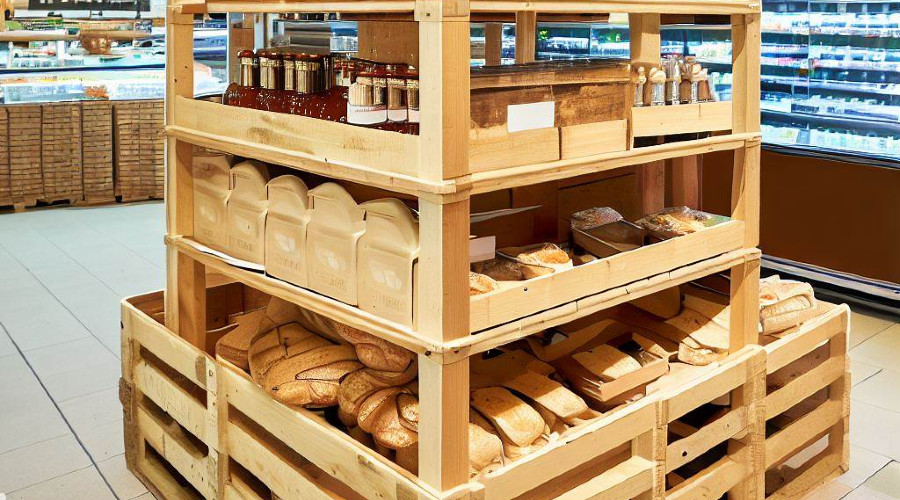
Wooden crate display stand

Wooden Crate Stands – Must-Have for Modern Bakeries

In today’s fast-paced digital world, where chrome finishes and sleek minimalism dominate modern retail design, one trend is quietly making a heartfelt comeback – wooden crate stands in bakeries. Rustic display elements are more than just charming to look at—they carry storytelling potential, emotional resonance, and marketing muscle that can transform how your bakery connects with customers.

You’re launching a boutique pastry shop or rebranding an established bakehouse, embracing the rustic revolution could be your sweetest decision yet. Let’s explore how wooden crate displays can enhance aesthetics, functionality, sustainability, and your brand story.

1. Tapping into nostalgia – emotional power of wooden displays

In an age dominated by sleek modernism, there’s a growing desire to reconnect with the past’s simplicity. Wooden crate stands in bakeries encapsulate this desire, offering a taste of nostalgia that resonates deeply with many customers.

●      Sentimental Appeal: For many, wooden crates evoke memories of farmer’s markets, homemade goods, and simpler times.

●      Example: Consider the artisanal bakeries that emphasize their history, showcasing black and white photographs of family recipes alongside wooden displays.

2. Rustic meets modern – visual contrast that captivates

Beyond nostalgia, wooden crate stands are aesthetically pleasing. They offer a touchable experience that’s visually captivating.

●      Texture & Color: Wood crates’ grain patterns and natural hues can provide a warm contrast to the glossy counters and tiles often found in bakeries.

●      Example: The juxtaposition of freshly baked, colorful macarons against the rustic, raw wood grain can enhance their appeal.

Creating an inviting bakery atmosphere

Ambiance plays an important role in customer experience. Include wooden elements in a bakery setting can craft a welcoming and vivid environment.

●      Holistic experience: Pairing the aroma of fresh bread with the sight of wooden displays can transport customers to a countryside bakery, creating an escape from the urban hustle.

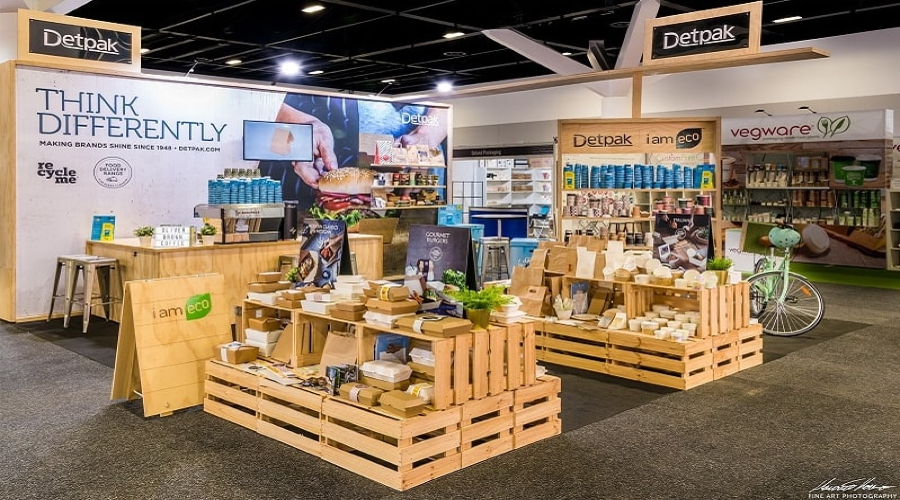
●      Example: Bakeries like “Country Crust” utilize wooden crates for display and as wall shelves and light fixtures, creating an immersive rustic environment.

3. Functionality meets style – smart merchandising with crates

Aesthetics and nostalgia, wooden crate display stands are also lauded for their practical benefits.  They offer durable and versatile merchandising solutions.

●      Space optimization: Crates can be stacked, rotated, and rearranged quickly, allowing for dynamic displays.

●      Example: “Bread & Barrel” uses interlocking wooden crates to design custom display structures for different events and seasons. It ensures their layout remains fresh and engaging.

5. Telling a sustainable brand story

The choice of display materials speaks volumes about a brand’s ethos. Opting for wooden crates can send a strong message about sustainability, craftsmanship, and authenticity. Learn how to promote sustainability with eco-friendly display stands.

●      Sustainable: Wood, especially when reclaimed or sourced responsibly, is a sustainable choice. It signalizes a brand’s commitment to eco-friendliness.

●      Craftsmanship: Handcrafted crates echo the artisanal quality of baked goods, underscoring the skill and care invested in each product.

●      Example: “Green Grain Bakery” integrates its use of wooden crate display stands into its brand story, emphasizing its dedication to organic produce, traditional baking methods, and sustainability.

Elevate your bakery with rustic display stands

In the world of retail, where first impressions can make or break sales, wooden crate display stands offer bakeries a chance to stand out. They encapsulate a blend of nostalgia, beauty, functionality, and brand ethos, crafting an experience as delightful as the baked goods they showcase.

For more insights into a retail display, advertising trends, and brand strategies, refine your palate, and stay tuned to DisplayHype.com.

display stands

Using Wooden Crates to Tell Brand Story

In today’s competitive retail and HoReCa environments, creating a meaningful and memorable customer experience goes beyond the product itself. Visual storytelling through merchandising is more critical than ever.

That’s why at DisplayHype.com, we focus on how every detail of your presentation—from lighting to signage to the display stands you use—can influence perception and drive sales. One increasingly popular method among trend-savvy retailers is using wooden crates as both functional and storytelling elements.

These rustic yet versatile props do more than hold products. They convey brand values, evoke emotions, and enhance in-store aesthetics. In this post, we explore how to use wooden crates effectively to express your brand’s history, values, and uniqueness.

Embrace the authenticity factor

Customers crave authenticity, especially in a marketplace flooded with impersonal mass production. Wooden crates bring an artisanal and natural feel that aligns well with modern values like sustainability, craftsmanship, and simplicity.

Using reclaimed or rustic wood crates reinforces an eco-conscious image, which resonates strongly with environmentally aware consumers. A bakery, for example, can use weathered crates to reflect the handmade quality of its pastries.

A farm-to-table restaurant might use crates with visible wood grains and knots to echo the organic, local ingredients it uses. These subtle visual cues immediately communicate values without a single word.

Tell a visual history

One of the most engaging ways to use wooden crates is to visually tell your brand’s story over time. Consider stacking crates to form a vertical timeline display.

Each tier can represent a key milestone in your brand’s journey – founding year, product evolution, major collaborations, or sustainability milestones. This technique works well in both retail and HoReCa environments, giving customers something to engage with while browsing or waiting.

Check out this 5-tier wooden crate display stand for inspiration. It’s a perfect base for building such a narrative, and the vertical orientation saves floor space while enhancing visibility.

Showcase unique product pairings

Wooden crates make it easy to curate and rotate themed displays that reflect your brand’s creative identity. For example, a specialty coffee shop might use a set of crates to highlight “Barista Picks of the Month,” combining beans, accessories, and brewing guides in one eye-catching space.

Similarly, a wine bar could stage “local vineyard highlights,” pairing bottles with stories, glasses, and matching charcuterie. These setups invite customer exploration and reinforce your brand’s thoughtfulness and expertise.

Leverage seasonal and thematic displays

Seasonal storytelling keeps your retail or dining space fresh and relevant, and wooden crates are ideal for building these rotating narratives. Crates easily adapt to seasons, holidays, or trending themes. In spring, fill them with floral accents and pastel packaging.

In autumn, showcase warm-toned items with cozy textures. Add signage or digital screens nearby to enhance messaging or offer QR codes for recipes, playlists, or behind-the-scenes content. This multi-sensory approach deepens customer engagement and brand recall.

Use personalization to strengthen identity

Branded details make a display feel curated rather than generic. Customize crates with your logo, tagline, or even a custom paint color that matches your brand palette. Better yet, stencil in inspirational messages or fun facts about your brand.

This creates Instagrammable moments and encourages sharing, especially in high-foot-traffic environments. Personalization helps establish emotional connections, fostering brand loyalty.

Combine with digital touchpoints

Blending tactile, rustic elements like wood with modern digital tools is a top retail trend. Pair your wooden crate display with a nearby tablet or screen showing product videos, customer testimonials, or interactive content.

This high-low mix catches attention and bridges the gap between physical charm and digital savvy. You can even integrate NFC tags or QR codes on crate signage, linking to more stories or promotions.

Brand story using wooden crates

Wooden crates are more than just containers. When used creatively, they become storytelling tools that bring your brand’s essence to life.

Whether you’re showcasing products, sharing history, or designing seasonal moments, the right display can transform how customers connect with you. Stay tuned to DisplayHype.com for more visual marketing insights and merchandising strategies designed to elevate your in-store experience.

retail

Future Trends in Retail Merchandising – Mobility and Flexibility

In today’s fast-changing retail world, staying relevant means keeping up with both customer expectations and new tech. As we look to the future, two key trends are standing out: mobility and flexibility.

More and more, retailers are realizing they need adaptable merchandising strategies that let them react quickly to what the market demands. In this article, we’ll dive into these trends and explore how tools like display pallet dollies can make a big difference in retail merchandising.

Shift toward mobility in retail merchandising

When we talk about “mobility” in retail. We’re really talking about making it easy to move things around—whether that’s display setups, individual products, or even entire store sections. This idea is picking up steam as retailers look for ways to create shopping spaces. That are engaging and can be refreshed easily to keep up with customer needs.

The rise of online shopping has reshaped consumer habits, pushing physical stores to work harder to attract and retain customers. Retailers are now focused on ways to bring the ease and personalization of online shopping into the in-store experience. Mobility in merchandising means stores can switch up displays quickly, whether for a new season, a promotional event, or just to respond to what’s selling.

For example, using display pallet dollies, staff can move products around effortlessly. This flexibility is crucial for retailers like IKEA, which uses mobile displays to showcase new items in different sections of the store.

It helps customers “discover” products throughout their visit. Likewise, fashion stores can use these setups to quickly highlight new seasonal looks or special offers, keeping the shopping experience fresh and dynamic.

Why flexibility in retail displays matters

Flexibility in merchandising means having the ability to adjust displays and layouts based on campaigns, seasons, or simply the way customers are moving through the store. As shoppers’ preferences shift, stores that can quickly adapt their displays will have a better chance of staying relevant.

Flexible display setups allow retailers to try new layouts, shift product placements, and set up themed areas that resonate with customers. Take modular display units. For example—these can be rearranged to highlight different product lines or seasonal goods, offering a personalized touch.

Retailers like Target and Walmart are increasingly using flexible displays to keep pace with inventory changes and customer demand. Walmart’s garden center, for instance, can be reconfigured using mobile units, allowing it to focus on high-demand items during peak gardening seasons.

Technology is also a big part of making merchandising more flexible. Digital signage and interactive displays can be updated on the spot to promote different products or deals, helping stores easily switch from one campaign to another and keeping customers engaged.

Display pallet dollies – must-have for mobility and flexibility

Display pallet dollies are quickly becoming essential for retailers focused on mobility and flexibility. These rolling platforms allow staff to move displays, products, and promotional materials around the store with ease, making it much simpler to adjust to new trends or customer needs.

There are a lot of advantages to using display pallet dollies in retail. For one, they reduce the physical strain on employees, making setup and restocking faster and easier.

With sturdy designs, these dollies let staff move even heavy displays efficiently, helping the store stay organized and visually appealing. Display pallet dollies also allow for quick shifts in merchandising.

During a flash sale, for example, staff can easily relocate displays to high-traffic spots, maximizing customer interest. Retailers like Costco and Home Depot rely on these dollies for managing large displays. It ensure they can respond quickly to customer demands.

As retailers lean into omnichannel strategies, display pallet dollies help bridge the gap between in-store and online orders. Staff can quickly move items from storage to the sales floor or prep items for pickup and delivery, which streamlines operations overall.

Data’s role in shaping mobile and flexible merchandising

Data is a game-changer for retailers working to stay agile. By analyzing customer behaviors, sales patterns, and inventory levels, stores can make smarter choices. About how they set up displays and respond to changing market conditions.

Retail analytics tools provide valuable insights that help retailers refine their merchandising strategies. For example, heat maps can show which areas of the store are getting the most foot traffic, helping stores position popular items for maximum visibility.

Predictive analytics also let retailers anticipate demand shifts. For example, a retailer might look at past data to prepare for an uptick in holiday-related purchases. It allows them to strategically display these items ahead of time.

With data as a guide, retailers can create merchandising setups that feel in tune with customer preferences and deliver a better shopping experience.

Looking ahead – other key factors in retail strategy

As retail continues to evolve, mobility and flexibility in merchandising will only become more important. Retailers that embrace these trends—using tools like display pallet dollies and data analytics. Will be in a better position to meet changing demands and boost efficiency. By focusing on adaptable, dynamic merchandising strategies, stores can create environments that keep customers engaged, foster loyalty, and drive sales.

Sustainability: With eco-conscious consumers on the rise, retailers need to consider sustainable merchandising practices, like using eco-friendly displays and reducing waste.

Personalization: Tailoring displays to individual preferences, possibly using customer data, can create a more engaging experience.

Omnichannel Integration: Seamlessly linking online and offline shopping experiences is essential. Retailers should consider ways to make in-store displays align with online promotions.

By prioritizing these factors, retailers can strengthen their merchandising strategies and stay competitive in a marketplace that’s constantly evolving.

pallet dollies

Future Trends in Retail Merchandising – Mobility and Flexibility

The retail landscape is constantly evolving. With consumers now shopping both online and in-store, retailers need to stay adaptable. Mobility and flexibility are key, allowing stores to quickly adjust their setups.

One noticeable trend is the increasing use of display pallet dollies. These handy tools help stores move products around with ease, making it simple to reconfigure layouts based on customer flow or new promotions.

As shopping habits continue to shift, we’ll likely see even more creative merchandising solutions aimed at improving both the customer experience and operational efficiency.

The shift towards omnichannel retailing

In today’s fast-paced retail world, customers are looking for a shopping experience that easily moves between online and in-store. Omnichannel retailing is all about blending these different ways of shopping, so customers can switch between them without a hitch.

For retailers, this means adjusting how they present products. Displays need to be flexible—able to quickly shift from one promotion to the next, whether it’s online or in-store.

For instance, a store might run a social media campaign promoting an event. To make the most of it, they need to get relevant displays ready in the store right away.

Retailers can also react to real-time data, like changing stock levels or customer reviews, to keep displays fresh and timely. This adaptability not only keeps customers happy but also helps increase sales by showcasing the right products at the right time.

Enhancing customer experience through mobility

Mobility in retail is about much more than just shifting products around; it’s about creating spaces that can change and adapt as customers move through them. Mobile displays, for example, allow stores to quickly change their layout, keeping things fresh and interesting.

Pop-up shops or mobile kiosks are great examples—they can be placed in busy areas to grab attention and prompt quick purchases. Technology is playing a big role in this too.

Mobile point-of-sale systems let sales staff help customers anywhere in the store, which means no more long waits at the checkout. This kind of flexibility not only makes shopping more convenient but also improves customer satisfaction, making them more likely to return to the store in the future.

The role of display pallet dollies

As retailers seek more mobility in merchandising, display pallet dollies have become a go-to tool. These simple yet effective devices make it easy to move product displays around the store. With pallet dollies, staff can quickly rearrange displays, bringing seasonal or promotional items to prime spots without much hassle.

For example, a grocery store might roll out a display for a special sale or new product, then easily take it down when the promotion is over. This makes the whole process faster and ensures displays stay fresh and relevant for shoppers.

Pallet dollies are also useful for getting products from storage to the sales floor, making restocking more efficient. Many of these dollies come with useful features like locking wheels and sturdy builds, so products stay safe while being moved.

Sustainability and eco-friendly practices

Sustainability is playing a bigger role in retail merchandising as consumers look for more eco-friendly options. Retailers are adjusting their approaches to reflect this shift, focusing on reducing waste and using sustainable materials.

Mobility and flexibility in displays can help here by allowing stores to use their space and resources more efficiently. Reusable fixtures and modular setups are key examples.

Instead of creating new displays for every promotion, retailers can invest in solutions that are easy to take apart and reuse. This not only cuts down on waste but also saves money by reducing the need to produce new displays for every campaign.

The fashion industry is a good example of this shift. Brands are turning to collapsible and modular display systems made from eco-friendly materials. These setups can be moved around easily and reused for different collections, helping reduce their environmental footprint while still looking visually appealing.

Data-driven merchandising

In today’s data-driven world, retailers are using analytics to fine-tune their merchandising strategies. By studying customer behavior and tracking sales trends, they can make smarter decisions about where to place products and how to design displays. This helps ensure that the items customers are most interested in are highlighted.

For example, a retailer might find that a particular product category sells better during a certain time of year. Using this information, they can set up flexible displays that can be quickly adjusted as customer preferences shift, leading to better sales and more efficient inventory management.

Real-time analytics are also becoming important in merchandising. By monitoring how customers move through the store and interact with displays, retailers can make more informed decisions about future setups, keeping their displays fresh and engaging.

Integrating technology in retail displays

As technology advances, its role in retail displays is growing quickly, bringing more mobility and flexibility to merchandising. Retailers are starting to use tools like digital displays, augmented reality (AR), and interactive kiosks to make shopping more engaging. These technologies allow stores to easily change content, showcasing different products or promotions without much effort.

For instance, a clothing store might use AR so that customers can virtually try on outfits. This not only makes shopping more fun but also helps the store manage inventory without needing to change physical displays constantly.

Additionally, digital signage can be updated instantly to show new promotions or feature best-selling items. This keeps displays fresh and interesting, encouraging shoppers to engage more with the products and explore the store.

The importance of staff training

With mobile and flexible merchandising becoming more common, proper staff training is more important than ever. Retail employees need to understand the tools they’re working with, such as mobile displays and data analytics.

By providing comprehensive training, retailers can ensure their staff can quickly adapt to these new merchandising strategies, which helps improve the overall customer experience. For example, regular workshops can teach staff how to effectively use pallet dollies, mobile point-of-sale systems, and digital displays.

This kind of training not only makes the store run more smoothly but also gives employees a sense of ownership in their work. When staff feel more engaged and confident in using these tools, they’re more motivated to help drive the store’s success.

Adapting to the future of retail merchandising

The future of retail merchandising is clearly being shaped by the growing need for mobility and flexibility. As retailers deal with the challenges of omnichannel shopping and rising customer expectations, being able to adapt quickly is becoming more important than ever.

Tools like display pallet dollies are crucial in this environment, helping retailers create dynamic, customer-friendly shopping experiences. Embracing these trends will not only improve the overall customer experience but also strengthen brand loyalty and boost sales.

As the retail industry continues to evolve, staying ahead of these changes will be key for marketing professionals who want to make an impact in merchandising. By using technology, embracing sustainable practices, and making sure staff are well-trained, retailers can set themselves up for success in a constantly changing retail world.

display pallet dollies colorwood

Display Pallet Dollies Helps With Retail Ergonomics

In the world of retail, maintaining a healthy and efficient workplace is essential for keeping both productivity and employee well-being on track. That’s where ergonomics comes into play—it’s the science of designing spaces and tools that fit the needs of the people using them.

By focusing on ergonomics, we can help reduce physical strain and prevent injuries that often come from repetitive tasks like lifting and bending. One simple yet incredibly effective tool in retail ergonomics is the display pallet dolly.

These dollies make it easier to move heavy items and streamline workflows, transforming the retail environment into a safer and more comfortable place for everyone involved. Let’s dive into why ergonomics is so important in retail and how these pallet dollies make a real difference.

Why ergonomics matter in retail?

If you’ve ever worked in retail, you know that the job often comes with a lot of physical demands. Employees frequently face tasks that can lead to back pain or repetitive strain injuries.

But the effects of poor ergonomics go beyond just physical health; they can also drag down morale, increase absenteeism, and ultimately hurt productivity. That’s why making ergonomic improvements, like incorporating display pallet dollies, is crucial—it helps create a workplace that’s not only safer but also happier and more efficient.

How display pallet dollies help workers?

So, what exactly are display pallet dollies? Think of them as wheeled platforms that make moving goods around a store a breeze.

By cutting down on the need for heavy lifting, these dollies help take the strain off workers. Instead of wrestling with heavy boxes, employees can simply roll them to wherever they need to go. This doesn’t just reduce the risk of injuries; it also speeds up the stocking process, making everything run a little smoother.

Many of these dollies come with user-friendly features like easy-grip handles and swivel wheels, making them easy to maneuver, even in tight spaces. By reducing the physical effort required from workers, these tools contribute to a healthier and more sustainable work environment.

Boosting workflow efficiency

Beyond just improving ergonomics, display pallet dollies can significantly enhance efficiency in retail settings. They make it easier to quickly position merchandise displays, allowing stores to adapt to customer flow and promotional needs on the fly.

For example, during a busy sale, employees can quickly rearrange displays to showcase popular products or clear up space in crowded areas. This not only improves the shopping experience but also lightens the load on employees, who can make adjustments without having to lift heavy items.

Promoting safety and health

Safety is a major concern in retail, where manual handling often leads to injuries. Display pallet dollies help mitigate these risks by reducing the need for manual lifting.

This not only protects employees but also helps retailers avoid the costs associated with workplace injuries, like workers’ compensation claims and lost productivity. Investing in tools like these shows a commitment to employee well-being, which can boost job satisfaction and loyalty.

Imagine a store that equips its staff with pallet dollies and provides training on safe handling techniques. This store isn’t just preventing injuries, it’s also fostering a supportive work environment.

This proactive approach can enhance the store’s reputation as a great place to work, making it easier to attract and retain skilled workers.

Additional benefits of display pallet dollies

Beyond safety and efficiency, display pallet dollies offer other advantages as well. They help keep the store organized and visually appealing by allowing quick adjustments to displays.

This flexibility is especially useful during seasonal promotions or new product launches when being able to quickly change things up can really catch customers’ attention.

Additionally, these dollies can help reduce congestion in the aisles, making it easier for customers to navigate the store. In a busy retail environment, this smooth flow of foot traffic is crucial for maximizing sales opportunities.

Display pallet dollies – smart move to bring

Bringing display pallet dollies into retail operations is a smart move. They not only enhance ergonomics but also improve workflow efficiency and create a safer, healthier workplace.

By reducing the physical strain on workers and making it easier to move goods around, these tools contribute to a more productive and positive retail environment. For those managing retail operations, investing in ergonomic solutions like display pallet dollies is a step toward building a sustainable, employee-friendly workspace.

As the retail industry continues to evolve, prioritizing employee health and well-being will remain key to long-term success.

supermarket layouts boost sales

Optimizing Supermarket Layouts with Strategic Merchandising

Hello again, DisplayHype.com readers! Today we’ll explore the fascinating world of supermarket layouts and their impact on merchandising strategy. It is important for boosting sales, profit and customer satisfaction.

Understanding how to optimize a supermarket layout to facilitate maximum sales is critical. Today’s focus will be on precisely that subject.

The psychology of shopping

The psychology of shopping plays a huge role in influencing customer behavior. Strategic store layout and merchandise placement can lead to increased interaction with products, therefore higher sales.

For instance, most customers move counterclockwise around stores. Customers start their journey on the right side.

By placing new or high-demand products in these areas, retailers can increase their visibility and chance of purchase. Because consumers are more likely to look at eye-level shelves, placing higher-margin items there can boost sales.

Similarly, high foot traffic areas like checkout lines, entrances, and ends of aisles (endcaps) are prime real estate for promoting impulse buys or high-margin items. The layout can influence the pace at which customers move through the store.

Wider aisles typically encourage faster movement. Meanwhile narrower ones promote slower browsing. Remember, it’s not only about the layout but also strategic shelving in supermarket.

Positioning high-margin goods

High-margin items are the essential foundation of a retailer’s profit strategy. Their positioning in the store is critical. By placing these items at eye level, retailers can increase the possibility of selling them.

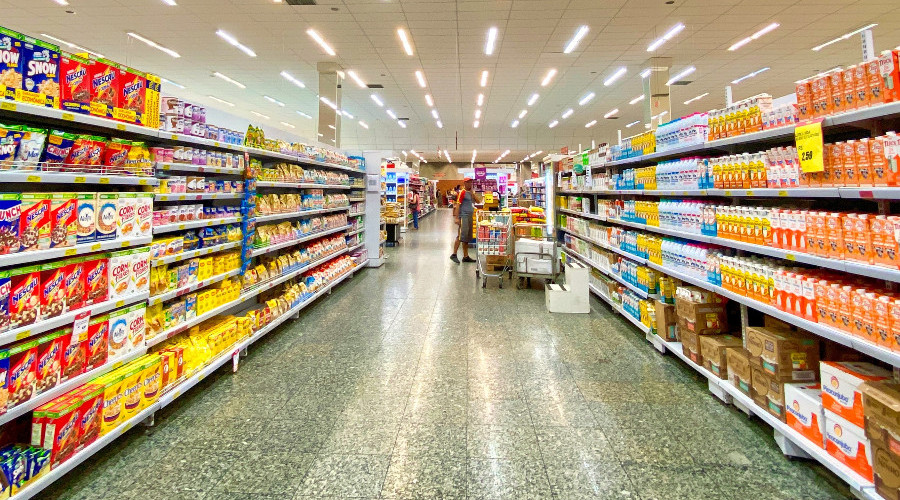
A great example is the cereal aisle. The more expensive, brand-name cereals are often found at eye level. Meanwhile, cheaper or store-brand options are positioned higher or lower on the shelf. It is known as vertical merchandising. It has a notable impact on propelling sales of high-profit items.

Stimulating impulse purchases

Spontaneous purchases are highly contributing to retail profits. These are typically small, inexpensive items that customers don’t necessarily need but might want to purchase spontaneously. Optimizing their placement can significantly increase sales.

Checkout lines are a classic example. It is where retailers place various small, often inexpensive items like candies, magazines, or novelty items. While waiting to pay, customers are more likely to impulse pick up one or two of these items.

Similarly, endcaps and promotional islands are also effective for impulse buys. These areas usually feature seasonal or promotional items that catch customers’ eye and spur unplanned purchases.

Using technology for layout optimization

With technology, retailers can take their layout optimization to a new level. Technologies like heat mapping can help identify high and low-traffic areas in the store. It can be instrumental in strategic product placement.

Data analytics can provide information on:

shopping patterns

customer preferences

the effectiveness of various merchandising approaches.

For instance, data may reveal that a particular endcap display is underperforming in terms of generating sales. Armed with this knowledge, the retailer can promptly adjust and modify the assortment or products being offered to improve results.

Important to keep changing your shop layout

Keeping your supermarket layout fresh is one of those small things that can make a big difference. Changing up the store’s setup every now and then can actually make the shopping experience a lot more interesting for your customers.

When things feel new, people pay more attention—and that often translates into more sales. For example, pallet display stands—those versatile setups for bulk items, seasonal goods, or special promotions—really benefit from a layout that isn’t set in stone.

Keeping customers interested

You know how it is when you walk into a store and everything looks the same as it did last time? It’s easy to just go on autopilot.

But when you shake things up a bit, customers start to notice different parts of the store, maybe even sections they’ve never explored before. This kind of subtle disruption can make shopping feel more like an adventure, which is exactly what you want.

People spend more time looking around, and who knows? They might just end up buying something they didn’t even know they needed.

The power of movable displays

Movable displays, like pallet dollies, are your best friends when it comes to keeping your store flexible. These displays are perfect for those high-margin items or last-minute impulse buys that you want to highlight.

The beauty of them is that they’re easy to move around—no heavy lifting required. This makes it super simple to adjust your layout based on where the foot traffic is, or to spotlight something seasonal or on sale. With these, you can keep your store looking fresh without much hassle.

Boosting impulse buys and smart product placement

When you regularly tweak the layout, it’s not just about keeping things interesting. It’s also a smart way to boost your sales.

Moving products around gives you the chance to put high-margin items or new arrivals in the spotlight—right where customers can’t miss them. And with movable pallet displays, you can experiment with different placements, see what catches people’s attention, and quickly adjust based on what’s working (or what isn’t).

It’s all about staying flexible and responsive to keep your store performing at its best.

Optimizing supermarket layouts

Optimizing supermarket layouts is both an art and a science, blending creativity with strategic analysis. It’s about understanding your customers, their shopping habits, and how to influence their decisions subtly.

By strategically placing high-margin items and impulse buys, using shopping psychology, and leveraging technology, retailers can boost sales and improve customer satisfaction.

Powerful visual hierarchy in a candy store

What is Visual Hierarchy?

One of the main design theories, known as the “visual hierarchy”, concerns how elements are organised to create an impression of value. It changes the way the human eye perceives information in terms of order.

Designers guide the viewer’s gaze by creating a hierarchy that indicates where to look first, where to look next and where to look last. This is crucial in any design work, including visual merchandising, window advertising, websites and posters.

This article provides useful tips and real examples for creating functional and aesthetically pleasing layouts. Those working in graphic design, digital marketing and other areas of visual communication will find it very useful to increase the impact and clarity of their work.

The basis of the visual hierarchy

A variety of design features can be used to create a visual hierarchy, including size, colour, contrast, alignment, repetition, proximity, white space, texture and style.

The basic concepts of visual hierarchy are:

Scale and size: Larger elements will attract more attention. They should be used to convey the most important information. For example, the band name is usually the largest text element in a music concert promotional poster.

Colour and contrast: The eye is drawn to bright or brilliant colours. A call-to-action button in a bold colour will be easy to spot on a website.

Alignment and proximity: objects that are parallel to each other appear connected. For clarity, for example, in a menu, items should be grouped together.

White space: White space can be used to emphasise certain features and create a sense of harmony.

Using the right design elements such as size, colour, alignment and white space can help you create a visually appealing and eye-catching composition.

Visual hierarchy used in advertising

As display advertising is usually only casually viewed by consumers, the aim is often to convey the message in a concise and effective way.

This is how the visual hierarchy works:

Headline: The headline, which conveys the main message, is usually the largest and most visible part.

Images: Relevant, high-quality images can immediately grab attention and convey the message faster than text.

Call to action (CTA): The call to action should include a clear, prominent, stand-out CTA such as ‘Buy now’ or ‘Learn more’.

Brand logo: The logo should not overshadow the main message, even if it is very important for brand awareness. For this reason, it is usually smaller and placed in a less prominent advertising position.

For example, an advertising headline introducing a new product can be the largest element of a display ad. This would be followed by an eye-catching product image, a smaller sub-headline with additional information and a CTA button in bold colour.

Visual hierarchy in visual merchandising

In visual merchandising, whether it’s a store layout or a window display, visual hierarchy helps guide the customer’s journey.

Window displays: The most eye-catching item, often the latest or most unique product, should be the focal point. This attracts customers. The other components should be listed in descending order of importance.

Store layout: Products that are most important to customers should be placed at eye level and in the most accessible route.

Signage: Smaller signage for individual items or lower priority items, larger signage for departments or high priority items.

For example, a clothing company may display the latest season’s assortment at the top of its window. Best-selling or high-margin items may be displayed at eye level inside the store, while sale items may be at the back of the store.

The structure of images in user experience (UX)

Visual hierarchy is a key aspect of user experience (UX) design. Good UX design relies heavily on visual hierarchy to be able to guide customers through the information flow and ensure a smooth and natural interaction with the product.

Eases navigation

A well thought-out visual hierarchy can make navigation easier. Users should be able to easily determine where to click next or where to look for certain content when reading a web page.

This can be done by creating a hierarchy that improves the flow of information on the page and directs the user’s gaze in the right directions. For example, web pages display the main content first, followed by the main navigation menu, the logo and the footer.

Improving readability

Readability is a fundamental part of user experience, and visual hierarchy contributes significantly to it. With the right use of typography—size, typeface, color, line spacing, etc.—important content can be highlighted.

It makes it easier for users to scan through the text and find the information they need. The typographical hierarchy, designed to promote readability, includes headings, subheadings, paragraphs and captions.

User behaviour management

The visual hierarchy of design also influences user interaction. Links and buttons that prompt users to perform actions (CTAs) should be clearly visible. This way, users understand where to click to perform specific tasks. For example, to draw users’ attention to the sign-in button, it can be placed larger and coloured better.

Improving the content structure

A well-designed visual hierarchy gives content an organisational structure by breaking it down into clear sections and arranging them in a logical sequence. This could include grouping related content and identifying individual sections using grids, spacing and alignment.

Reducing mental burden

A high visual hierarchy reduces the cognitive load of users. Instead of presenting a lot of information at once, designers can use visual hierarchy to convey information in order of importance. This makes the user interface easier to use and less intimidating.

UX design examples

The Google search results page is a great example of an effective visual hierarchy for UX design. The search bar stands out the most. The search results appear next, which are further organised with the URL in a smaller style and the page title in a larger style.

Less contrasting colours should be used, advertisements and other irrelevant data should be placed in the margin. Overall, the visual hierarchy greatly improves the user experience.

Designers can create interfaces that are not only aesthetically pleasing. But also successfully help users achieve their goals by carefully arranging and emphasising specific functions.

Visual hierarchy – fundamental principle in design

Visual hierarchy is a fundamental principle in design that plays a crucial role in how effectively we communicate our messages. That way you can draw the audience’s attention to the most important elements first. It ensures that the intended message delivers appropriately. When choosing what to display in an online shop, what product to place online or what message to emphasise in an advertisement, the visual merchandising will be crucial. Mastering it will, therefore, help any designer or marketer to become more successful in their work.If you found this article helpful, you might want to check out this blog – Key Principles for Eye-Catching Design. There you will find more information about the importance of visuals and the principles that makes furniture eye-catching.

vendor display stands

How to Design Eye-Catching Vendor Display Stands

In today’s crowded retail world, getting noticed is tougher than ever. But there’s a trick to standing out—creating vendor display stands that are not just visually appealing but also true to your brand.

Whether it’s a mobile pallet display stand or something more traditional. The goal is the same – draw people in, tell your brand’s story, and make shopping a little more fun. Check out another article – Innovative Ideas for Using Table Talkers in Cafe

Why looks matter?

Let’s be real—first impressions count, especially in retail. In a sea of products, your display needs to grab attention right away. This is where smart use of colors, layouts, and eye-catching visuals comes in.

When done right, these elements can turn a casual browser into a customer. And if you’re using something flexible like mobile pallet display stands, you’ve got the added bonus of being able to move things around to keep the shopping experience fresh.

First impressions

To get a customer interested, you’ve got to catch their eye first. A well-thought-out display can do that job silently, inviting shoppers to come closer and explore.

The more attractive your setup, the better the chance they’ll stop and take a look. Mobile pallet display stands are great for this because you can place them in high-traffic spots, ensuring they get noticed.

Creating a shopping experience

A good vendor display does more than just look nice—it makes shopping an experience. With online shopping being so convenient, physical stores need to offer something extra.

A visually interesting display can create a sense of discovery, making shopping in person more enjoyable. And since mobile pallet display stands can be moved and rearranged, they help keep your store layout exciting for repeat customers.

Key design tips

Designing a standout display means thinking about where it goes, what it looks like, and how well it represents your brand. Here are some simple tips to keep in mind:

1. Keep it simple

When it comes to display design, less is often more. A clean, straightforward setup lets customers quickly see what you’re offering without feeling overwhelmed.

This is especially important for mobile pallet display stands, where simplicity makes them easier to move and set up.

2. Use the rule of three

There’s a reason designers love the rule of three—things grouped in odd numbers just seem to look better. You can use this trick in your display by arranging products or visual elements in groups of three.

It’s a simple way to make your setup more appealing, particularly with mobile pallet display stands.

3. Balance and proportion

Balance is key in any design, and your vendor display is no different. Think about how the size and placement of products and design elements work together.

A balanced display is naturally pleasing to the eye and will draw people in. The good news is that mobile pallet display stands are pretty flexible, so you can easily adjust them to keep everything looking just right.

Brand identity is key

Your display should scream your brands identity—through colors, fonts, and images that tell your story.

Colors

Colors have a big impact on how people feel. Picking a color scheme that matches your brand can help create a strong visual identity and set the right mood for your shoppers.

With mobile pallet display stands, you can easily customize them with your brand’s colors, keeping everything consistent.

Typography

The font you choose speaks volumes about your brand. Whether you go for something bold and big or delicate and cursive, make sure it matches your brand’s personality.

Using your brand’s typography on mobile pallet display stands helps reinforce your brand’s look and feel.

Imagery

Images can say a lot about your brand. Whether it’s product photos, lifestyle shots, or abstract designs, the imagery should connect with your audience.

And with mobile pallet display stands, you’ve got the option to switch out images as often as you like, keeping things fresh and relevant.

Brands that get it right

Some brands really know how to create a great vendor display:

Apple: Apple’s minimalist displays are all about simplicity, focusing on the product with lots of clean, white space.

Lush: Lush Cosmetics goes bold with colors and visuals, creating vibrant displays that encourage customers to touch and explore.

Anthropologie: Anthropologie is known for its creative, often handmade displays that tell a story and spark curiosity.

Getting interactive

Adding interactive elements or tech to your display is a great way to engage customers even more.

Interactive elements

Interactive displays invite customers to get hands-on with your products. Whether it’s a “try me” sign or a demo area, these elements can make the shopping experience more engaging.

Mobile pallet display stands work well for creating these interactive zones, giving you the flexibility to move them around as needed.

Digital technology

Incorporating digital technology into your vendor display stands can elevate the shopping experience. Whether it’s a touch screen, digital price tags, or even augmented reality, these features can provide extra product info or create an immersive experience.

Mobile pallet display stands with digital screens are a versatile option for delivering this kind of dynamic content.

Final thoughts

Designing eye-catching vendor display stands—especially mobile pallet display stands—is all about creativity, functionality, and staying true to your brand. A great display doesn’t just look good—it tells your story, enhances the shopping experience, and ultimately boosts sales.

So, think of your display as a silent salesperson, one that should be just as convincing as your best pitch!

For more tips and ideas on how to create effective vendor displays and boost your store’s revenue, check out our other articles. They’re full of insights to help you make the most of your retail space.

outdoor menu display stand variants

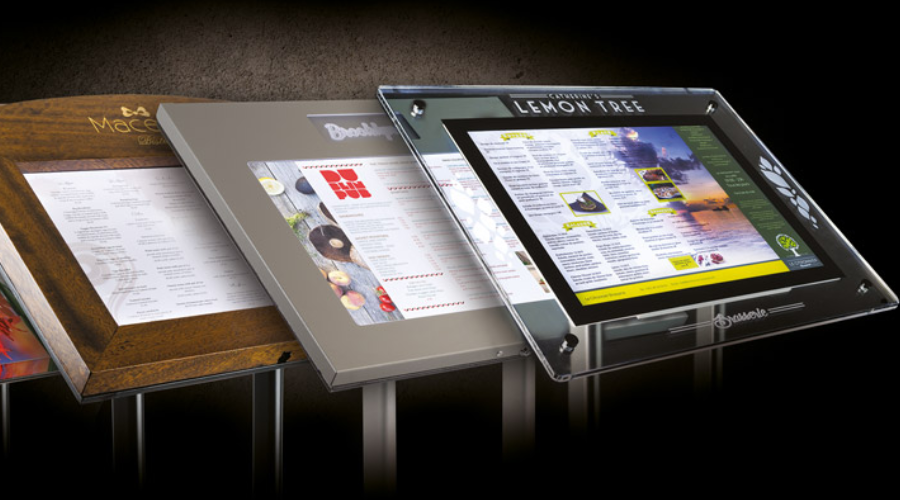
Maximizing Effectiveness of Outdoor Menu Display Stands

Attracting customers can be a challenge for a business owner on a busy retail shelving route. Your outdoor menu stand is one of your most powerful weapons. The purpose of these stands is simple – to tell people about what you have to offer.

But how you arrange and display them can make a big difference to how successful they are. In this article, we’ll take you through the different ways you can use your outdoor menu boards to make sure they attract customers.

Balancing aesthetics and readability

The key balance to strike is to create a menu that is attractive but at the same time readable. While aesthetics can attract customers, if your menu is difficult to understand, they may quickly get bored.Consider how your brand is reflected in the design while assessing aesthetics. To achieve a unified look, use your logo and brand colors. Be sure, nonetheless, that these elements don’t detract from reading. Make sure the text and background have a strong contrast and use readable typefaces. For better visibility, try using black text on a white backdrop or white text on a dark background.

The power of color psychology

Colors evoke emotions and can subtly influence a person’s choices. Knowing the psychology of color will help you create a more appealing and impactful menu.

Fast food companies often use colors such as red and yellow because studies have shown that these colors increase hunger. In contrast, green can symbolize health and freshness, which is great for salad bars and vegan eateries.

But keep in mind that colors should complement your brand’s overall aesthetic. For example, the well-known ice cream company Baskin-Robbins reflects its happy and trustworthy brand image by combining pink (young and cheerful) and blue (reliable and trustworthy).

Harnessing typography

Typography is another critical factor. The right typeface can communicate much about your business while enhancing readability.

If you’re running a classic Italian restaurant, a traditional Serif font may be a good fit, evoking a sense of tradition and elegance. If you’re operating a modern, trendy juice bar, a sleek, minimalist Sans Serif font could better reflect your brand. For instance, the logo of “Juice Press,” a popular organic food and beverage retailer, uses a modern sans-serif typeface that communicates a contemporary and clean feel.

Here are some more examples that illustrate the power of typeface choices:

Starbucks: The Starbucks logo uses a custom-designed typeface, but it closely resembles the style of a Serif typeface. The typography conveys a sense of authority and tradition yet remains stylish and contemporary.

McDonald’s: McDonald’s uses a customized version of Helvetica, a popular Sans Serif typeface known for its simplicity and readability. It mirrors the brand’s image of being straightforward, accessible, and universally recognizable.

Chipotle Mexican Grill: Chipotle uses a slightly rustic and bold Serif typeface, which reflects their commitment to traditional cooking methods and high-quality ingredients.

Subway: The sans-serif typeface used in the Subway logo is modern, clean and casual. It’s easy to read and simple, in keeping with the brand’s uncomplicated and healthy offerings.

Taco Bell: Taco Bell’s distinctive, bold sans-serif typeface perfectly reflects their vibrant, young and inventive brand. The simplicity of the font further enhances readability.

Burger King: The Burger King logo uses a specially designed bubble serif font. The pleasant, approachable atmosphere of the rounded, playful typefaces perfectly suits their target audience – young people and families.

Each of these companies has used a carefully selected typography to improve readability, connect with their target audience and tell their brand story.

Mastering visual hierarchy

The arrangement and presentation of objects in a visual hierarchy creates a sense of importance. By doing so, you can draw the customer’s attention and attract attention to the best items on your menu.The name of your organization, which should be the largest lettering on the stand, should be the main headline. Next, include high-margin or branded items. Use larger font sizes or bold colors to attract attention. Arrange and group the other items to make them easier to read. One such example is the Steak n Shake menu. Signature dishes such as the ‘Original Steakburger’ are visually striking and the headline is large.

The art of positioning

Once the menu design is perfect, the next difficult task is its placement. The aim is to place the stand where it is most likely to attract attention.

Too far a distance from the footpath can make the stand invisible, while too far a distance can make it difficult for people to walk. Position the stand so that passers-by and others looking from a distance can easily see it. Take into account the direction of sunlight to avoid glare, which can make it difficult to read the menu at peak times.

Leveraging local trends and culture

Using regional customs and trends can take your menu design to a whole new level. By connecting with the local market, businesses can make their offer more attractive and appealing to potential customers.

Local trends can include everything from health fads to popular local foods, tastes in specific cuisine regions to favorite ways to eat. Observing these trends can provide you with valuable information that will help you create a menu that will appeal to your target market.

For example, offering and emphasizing vegan, gluten-free or low-calorie alternatives can increase the appeal of your business if it is located in a region with a highly health-conscious population. If a particular cuisine or locally grown product is popular in your community, serving it will attract more consumers.

Cultural preferences

However, cultural tastes can add a special touch to the look of your menu. Your menu stands out if you incorporate cultural elements into the design, especially if your establishment is located in an area with a strong sense of identity.

Chinese-inspired design elements such as traditional Chinese symbols, colors (red and gold for good luck and prosperity) or even stylized images of popular Chinese dishes can add to the appeal of your menu. Especially in a place like San Francisco where there is a significant Chinatown district.

But it is very important to do so honestly and with understanding, as deception can cause a backlash. Instead of copying local customs and culture, the aim is to respect and enjoy them. Remember that the aim is to promote local customs and flavors not only in the menu on offer, but also in the design of your outdoor food stall.

A menu stand that reflects the spirit of the neighborhood and is in line with current trends can attract interest. Capture attention and entice customers to stop and use your goods.

Testing and refining your display stand

Testing multiple versions and making changes in response to feedback is one of the best ways to optimize the display stand’s capabilities. Find out which menu layout, style and color scheme attracts the most customers.

If possible, get feedback from customers to find out which aspects of the display stand they find most attractive or interesting. Your outdoor menu stand will be effective and will continue to generate interest and engagement from visitors through this ongoing process of testing and refinement.

Create an effective outdoor menu board

Overall, both consumer psychology and design elements need to be carefully considered in order to create an effective outdoor menu board. Each element is crucial to make your presentation stand out.

From the psychology of color, typography, visual hierarchy and thoughtful use of layout to finding the perfect balance between readability and aesthetics. Bear in mind, however, that the optimal strategy may vary depending on the target audience and local conditions, so constant testing, learning and refinement should be an essential part of your approach.

android tv digital signage

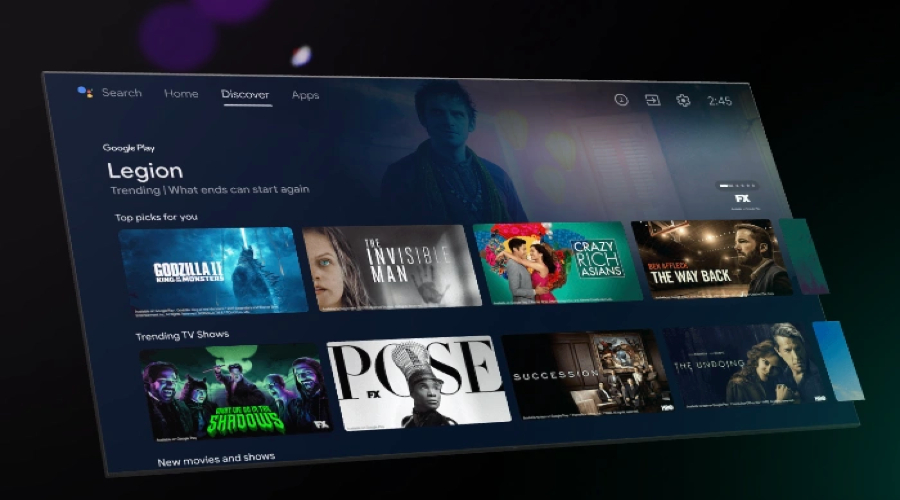
Creative Possibilities with Android TV Digital Signage

Companies are always looking for new and creative ways to engage their audiences in this age of digital transformation. With the diverse digital signage possibilities offered by Android TV, businesses can create dynamic, vibrant displays that inform and engage audiences.

In this article, we will look at how businesses can use Android TV’s features for digital signage.

Crafting visually appealing displays

One of the first steps to effective digital signage is to create visually appealing displays. Android TV supports high-resolution material, which allows you to create bright, clear and highly detailed displays. This tool allows businesses to showcase visually stunning and high-quality photos and videos.

For example, a retail business can showcase its products in high-definition clarity to attract more customers. A restaurant can show images of food melting in the mouth to whet customers’ appetites. When designing displays, never forget the importance of considering your brand’s aesthetics. Use typefaces and colors that are representative of your brand and try to create the same ‘feel’ that it does.

Integrating multimedia content

Digital signage can be made more dynamic and attractive by combining it with other media. Android TV supports many types of media, including photos, videos, web content and live broadcasts. You can include different media formats to make your content more interesting and engaging.

For example, fitness centre digital signage can show real-time class schedules, inspirational quotes, workout videos and wellness tips. Films, slideshows, live news feeds and interactive polls are some types of corporate office displays.

With multimedia content, you can address a wide range of audience interests and preferences and engage them on multiple levels. In addition, it enhances the visual appeal of your digital signage.

Utilizing real-time updates

Updating the content of the digital signage is essential to maintain the interest of viewers while providing relevant and timely information. With Android TV, you can access real-time updates to ensure your content is up-to-date. This can include showing real-time data from your company’s social media channels, or even live news or weather updates.

For example, a hotel can show live visitor reviews, weather forecasts for well-known tourist locations and real-time room availability. Conversely, a retail business may show instant sales offers or real-time stock levels to create a sense of urgency and encourage purchases.

Providing real-time updates improves your audience’s experience and perception of your business by giving them up-to-date and relevant information while keeping your content fresh.

Eye-catching and fashionable digital signage

With Android TV, businesses can create vibrant, eye-catching and fashionable digital signage thanks to the many creative possibilities. With real-time updates, a variety of media and eye-catching images, businesses can create digital signage that truly engages and resonates with audiences.

In an increasingly digital world, making the most of these opportunities can set your business apart and give you a major competitive advantage. If you enjoyed reading this post, don’t forget to visit DisplayHype.com for more tips on branding, merchandising and advertising.

TVs displays

TVs Displays for Advertising Screens

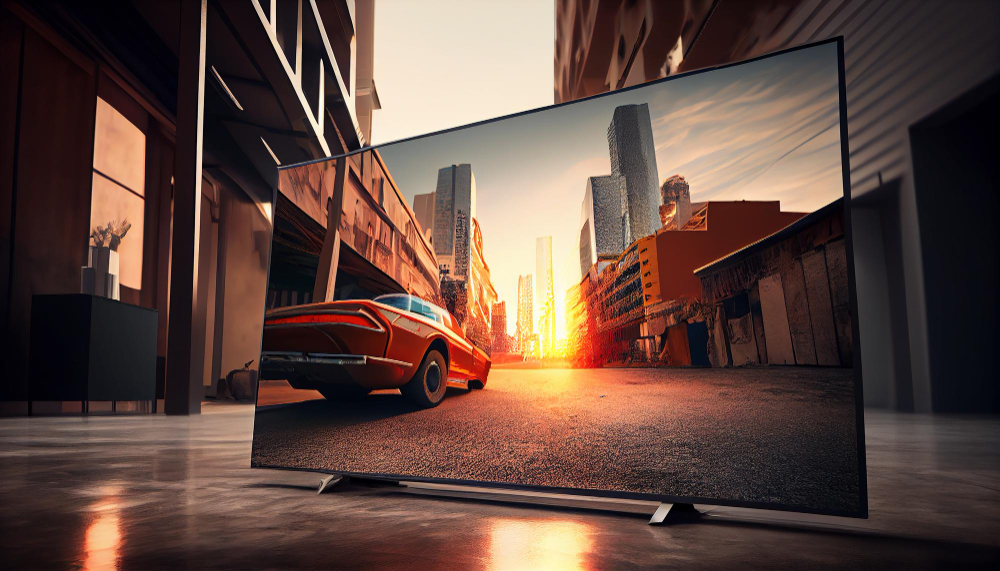
In an age where digital advertising has taken center stage, TVs displays as advertising screens have become a powerful tool for businesses. So they offer a dynamic and engaging way to showcase products and services, especially in public places and high-traffic dining establishments.

Understanding the shift towards more interactive and visually appealing advertising methods. In this article provides an in-depth insight into the features needed to use TVs displays as practical advertising tools.

We will look at the best TV models that excel in this role, each with unique features to suit different advertising needs. And in addition, we’ll delve into the latest trends in promotional displays, offering insights that resonate with tech-savvy audience.

Functionality requirements for advertising TVs displays

When choosing a TV set for advertising purposes, consider the following essential features:

High brightness and contrast: Screens should be bright enough to be visible in various lighting conditions. A high contrast ratio ensures content stands out, making it more visible to the audience.

Durability and reliability: These TVs displays often run for extended periods, sometimes 24 hours a day, seven days a week. But they must, therefore, be designed to withstand continuous use without compromising performance.

Connectivity: Modern promotional TVs should have multiple connectivity options, including HDMI, USB, and Wi-Fi, allowing easy content updating and integration with different content management systems.

Flexible display options: So businesses should look for TVs with flexible display settings such as portrait or landscape orientation, split-screen options, and customizable layouts to suit different content types and spaces.

Remote management: TVs with remote management capabilities allow businesses to update and control content from a central location, improving operational efficiency.

Understanding these key features will help you choose a TV that displays your content and enhances its impact on your audience.

Top TVs displays models for advertising screens

Here’s a closer look at some of the best TV digital display menu models for advertising, for example:

Samsung QLED series: These TVs feature Quantum Dot technology for outstanding color accuracy and high brightness levels. They are ideal for bright, intensely lit rooms to attract attention in well-lit environments.

LG OLED series: LG OLED TVs are renowned for their deep blacks and infinite contrast, ensuring that content stands out even in dark environments. Wide viewing angles make them suitable for spaces where viewers are spread out.

Sony Bravia LED Series TVs: With Sony’s reputation for reliability and outstanding picture quality, their Bravia LED Series is the perfect choice for long-lasting use in public spaces. Their X-Reality PRO enhances every pixel to ensure clarity.

TCL Roku TV: TCL Roku TVs offer an outstanding balance between quality and affordability for businesses on a budget. Thanks to the integrated Roku platform, content management is simple and user-friendly.

Each model offers unique benefits, allowing businesses to choose based on their specific advertising objectives and budget constraints.

Trending in advertising TVs displays

Interactive and intelligent features are at the forefront of advertising display trends 2024. Here are some highlights:

Touchscreen capabilities: Touchscreen TVs displays are becoming more common, enabling interactive ads where customers can engage directly with the content.

Motion sensors and facial recognition: These features allow the display to change content based on audience engagement or demographics. Providing a more personalized advertising experience.

AI-driven content management: AI algorithms can analyze customer data and automatically adjust advertising content to target specific audiences. Increasing the effectiveness of marketing campaigns.

Incorporating these trends can create more engaging and impactful advertising experiences. Allowing companies to stay at the forefront of digital marketing innovation.

Stepping into a new era of digital advertising

However, with the development of digital display technology. It is becoming essential for companies to choose the correct TV set for their advertising. But from the high-end Samsung QLED to the budget-friendly TCL Roku TV. Each model offers unique features to suit different advertising needs.

So using these technologies raises the profile of your products and services and engages customers in new and exciting ways. For more comprehensive guidance on choosing technology. Visit our detailed guide on choosing a PC, and for caterers, check out the innovative menu options of digital displays.

Stay informed and updated with displayhype.com is your trusted source for the latest technology, computers, and phones.

Please check out these articles too:

Maximizing the Effectiveness of Outdoor Menu Display Stands

Immersive Brand Experience with Showroom Display Stands

solar battery kiosk

Mobile Phone Charging Kiosks: Harnessing Solar Power for Modern Convenience

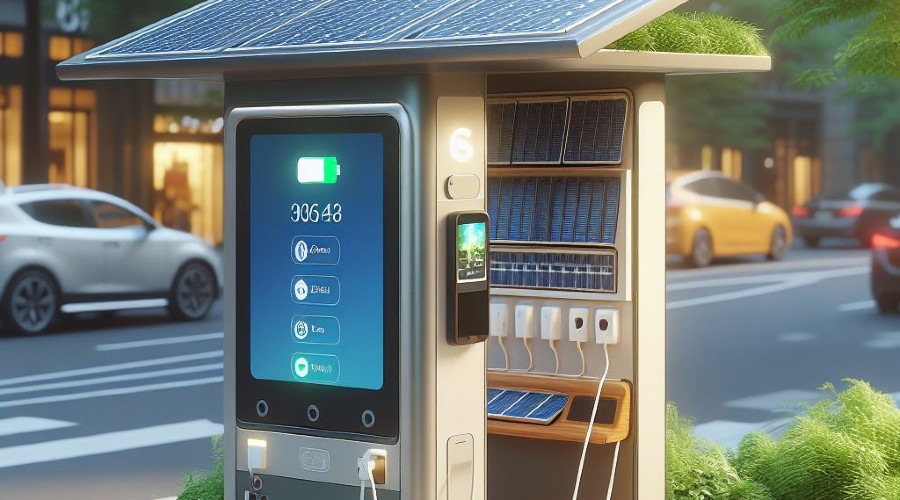
Imagine strolling through a bustling city, and your smartphone’s battery is running low. Rather than searching for an elusive power outlet, you stumble upon a sleek kiosk adorned with solar panels. Solar-powered kiosks provide a quick power boost and do so sustainably.

In this article, we’ll explore what these solar-powered kiosks are, why they’re on the rise, their technological underpinnings, and their standout features.

The rise of solar-powered charging kiosks

As environmental consciousness grows, the demand for sustainable solutions is rising. Solar-powered charging kiosks epitomize this trend by harnessing the sun’s energy to keep our devices charged. They offer a convenient way to recharge on the go while reducing our carbon footprint.

Solar charging kiosks have high-efficiency solar panels that convert sunlight into electricity. This clean energy is stored in batteries for later use. It ensures a continuous power supply even during cloudy days or nighttime.

Standout Features:

Environmentally Friendly: Solar charging kiosks reduce reliance on non-renewable energy sources, contributing to a greener planet.

Accessible Locations: These kiosks are strategically placed in high-traffic areas like parks, airports, and shopping centers, providing easy access to charging facilities.

User-Friendly: Most solar-powered kiosks offer various charging connectors, accommodating multiple devices, including smartphones, tablets, and laptops.

How solar-powered charging kiosks work

Solar charging kiosks are a marvel of technology, blending solar power generation, energy storage, and user-friendly design.

Here’s a simplified breakdown of how they work:

Solar Panels: Photovoltaic panels capture sunlight and convert it into electricity.

Energy Storage: Energy generated by the solar panels is stored in batteries, ensuring a constant power supply.

Charging Ports: Kiosks have various charging ports and cables to accommodate different device types.

User Interaction: Users can plug in their devices, select the desired charging option, and monitor the charging progress.

Standout Features:

Quick Charging: Solar kiosks offer fast charging to minimize user waiting times.

Remote Monitoring: Operators can remotely monitor the kiosk’s performance, ensuring it’s always in working order.

Advertising Opportunities: Some kiosks incorporate digital screens for advertising, making them financially sustainable for businesses.

Examples and applications

Solar-powered mobile phone charging kiosks are making their mark across the globe. In New York City’s parks, sleek kiosks provide eco-friendly phone charging options to park-goers. In London, the iconic red phone booths are transformed into solar charging stations. That way they preserve the historic charm while embracing modern technology.

These kiosks are typically connected to a central network for efficient management and monitoring. Operators can track usage, troubleshoot issues, and even schedule maintenance remotely.

Smart charging and IoT integration

As technology advances, solar-powered charging kiosks become smarter and more integrated with the Internet of Things (IoT). Smart kiosks can offer personalized charging experiences, allow users to make payments, and provide valuable data insights to operators for improved efficiency.

IoT-enabled solar kiosks can collect data on user behavior, energy generation, and even environmental conditions. This data is helpful to optimize kiosk placement and functionality.

In conclusion

Solar-powered mobile phone charging kiosks represent a harmonious mix of technology and sustainability. They offer a practical solution to our ever-present need for power while reducing our environmental impact. As the world continues to embrace renewable energy sources, these kiosks are poised to become even more prominent in our daily lives.

So, the next time you’re out and about, watch these innovative charging stations, and make the most of the sun’s energy to keep your devices powered up sustainably.