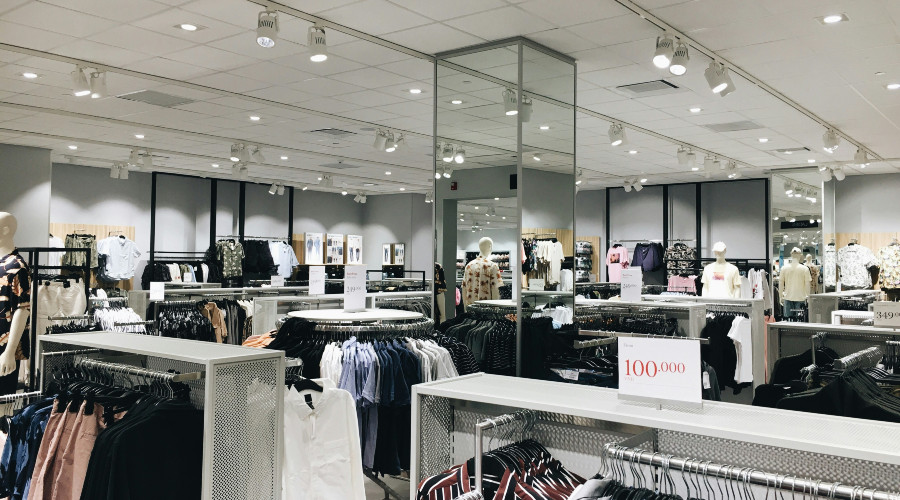
fashion shop store

How to Set Up a Fashion Shop Efficiently

When it comes to fashion, presentation is everything. Setting up a fashion shop efficiently requires careful consideration of marketing furniture and fixtures. These elements enhance the shopping experience and play a critical role in brand awareness and driving sales.

Previously we discussed displaying designer bags. In this article, we’ll take things further. Let’s explore the essential marketing furniture for fashion shops, highlighting their importance and offering suggestions on choosing the best options.

Creating the perfect fashion retail space

Before we delve into the specifics of marketing furniture, let’s understand why this topic is relevant to our readers. Your retail space is an extension of your brand and is pivotal in shaping the customer’s perception. 

Setting up your fashion shop efficiently can increase foot traffic, increase conversion rates, and create a loyal customer base. Now, let’s explore the essential elements of an efficient fashion retail space.

Showroom display stands for a fashion shop

Showroom display stands are the unsung heroes of fashion retail. They showcase your merchandise, highlight featured products, and organize your store. Their versatility allows for creative visual merchandising.

Look for display stands that match your brand’s aesthetic and offer flexibility. Consider options like adjustable heights and shelves to accommodate different types of clothing.

Shelving and storage

Efficient storage and shelving keep your inventory organized and easily accessible. They also create an inviting shopping environment by reducing clutter and helping customers find what they want.

Opt for shelves that are durable, adjustable, and aesthetically pleasing. Consider open shelving for a modern, boutique feel or closed storage for a sleek, minimalist look.

Counters and checkout stations

Counters and checkout stations are the final touchpoints in a customer’s shopping journey. They should be welcoming and efficient. So the checkout process is smooth and memorable.

Select counters that align with your brand’s style. Incorporate elements like cash wraps, display cases, and secure storage for a seamless checkout experience.

Window displays

Window displays are your storefront’s first impression. They should grab the attention of passersby, convey your brand’s identity, and entice them to step inside.

Rotate your window displays regularly to keep them fresh and aligned with seasonal trends. Incorporate creative lighting and props to make your displays stand out.

Digital signage

Digital signage adds a dynamic element to your store. It can showcase promotions, new arrivals, and lifestyle imagery that resonates with your target audience.

Invest in high-resolution displays with user-friendly content management systems. Keep the content relevant and regularly updated to maintain customer engagement.

Lighting

Lighting sets the mood and improves the overall shopping experience. It can highlight key areas, and products to create a welcoming ambiance.

Try out different types of lighting, such as ambient, task, and accent lighting. LED lighting is energy-efficient and versatile. It allows ou to create various atmospheres.

Latest trends

For fashion-forward readers, staying updated on the latest trends is essential. One trendy approach is incorporating sustainable and eco-friendly materials into your marketing furniture and fixtures. Customers are increasingly conscious of the environment; eco-friendly choices can enhance your brand’s reputation.

In conclusion

Efficiently setting up a fashion shop is a mix of art and strategy. The right marketing furniture and fixtures can transform your space into a vibrant, inviting, and sales-driving environment. As you embark on this journey, remember that every choice you make reflects your brand’s personality and values.

So, embrace these ideas, tailor them to your unique style, and watch your fashion shop flourish as it captures the hearts and wallets of discerning shoppers.
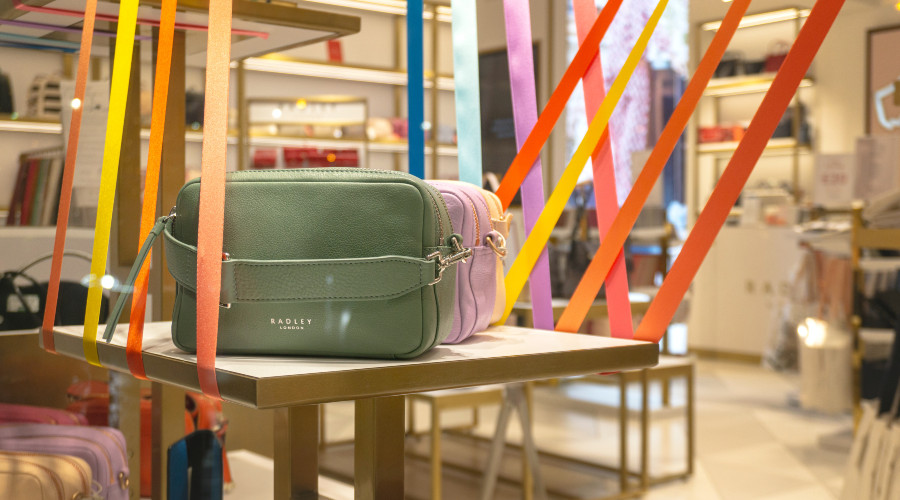

displaying bags

The Elegance of Displaying Designer Bags

The luxurious allure of a designer handbag isn’t just in its craftsmanship or brand prestige. It’s in the way it’s presented. Much like artwork in a museum, the right bag display can amplify their desirability and perceived value.

Previously we discussed table top display stands for boutique space. Now it’s time to delve into the world of product displays tailored for the exclusive designer handbag sector. For retailers, especially those in the high-end spectrum, display choice is crucial.

The role of presentation

Every designer handbag is a piece of art. Thus, how it is showcased must not only protect its integrity but also augment its appeal. It’s not just about being functional. It’s about creating a visual narrative.

Functional aspects:

Protects bags from potential damage and ensures easy access for staff and customers.

Aesthetic aspects:

Enhances the beauty of the bag.

Showcases its unique features.

Aligns with the store’s overall theme.

Choosing the right bag display stand

When walking into a store, the first impression often lasts. This impression isn’t just shaped by the products on offer. It also matters how they’re displayed. A thoughtfully chosen display stand can elevate the inherent beauty of designer bags, providing both a practical and aesthetically pleasing platform for them.

Options to consider:

Freestanding displays: Ideal for showcasing a collection or a particular brand’s range.

Shelved displays: Perfect for a varied collection, allowing bags to sit side by side without overcrowding.

Wall-Mounted racks: A space-saver and a visually appealing option for limited spaces.

For a more in-depth look, consider visiting bag display stand for specific designs tailored to your needs.

Lighting

Lighting isn’t just about visibility. It’s an art form. The right kind of lighting can create moods, emphasize details, and even influence purchasing decisions. When combined with a perfect bag display, it plays an integral role in showcasing the true beauty and craftsmanship of designer bags.

Best lighting for bags:

Focused spotlights: Ideal for highlighting textures, colors, and intricate details of each bag.

Ambient lighting: Softens the overall ambiance of the store, making shopping a relaxed experience.

Bag display costs

Investing in your store’s display and ambiance is as critical as curating your products. Yes, it’s important to ensure the display resonates with the luxury and elegance of designer bags. But it’s equally important to balance quality and budget to achieve an optimal return on investment.

Display stands and racks: Prices can range from a few hundred to thousands, depending on material and craftsmanship.

Lighting: Depending on the type and brand, lighting setups can range from affordable to high-end.

Latest trends

With evolving design aesthetics and technological advancements, the realm of product displays is constantly adapting.

From sustainable materials to interactive displays, the world of handbag showcases is getting a trendy makeover.

Conclusion

At the heart of every successful designer handbag shop is the unsung hero: the display stand. While the handbags are the stars, it’s the stage they’re set upon that truly makes them shine.

Whether you’re an enthusiast browsing through clothing or a retailer setting up shop, understanding the interplay between product and presentation is essential. Explore, invest wisely, and watch as the world is drawn to the allure behind your display.

Don’t forget to read our other articles:

Maximizing Space and Sales Gondola Display Stands

Immersive Brand Experience with Showroom Display Stands

fridge displays

Do Fridge Displays Improve Drinks Sales?

As the evening sun dips below the horizon and the world cools down, imagine walking to your favorite local café. As you push the door open, a blast of cool air hits you, and your gaze is immediately drawn to luminous fridge displays showcasing a mosaic of colorful beverages.

It’s almost like a silent invitation urging you to quench your thirst. But behind this luminescent attraction lies a question that few ponder: do these eye-catching fridge displays genuinely influence sales? Or are they merely ornamental? We will dive deep into the cold and refreshing world of drink displays.

The allure of visual appeal

Before diving into the numbers, let’s embrace the art behind these fridges. Humans are visually driven creatures, and businesses have known this for years. For example, by using the principle of visual hierarchy, business can control how customers notice their products.

Please close your eyes and think back to the last time you were irresistibly drawn to a product, not because you needed it but because it looked so darn appealing. In the fast-paced world of consumerism, where hundreds of brands vie for a sliver of our attention, the visual allure is no longer a luxury. It’s a necessity. Let’s learn how a simple fridge plays a much more significant role than it seems. 

An attractively organized fridge display doesn’t just keep drinks cold. It’s a silent salesperson, highlighting the colors, labels, and sometimes even the effervescence of the drinks inside. The logic is simple: what we see, we crave. An inviting display can coax a customer into making an impulse purchase or trying out a new beverage they might not have considered otherwise. There are many things to take into account to create a tempting visual appeal. For instance, you can learn more about the role of lighting.

The stats behind sales boost

But is there proof that these displays boost sales, or is it all aesthetic? While a stunning visual might captivate the heart, cold, complex numbers have always ruled the mind. Beyond the sparkling aesthetics of a drink fridge, it’s essential to peel back the layers and examine the tangible impact. Can a refrigerator genuinely elevate sales, or is it all fizz with no substance? Let’s decode the data.

Several studies have highlighted the role of effective visual merchandising in boosting sales. For instance, a study by the Marketing Science Institute revealed that beverage sales can increase by up to 30% with an effective fridge display strategy. Another research indicated that 60% of purchases are decided in-store, implying in-store displays’ esstential role in influencing buying decisions.

Cost vs. benefit

These fridges, while visually appealing, come with their own set of expenses. So, let’s weigh the scales. Venturing into any business decision often feels like standing at the edge of a cliff, wondering whether to jump. Investing in a high-tech, visually appealing drink display fridge can seem daunting, especially with the attached price tag. But sometimes, the wind beneath your wings—the potential sales boost—can make the leap worth it. Let’s assess the cost dynamics, shall we?

The initial cost of a high-quality drink display fridge can be substantial. Add to that the electricity costs, maintenance, and potential repair fees, and it might seem like a hefty investment. However, considering the potential boost in sales (as high as 30% as mentioned), the ROI can be pretty promising. For a busy café or restaurant, the fridge can pay for itself within a matter of months.

Risks involved

Like all investments, there are risks involved. What are the potential risks of investing in a fridge display? Every rose has its thorn, and while our glowing fridge displays might seem like blooming roses, they do come with their set of thorns. Beyond the allure and potential profit lies a realm of challenges and pitfalls. Before embarking on this frosty journey, it’s prudent to acquaint oneself with potential icy patches.

Space Constraints: Especially for smaller establishments, a large fridge can take up valuable space.

Maintenance Issues: Regular maintenance is a must. Any downtime, especially during peak hours or seasons, can have impact on sales.

Over-reliance: A fridge display isn’t a magic wand. It should complement other marketing strategies, like using effective restaurant menu boards.

Eco-friendly fridge displays

With sustainability becoming a buzzword, how are fridge displays keeping up? The winds of change are blowing and carry whispers of sustainability and eco-consciousness. As businesses worldwide pivot towards greener practices, how do our trusted fridge displays adapt? Can they toe the line between environmental consciousness and profitability? Let’s explore this green frontier.

Eco-friendly fridges, with energy-efficient mechanisms and environmentally friendly refrigerants, are the talk of the town. Not only do they reduce carbon footprints. They also significantly cut down on electricity bills. It is a bonus for businesses keen on sustainable practices and marketing themselves as eco-conscious brands.

Conclusion

To fridge or not to fridge? For businesses with the budget and space, it is a no-brainer. The boost in sales and the aesthetic and functional appeal make fridge displays a worthy addition.

Whether you’re planning to jazz up your café or just sipping a cold drink at your favorite joint, you now have a cool topic to ponder upon or discuss with friends! Cheers to informed choices and refreshing drinks!

sustainable brochure stands

Eco-Friendly Materials for Brochure Stands

The environmental consciousness of consumers has significantly shifted in recent years, compelling businesses to adapt their practices for a greener tomorrow. But sustainable practices aren’t limited to just the products you sell or the energy you consume. They can be embedded in all facets of your business, right down to your merchandising.

Today, let’s explore the various eco-friendly materials available for constructing sustainable brochure stands. How they compare in durability, aesthetics, and, most importantly, environmental impact.

Importance of eco-friendly brochure stands 

In an age of increasing environmental awareness, businesses are re-evaluating every aspect of their operations, from sourcing to sales. While digital advertising continues to grow, brochures remain essential in disseminating information and attracting potential customers, especially in physical retail spaces. Making eco-friendly choices in this aspect can bolster your company’s green credentials and resonate strongly with a consumer base increasingly concerned with sustainability.

The materials used in manufacturing brochure stands often include plastics or metals, which have a notable environmental impact regarding resource extraction and end-of-life disposal. By opting for eco-friendly materials, you can drastically reduce the carbon footprint of your display solutions, align your brand with sustainable practices, and potentially attract environmentally conscious consumers.

Bamboo – the top choice

When it comes to eco-friendly materials, bamboo tops the list for several reasons. It’s not just about its natural aesthetic that adds a unique flair to your retail space. It’s also about its rapid growth and renewability.

Bamboo can grow up to three feet in just a single day. Furthermore, they can be harvested without killing the plants, making it a highly renewable resource. When used in brochure stands, it offers excellent durability and strength compared to traditional hardwoods. Moreover, bamboo stands can be easily disassembled and recycled, adding another layer of environmental responsibility to its use. Some popular brands offering bamboo brochure stands include GreenBoo and EcoDisplay.

Using recycled metals

Metal stands are famous for their durability and sleek, modern appearance. However, the mining and refining new metals can have devastating environmental consequences. Enter recycled metals—a sustainable alternative that does not compromise on strength.

Recycled aluminum and steel stands are increasingly popular. They provide the same durability and modern aesthetic without the high environmental cost. Using recycled metals can reduce greenhouse gas emissions and conserve energy and natural resources. Brands like EcoMetalStands offer a variety of designs that are as chic as they are sustainable.

Using bioplastics for sustainable brochure stands

Plastics are often demonized for their environmental impact. However, not all plastics are created equal. Bioplastics offer a greener alternative to renewable resources like cornstarch or sugarcane.

Bioplastics are emerging as a promising material for sustainable brochure stands, as they offer traditional plastics’ flexibility and lightweight properties without the associated guilt. Depending on the type of bioplastic used, these stands can be composted or recycled, thus offering a more responsible end-of-life option. Companies like GreenStand offer brochure holders made entirely of bioplastics.

Using matching materials

Selecting the right material for your sustainable brochure stands is not solely an environmental decision. It’s also a brand decision. Your choice of material can say a lot about your brand identity and values, creating a cohesive and authentic customer experience.

For instance, bamboo may align more with natural, organic brands, while recycled metals may suit tech-savvy, modern businesses. Bioplastics could be an ideal match for innovative brands looking towards the future. Hence, when choosing materials, consider how they align with your brand’s aesthetic and values.

Conclusion

Promoting sustainability can be a manageable task. Even small changes – like opting for an eco-friendly brochure stand – can make a meaningful difference in your brand’s overall environmental impact. 

As consumer awareness around sustainability grows, your commitment to eco-friendly practices won’t just be good for the Earth. It could also be a strategic business decision differentiating you from the competition. So, consider going green next time you want to revamp your retail space or trade show booth. It’s a choice that pays off in more ways than one.

gondola display stands

Maximizing Space and Sales Gondola Display Stands

Greetings, DisplayHype.com aficionados! Mastering your store layout can be a game-changer in merchandising, brand awareness, and advertising. Specifically, understanding the intricacies of gondola display stands configuration can transform your store from a simple shopping venue into a highly optimized sales-driving machine. 

Let’s explore the strategies and nuances that can elevate your gondola displays and supercharge your sales.

The potential of end caps

End caps serve as the retail equivalent of a billboard on a busy highway. These spots are at the end of gondola aisles and are prime real estate for showcasing products. Well-designed end caps can attract customer attention, drive spontaneous buying decisions, and greatly boost sales.

End caps should be strategically utilized to showcase your high-margin items, best sellers, or new arrivals. The idea is to grab attention and incite interest immediately.

The most effective end caps are dynamic and regularly updated based on:

seasons

promotions

weekly customer behavior analytics.

For instance, supermarkets often transform end caps into thematic showcases. Such as displaying BBQ essentials during the summer months or cookie-making ingredients around the holidays.

Effective shelf arrangement

Vertical space within gondola display stands is more than just an area to fill with products. The arrangement of each shelf and the specific placement of products on those shelves can substantially influence customer perception and purchasing behavior.

The conventional wisdom of “eye level is buy-level” still holds. Place your most profitable or critical items at the customer’s eye level to maximize visibility and sales. But the equation continues beyond there. Accessibility is crucial for lower shelves, making them ideal for bulk or heavy items. While the higher shelves can be reserved for less frequently purchased or specialized products. For example, children’s favorite toys might be placed at their eye level in a toy store. Meanwhile adult-oriented board games and hobby kits could be found on higher shelves. Furthermore, you can learn how to optimize supermarket layout.

Understanding product grouping

The art of product grouping dives into the subtle psychology of how customers perceive and relate to products displayed near each other. The purposeful grouping of items can significantly impact the sales of individual products and the likelihood of cross-selling and upselling.

Naturally, complementary products should be placed near each other to encourage combined purchases. Moreover, understanding the customer’s journey through the store allows for a hierarchical arrangement of products. Essentials can be positioned at the beginning of the aisle, gradually leading up to impulse buys or luxury items towards the end. In a grocery setting, you might find that pasta is conveniently placed next to pasta sauce near Parmesan cheese, inviting customers to purchase all three.

Understanding product grouping is more nuanced than just placing complementary items beside each other. Let’s delve deeper into various techniques that can guide your product placement strategy, enhancing both the customer experience and your sales metrics.

Zone design

This technique involves dividing the gondola or retail space into specific ‘zones’. Each features a category or type of product. For example, in a health and beauty store, you might have a zone exclusively for skincare, another for makeup, and so on. It helps guide customers through the store. It makes their shopping journey more intuitive.

Block merchandising

This strategy groups products in ‘blocks’ on the gondola shelves. Similar products or brands are clustered together, giving the shopper a quick, at-a-glance comparison. It is beneficial for books, canned goods, or beauty products, where customers might want to review several similar items before choosing.

Vertical merchandising

Products are grouped vertically on a shelf instead of horizontally. It catches the customer’s eye as they look up and down, scanning various available products. It’s also an effective technique for directing focus to higher-margin products.

Pyramid display

It involves building a pyramid shape with products. The bulkier or foundation items are at the bottom and the more expensive or exclusive items are at the top. This visually appealing setup encourages customers to look at the entire range of products. Thereby increasing the likelihood of upselling.

Market basket analysis

This data-driven technique analyzes point-of-sale data to understand which items people frequently buy together. You can place such products close to each other to encourage additional sales. For example, if you find that people who purchase grilling meat also tend to buy charcoal, arranging these two products near each other makes sense.

Storytelling

This approach aims to create a narrative around the products. By carefully arranging items, you can guide the customer through a ‘story’ that ends with them making a purchase. For instance, placing hiking boots, socks, and trail mix together could tell the ‘story’ of an outdoor adventure.

Lifestyle merchandising

This method involves grouping products based on lifestyle choices or consumer habits. For example, in a grocery store, an organic foods section might include everything from organic vegetables to snacks and cleaning supplies, appealing to consumers who prefer organic products.

Cross-merchandising

It involves the strategic placement of products from different categories that are commonly used together. Think of placing wine glasses beside the wine section or grilling utensils beside the barbeque sauce and grills.

Understanding and implementing these product grouping techniques can go a long way in optimizing your gondola display. Each strategy has unique benefits and can be most effective in a well-planned layout. These techniques serve to not only enhance the aesthetic appeal of your store but also to facilitate the customer journey, ultimately leading to increased sales and improved customer satisfaction.

Technology and gondola displays

Incorporating technology into gondola displays adds a contemporary touch that can enrich the customer experience. Technology can provide dynamic flexibility and a wealth of information on the shelf, from digital price tags to interactive elements.

Digital price tags, for example, are convenient for real-time price updates and can display additional product information at a glance. Likewise, incorporating QR codes or interactive touch-screen panels on the gondola can engage customers by offering more detailed product specs, reviews, or tutorials. Cosmetic retail giant Sephora, for instance, integrates digital screens into its gondola display stands to provide customer reviews and video tutorials on makeup application.

Conclusion

The configuration of your gondola display stands should never be left to chance. It’s an intricate art form that demands a well-thought-out strategy backed by customer psychology, empirical data, and a comprehensive understanding of your merchandise. By optimizing end caps, maximizing vertical space, employing smart product groupings, and integrating technology, you can dramatically influence both sales and customer satisfaction.

Financing Advertising Displays

Financing Advertising Displays: A Guide to Loans and Options

This blog focuses on insights and strategies in advertising, merchandising, and brand awareness. Today, we’re taking a break from design trends and marketing strategies to discuss something equally vital – financing advertising displays.

High-quality advertising displays can make a powerful impact on customers but can also be a significant investment. Whether you’re a small business looking for an eye-catching window display or a large corporation planning a nationwide digital billboard campaign, understanding your financing options is essential. 

Let’s explore various loan options, discuss terms, interest rates, and more to find the right solution for your advertising needs.

Traditional bank loans

Traditional bank loans are a familiar option for a lot of businesses. These loans can be tailored to suit the specific needs of an advertising campaign.

Banks offer various business loans. They include secured and unsecured options, with various terms and interest rates. Approval and the specifics of the loan depend on factors like credit history, business profitability, and loan size.

● Interest Rates: Typically, interest rates for bank loans can range from 3% to 10% or more, depending on the loan’s type and duration.

● Loan Terms: The terms can vary from short-term loans (less than one year) to long-term loans extending to 10 years or more.

Example: A local retailer seeking to finance a new storefront display may approach their local bank for a small business loan, securing favorable terms based on their strong relationship and solid business performance.

Small business administration loans

For small businesses, SBA loans can be an attractive option for financing advertising displays.

The Small Business Administration offers various loan programs to help small businesses grow. These loans are often easier to qualify for and provide competitive terms.

● Interest rates: SBA loans offer interest rates typically ranging from 2.25% to 4.75% over the prime rate.

● Loan terms: The terms can range from 5 to 25 years, depending on the SBA program.

Example: A growing boutique looking to invest in a cutting-edge digital display may seek an SBA 7(a) loan, which offers long-term financing with competitive interest rates.

Alternative and online lenders

Online and alternative lenders provide additional financing options in today’s digital age.

Alternative lending platforms often offer a streamlined application process and faster funding. It can be particularly beneficial when financing a time-sensitive advertising campaign.

● Interest rates: In general, online lenders have higher interest rates, ranging from 7% to 30% or more.

● Loan terms: These loans usually have shorter terms, from 3 months to 5 years.

Example: An e-commerce business planning a pop-up display in a high-traffic area might choose an online lender like OnDeck or Kabbage for quick approval and funding.

Financing equipment

If your advertising display involves significant hardware, equipment financing could be an option. Equipment financing allows businesses to take out a loan specifically to purchase the equipment needed for their advertising display. The kit itself often serves as collateral for the loan.

● Interest rates: Rates for equipment financing typically range from 6% to 9%.

● Loan terms: In general, the loan term matches the equipment’s expected lifespan.

Example: A company planning to install an extensive LED billboard system might use equipment financing to fund the purchase, benefiting from tax incentives tied to equipment depreciation.

In conclusion

Financing advertising displays is not a one-size-fits-all scenario. The right solution depends on factors such as the nature of the display, the size of the investment, the financial health of your business, and your relationship with potential lenders.

By understanding the options detailed here, marketing professionals can take informed steps toward funding impactful advertising campaigns that align with their goals and budgets.

Corporate Narrative

Integrating the Corporate Narrative across Marketing Channels

In this blog we like to explore the latest trends in advertising, merchandising, and brand awareness. And in today’s post, we will dive into the integration of the corporate narrative across various marketing channels, a critical task that ensures a consistent, cohesive, and influential brand message. 

We’ll also provide a roadmap of strategies, real-world examples, and insights tailored for marketing professionals. 

Let’s get to it!

Understand the corporate narrative

The first thing you must know is that the corporate company narrative is the heart and soul of a company’s identity. It encapsulates the values, mission, vision, and overall essence that defines a brand. 

And understanding this narrative is not merely about identifying what a company sells but recognizing why it exists, who it serves, and how it resonates with its audience. 

For marketing professionals, it provides the foundational framework upon which all communications are built.

Key elements are – mission, vision, values, brand personality, and customer promise.

One example is Nike’s narrative that focuses on empowerment, inspiration, and achievement, not just athletic wear.

Craft a consistent voice

Creating a consistent voice across all marketing channels is like providing a recognizable face to the brand. It assures customers that no matter where they interact with the company, they are met with the same personality, values, and messaging. 

This coherence builds trust and strengthens brand identity, a critical consideration for marketing professionals aiming for lasting impact and customer loyalty.

A good strategy is to develop a brand guideline that includes the tone, language, and messaging styles. Apple is a great example. Apple’s consistently minimalist and innovative voice across advertising, website, and social media.

Make sure to integrate social media 

In the era of digital connection, social media becomes the voice and image of the brand for many consumers. So that is another valuable point to focus on. Integrating the corporate narrative into social media channels is a nuanced task that requires authenticity, creativity, and strategic alignment with the brand’s core values. 

So marketing professionals must carefully craft posts, stories, and interactions that reflect the brand’s essence without coming off as contrived or disconnected.

A good strategy is creating engaging content that tells the brand story through videos, images, and interactive posts. As an example we can mention Coca-Cola’s #ShareACoke campaign, which emphasized connections and shared experiences.

Always leverage press releases

Press releases are not just news bulletins; they are storytelling platforms. Marketing professionals can utilize press releases to articulate the brand narrative to journalists, investors, and the broader public. 

The challenge lies in weaving the corporate story into news content in a way that is informative yet consistent with the brand’s voice and mission.

Strategy to try out – embedding the brand’s mission and vision statements within press releases. A good example – Tesla’s press releases often include their mission to accelerate the world’s transition to sustainable energy.

Engage through email marketing

Email marketing is a direct line to the customer, a space where the brand narrative can unfold in a more personal and tailored manner. 

Marketing professionals must navigate this channel with precision, ensuring that the corporate story resonates in a way that feels individualized yet aligned with the broader brand ethos. 

The challenge here is to maintain the corporate voice while personalizing the experience for different segments of the audience.

Strategy could be segmenting email lists to send personalized stories, updates, and offers that align with the brand narrative. An example: is Airbnb’s personalized emails that emphasize community, adventure, and belonging.

Utilize influencers and brand ambassadors

Influencers and brand ambassadors act as human extensions of the brand, reaching audiences that might otherwise remain untapped. 

For marketing professionals, the task is to identify and collaborate with individuals who genuinely resonate with the corporate narrative. These partnerships must feel authentic and natural, reflecting a shared belief in the brand’s values, mission, and story.

A good strategy is to partner with influencers who resonate with the brand’s values and story. As an example take a look at Lululemon’s collaboration with fitness influencers who share the brand’s focus on wellness and community.

In conclusion

Integrating the corporate narrative across marketing channels is a complex, nuanced task that requires a deep understanding of both the brand and the varied platforms through which it communicates. 

Check out our other article to learn more on how to boost corporate narrative with brochure stands.

The success of this integration hinges on consistency, authenticity, and strategic alignment with the core essence of the brand. By embracing the strategies and insights shared in this article, marketing professionals can forge a unified brand presence that resonates and engages at every touchpoint.

Stay tuned for more!

car loans marketing

Effective Car Loan Offers that Drive Sales

Welcome to our blog, where we provide cutting-edge insights into advertising, merchandising, and brand awareness. Today, we’ll explore the exciting world of car loan marketing, explicitly focusing on the strategies that have led to tangible results in top car dealerships. 

In this article, we’ll delve into different types of car loan offers, the customer targeting involved, and the technologies that play a key role in this process.

Zero-interest financing 

Zero-interest financing allows customers to finance a car without interest over a specified term. It can be a significant selling point for buyers looking for affordable financing options. Let’s break down what makes it so effective.

Strategy – offering zero-interest financing on specific models for a limited period.

Customer targeting – targeting first-time buyers and those looking to upgrade without increasing monthly payments.

Technology used – online loan calculators enabling customers to compute their monthly payments quickly.

Example: Toyota’s 0% APR for 60 months on selected models.

Cash back offers 

Cash-back offers provide immediate monetary incentives to the customer, increasing the perceived value of the deal. Cash-back offers provide a lump sum to the buyer upon purchase, acting as an immediate discount on the vehicle.

Strategy – offering cash back on selected models or during particular sales events.

Customer targeting – aimed at budget-conscious buyers and those trading in older vehicles.

Technology used – digital advertising platforms to promote the offer and CRM systems to target specific customer segments.

Example: General Motors offering $4,000 cash back on specific SUV models.

Flexible loan terms 

Flexible loan terms can open doors to a broader range of customers, making financing more accessible.

Strategy – providing various loan structures to accommodate different financial situations.

Customer targeting – aimed at recent graduates, young professionals, or those with unique credit situations.

Technology used – AI-driven credit assessment tools that provide personalized loan options.

Example: Honda’s flexible financing for recent college graduates.

Additional services 

Bundling loans with additional services can create a comprehensive package that enhances the overall offer. It is an excellent way to attract customers always looking for the best deals.

Strategy – combining financing offers with value-added services.

Customer targeting – long-term car owners or those who value hassle-free ownership.

Technology used – integrated online platforms that allow customers to customize their bundles.

Example: Ford’s combination of zero-interest financing with free maintenance for a year.

Technology in car loan offers

From AI-driven analytics to digital marketing platforms, technology is essential to crafting and promoting successful loan offers.

Customer analysis – utilizing big data and AI to understand customer needs and preferences.

Promotion – leveraging social media advertising and email marketing to reach targeted audiences.

Sales process – integrating online applications and instant approval systems to expedite the loan process.

Usage of digital signage and interactive kiosks

Digital signages and interactive kiosks transform how car dealerships present and promote loan offers. This section delves into how these technologies can integrate various car loan marketing strategies. They are modern tools that catch the eye and provide personalized experiences. 

Showcasing offers – digital signages can dynamically present various loan offers, adjusting to current promotions or targeted customer segments.

Interactive calculations – kiosks may include calculators that allow customers to input their preferences and immediately see personalized loan options.

Enhancing engagement – incorporating videos or interactive kiosk demonstrations to explain complex terms or offers.

Customer data collection – using interactive forms to gather customer information, which can be used for subsequent targeted marketing.

Integration with other strategies – linking digital platforms to online apps and social media channels to create a seamless customer journey.

Technology used – touchscreen kiosks with intuitive interfaces and AI-powered digital signage that adapts to customer behavior.

As you can see from the list above, from displaying loan offers to facilitating interactive calculations, these platforms offer many possibilities. Learn more about digital signage regulations.

In conclusion 

The strategies and technologies we’ve explored in this article showcase the multifaceted approach needed to create and promote successful car loan offers. Each strategy can be amplified and tailored through these advanced digital platforms, from zero-interest financing to bundled services.

Whether you’re exploring ways to revitalize your current loan offers or looking to embark on new strategies, embracing technology like digital signages and interactive kiosks can significantly elevate your effectiveness in attracting and retaining customers. Stay tuned to DisplayHype.com for the latest insights, trends, and innovative solutions tailored for the marketing professionals.

plinth stand visual story

Building a Visual Story with Themed Plinth Stands

In this article, we will discuss plinth stands. These simple yet versatile display aids are powerful in creating compelling visual narratives in your retail spaces.  Let’s delve into how plinth stands can be integrated into larger themed displays and how they can help you tell a cohesive visual story that truly highlights your products.

The role of plinth stands

Let’s clarify what a plinth stand means. These are typically simple, stand-alone structures that elevate a product or display. They set the products apart from the rest of the shelf or surrounding merchandise. That way they draw customer attention and boost the perceived value of the featured item.

Plinth stands are available in various materials and designs. From simple cardboard to elaborate acrylic or wooden structures. This diversity enables them to be integrated smoothly into any theme or design concept, contributing to a cohesive and engaging visual story.

Creating a narrative with themed plinth stands

Plinth stands can do more than highlight a product. They can be integral to a larger thematic narrative within your retail space. It involves integrating the design and placement of the plinths into the overall visual aesthetic or theme.

Let’s imagine that you’re creating a seaside theme for a summer promotion. You could use plinths in the shape of beach huts, or lifeguard stands painted in bright, beachy colors. The elevated products become part of the beach scene. It would attract customers not just to the individual products but to the entire themed display. You can also combine plinth stands with countertop display stands.

Spotlighting products

While contributing to a broader visual story, plinth stands should also effectively spotlight the products they display. The key is to ensure the plinth design and positioning highlights the product without detracting from the overall theme.

Take the previous beach-themed display as an example. You could feature sun care products on your lifeguard stand plinths. The overall theme’s positioning would draw attention to the products and seamlessly integrate them into the beach narrative.

The balance of theme and functionality

While theming is essential, it’s crucial not to let it overshadow the functionality of plinth stands.

The products displayed should be:

Easily reachable

Interactable

Retrievable

Noticeable

A good balance between theme and functionality can be seen in holiday displays. For instance, you could design plinth stands to resemble wrapped presents or Christmas trees during Christmas. The theme adds to the festive atmosphere. However, the displayed products remain easily accessible and noticeable.

Lighting and signage in visual story

Additional elements such as lighting and signage can further enhance the effectiveness of your themed plinth stands. Strategic lighting can draw attention to the products. While signage can provide additional context or promotional information.

For instance, in a winter skincare promotion, plinth stands designed as ice blocks can be illuminated from within to attract attention. At the same time, signage can highlight the benefits of the products in combating dry winter skin.

Conclusion

Using themed plinth stands can create engaging visual narratives. They draw customers in and highlight essential products. This blend of visual storytelling and product promotion can significantly enhance the shopping experience and boost sales.

We hope this exploration of plinth stands has inspired you to consider how these versatile tools can contribute to your retail space’s visual narrative. Remember, creating a successful display involves merging functionality, theme, and product focus. 

digital price tags

Sustainability Impact of Digital Price Tags

Welcome back to DisplayHype.com, the premier site for professionals seeking the latest and greatest in advertising, merchandising, and brand awareness. In the fast-paced world of retail, staying updated on the most efficient and sustainable industry practices is crucial. That’s why we’re looking closely at digital price tags today.

As marketers, we know the shift toward digital solutions across the sector. One notable change has been transitioning from traditional paper price tags to digital ones. This shift isn’t just about streamlining operations—it’s part of a broader focus on sustainability.

In this article, we will delve into the environmental advantages of digital price tags, compare the carbon footprints of paper and digital tags, and explore how going digital can be a significant part of a supermarket’s overall sustainability strategy. Buckle up and get ready to be enlightened!

What are digital price tags?

Digital price tags, or electronic shelf labels (ESLs), are used in retail settings to display product pricing on shelves. They replace traditional paper tags. It is a flexible and programmable alternative. This digital solution has the potential to reduce waste significantly, cut down on resources used for printing, and diminish the carbon footprint of retail operations.

ESLs can be updated remotely. It provides real-time price changes and reducing pricing errors. This flexibility not only improves operational efficiency but also enhances customer experience. But beyond the apparent operational benefits, what does this digital transition mean for sustainability?

The carbon footprint of paper tags

To understand the sustainability impact of digital price tags, it’s essential to consider the environmental cost of using paper tags. Producing paper involves cutting trees, contributing to deforestation, and releasing carbon dioxide into the atmosphere. Then there’s the energy and water used in the papermaking process and the waste retailers create by discarded paper tags.

For example, consider a mid-sized supermarket, which may need to update its price tags weekly. For 10,000 products, this could mean the disposal of 40,000 paper tags every month. That’s a significant waste volume and carbon footprint from these tags’ production, transportation, and disposal.

Environmental advantages of digital tags

In contrast, digital price tags offer several environmental benefits. First, they reduce the amount of paper waste produced. With ESLs, there’s no need to print, replace, and discard paper tags whenever a price changes.

Digital tags also consume minimal power. Most models use E-ink displays, the same technology used in e-readers, which only use power when the price information is updated. Some manufacturers, like Pricer, claim their tags can last up to ten years on a single coin-cell battery. Further, ESLs also save energy indirectly by reducing the need for transportation. Since prices can be updated remotely, there’s no need to physically distribute paper tags, cutting down on fuel consumption and related emissions.

Digital price tags in sustainability strategy

Implementing digital price tags is a strategic decision that can contribute to a supermarket’s sustainability strategy. Firstly, it demonstrates a commitment to reducing waste and carbon footprint, aligning with corporate social responsibility (CSR) goals. It can improve the company’s image with increasingly eco-conscious consumers.

The shift to ESLs can also result in significant cost savings, despite initial setup costs. Money saved on paper, printing, and transportation can be used for other sustainability initiatives, contributing to a virtuous cycle of environmental responsibility. A notable example is the French retail giant Carrefour. They have installed more than 2.5 million ESLs across its stores. The move is part of the company’s commitment to reduce paper waste and its carbon footprint.

Digital transformation and sustainability

The switch to digital price tags is part of a broader trend toward digital transformation in the retail industry. As well as reducing environmental impact, these changes can improve efficiency, accuracy, and customer experience. Internet of Things (IoT), artificial intelligence (AI), and big data enables retailers to operate more sustainably. Digital price tags are just one part of this picture. Retailers also use these technologies for improved inventory management, energy-efficient lighting and refrigeration, and more.

Adopting digital price tags aligns perfectly with global sustainability needs. This shift offers direct environmental benefits and forms a part of a larger, holistic approach to digital transformation in retail. It’s a clear win-win for retailers, customers, and the planet.

Conclusion

The switch to digital price tags paints a vivid picture of the future of retail. The future where we use smart, efficient, and sustainable practices. This change brings benefits in terms of operational efficiency and substantially contributes to the broader push for environmental sustainability.

At DisplayHype.com, we believe in the power of digital transformation. Adopting digital price tags is a fantastic example of how sustainability and efficiency can go hand in hand in this digital era. We encourage our readers to think about how you can incorporate digital solutions like electronic shelf labels into your marketing and operational strategies. Remember, shifting to sustainable practices is good for both the planet and business. Stay tuned for more insights, tips, and trends!

If you want to make more environmentally responsible choices, read how to promote sustainability with eco-friendly display stands.

digital signage

Best Practices for Complying with Digital Signage Regulations

In the evolving scene of digital advertising, digital signage has become as a powerful tool for marketers. They can grab attention, build brand awareness, and drive sales. But, like any potent tool, it comes with its regulations.  In this article, we will take a look at the best practices for complying with digital signage regulations.

For marketing professionals, understanding these rules is a legal necessity and a key to effective and responsible advertising. We will delve into the key legal considerations, the process of securing permits, and how to ensure that your signs are safe and accessible.

Being aware of legal factors

In the realm of digital signage, several legal aspects demand your attention. These can range from zoning laws that dictate where you can place your signs to regulations about the type of content you can display. For instance, in many areas, there are restrictions on signs that could be considered distracting to drivers. For example, signs with flashing or moving content. Similarly, some regions have restrictions on digital signage to reduce light pollution.

Understanding these laws is crucial to ensure your signage is compliant and doesn’t cause any legal issues. Consulting with a legal professional experienced in local advertising laws can help navigate these complexities.

Having the necessary permits

Several cities and towns require permits for outdoor digital signage. This process can vary widely from jurisdiction to jurisdiction and involves a detailed understanding of local regulations.

The permit process may involve:

providing detailed plans of your sign’s design and placement

paying a fee

undergoing a review by a local board or commission.

For example, New York City requires a detailed application process for outdoor signage.  It’s required to provide specifications such as sign size, illumination type, and installation method.

Following the permit application process carefully will help you avoid any legal roadblocks down the line.

Accessibility and safety

Digital signage needs to be accessible. For example, if your sign includes audio content, it may also need closed captioning to be accessible to those with hearing impairments.

Another crucial thing is safety. Your digital signage shouldn’t pose a risk to the public. Whether it is falling debris or causing distractions that could lead to accidents.

An accessible and safe sign is not just compliant. It can also effectively reach a wider audience.

Keeping up with changing regulations

As digital signage technology evolves, so do the laws and regulations around it. For marketing professionals, staying updated with these changes is critical.

It might involve regular check-ins with your legal team, attending industry workshops, or subscribing to relevant regulatory update feeds.

Conclusion

Navigating the world of digital signage regulations might seem complicated. But it’s essential to effective marketing. By understanding the key legal considerations, securing the necessary permits, and ensuring accessibility and safety, you can leverage digital signage to its full potential. 

As a marketing professional, your mission is to create compelling campaigns and ensure they comply with the rules of the land. And as you stay updated with the changing regulations, you’ll ensure your digital signage continues to serve your brand well into the future. If you want to learn even more, check out our article about digital outdoor advertising.

beverage accessories

Branding Essentials for Beverage Accessories

Branding is a critical aspect of any successful business. And one of the most effective ways to imprint your brand in the minds of your customers is through promotional accessories. For beverage businesses, beverage accessories like display stands, meter trays, unique coasters, and reusable straws offer an excellent opportunity to reinforce your brand identity. 

And there are many things to consider. So in this article let’s delve into how you can make your mark with ‘beverage accessories and all of the items it includes.

The art of choosing the right design and colors

Design and color are crucial elements when creating branded beverage accessories. The design should resonate with your target audience and echo your brand personality. 

So it’s worth answering a few questions for yourself. 

Are you a fun, trendy craft brewery? A quirky, abstract design might suit you well. Or if you’re going for a sustainable look, then some earthy and rustic beer accessories might be your pick.

A high-end wine bar? You might opt for a more elegant, minimalist design.

Colors, on the other hand, should align with your brand colors to promote recognition and cohesion. For example, Starbucks often uses its distinctive green color in its accessory design, strengthening its brand recognition.

Make sure to pick good logo placement

Incorporating your logo effectively is essential when branding beverage accessories. It should be visible but not overwhelming. 

So make sure to position it strategically so that it’s the first thing the customer sees when they pick up the coaster or straw. You might also consider embossing it for a more subtle, tactile experience.

Consider the example of Coca-Cola. They effectively use their logo on glass bottles, maintaining the simplicity yet ensuring their brand is unmistakable.

Accessorize with purpose – branded display stands 

Branded display stands and meter trays can serve multiple purposes. They not only keep your bar or counter organized but also provide additional advertising space. 

Therefore another great tip to consider is to ensure your brand logo and tagline are clearly visible. The design should be captivating enough to draw customers’ attention.

For instance, Heineken uses branded display stands in bars to showcase their beer, strengthening their brand presence.

And speaking of display stands, you might be interested in our article too – The Role of Lighting in Beverage Display Stands. 

Make a statement with unique coasters and reusable straws

Custom-made coasters and reusable straws can act as a constant reminder of your brand during the customer’s drinking experience. 

We love putting some extra thought into coasters because they provide ample space for creative designs or messages that reflect your brand’s ethos.

Meanwhile, reusable straws are an excellent choice for brands promoting environmental sustainability. They offer a perfect opportunity to highlight your brand’s commitment to the environment. Like how Starbucks offers reusable straws in its brand colors to reduce plastic waste.

Know the power of limited editions

Limited-edition accessories can create a sense of exclusivity and urgency, making your brand more desirable to customers. These could be linked with special occasions, holidays, or anniversaries. 

And collectible items, like limited-edition coasters or straws, can turn customers into brand ambassadors as they share their collections with others.

In conclusion always remember to leave a lasting impression

So in conclusion it is important to remember that branding beverage accessories is an effective way to enhance your brand identity and create a memorable customer experience. 

By carefully choosing designs and colors, effectively incorporating your logo, and creating branded accessories like display stands, meter trays, coasters, and straws, you can make your brand mark on every customer interaction. 

Be sure to keep an eye on emerging trends and customer preferences to keep your branding strategies fresh and relevant.