display stands

Using Wooden Crates to Tell Brand Story

In today’s competitive retail and HoReCa environments, creating a meaningful and memorable customer experience goes beyond the product itself. Visual storytelling through merchandising is more critical than ever.

That’s why at DisplayHype.com, we focus on how every detail of your presentation—from lighting to signage to the display stands you use—can influence perception and drive sales. One increasingly popular method among trend-savvy retailers is using wooden crates as both functional and storytelling elements.

These rustic yet versatile props do more than hold products. They convey brand values, evoke emotions, and enhance in-store aesthetics. In this post, we explore how to use wooden crates effectively to express your brand’s history, values, and uniqueness.

Embrace the authenticity factor

Customers crave authenticity, especially in a marketplace flooded with impersonal mass production. Wooden crates bring an artisanal and natural feel that aligns well with modern values like sustainability, craftsmanship, and simplicity.

Using reclaimed or rustic wood crates reinforces an eco-conscious image, which resonates strongly with environmentally aware consumers. A bakery, for example, can use weathered crates to reflect the handmade quality of its pastries.

A farm-to-table restaurant might use crates with visible wood grains and knots to echo the organic, local ingredients it uses. These subtle visual cues immediately communicate values without a single word.

Tell a visual history

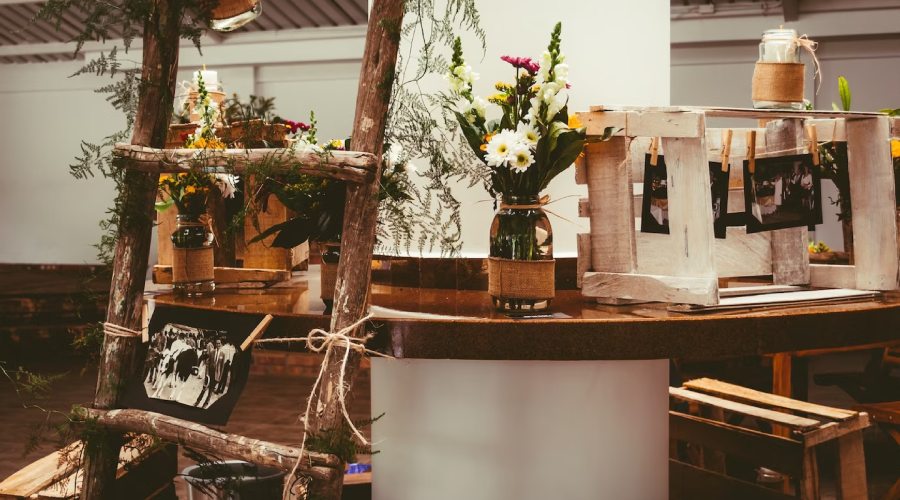
One of the most engaging ways to use wooden crates is to visually tell your brand’s story over time. Consider stacking crates to form a vertical timeline display.

Each tier can represent a key milestone in your brand’s journey – founding year, product evolution, major collaborations, or sustainability milestones. This technique works well in both retail and HoReCa environments, giving customers something to engage with while browsing or waiting.

Check out this 5-tier wooden crate display stand for inspiration. It’s a perfect base for building such a narrative, and the vertical orientation saves floor space while enhancing visibility.

Showcase unique product pairings

Wooden crates make it easy to curate and rotate themed displays that reflect your brand’s creative identity. For example, a specialty coffee shop might use a set of crates to highlight “Barista Picks of the Month,” combining beans, accessories, and brewing guides in one eye-catching space.

Similarly, a wine bar could stage “local vineyard highlights,” pairing bottles with stories, glasses, and matching charcuterie. These setups invite customer exploration and reinforce your brand’s thoughtfulness and expertise.

Leverage seasonal and thematic displays

Seasonal storytelling keeps your retail or dining space fresh and relevant, and wooden crates are ideal for building these rotating narratives. Crates easily adapt to seasons, holidays, or trending themes. In spring, fill them with floral accents and pastel packaging.

In autumn, showcase warm-toned items with cozy textures. Add signage or digital screens nearby to enhance messaging or offer QR codes for recipes, playlists, or behind-the-scenes content. This multi-sensory approach deepens customer engagement and brand recall.

Use personalization to strengthen identity

Branded details make a display feel curated rather than generic. Customize crates with your logo, tagline, or even a custom paint color that matches your brand palette. Better yet, stencil in inspirational messages or fun facts about your brand.

This creates Instagrammable moments and encourages sharing, especially in high-foot-traffic environments. Personalization helps establish emotional connections, fostering brand loyalty.

Combine with digital touchpoints

Blending tactile, rustic elements like wood with modern digital tools is a top retail trend. Pair your wooden crate display with a nearby tablet or screen showing product videos, customer testimonials, or interactive content.

This high-low mix catches attention and bridges the gap between physical charm and digital savvy. You can even integrate NFC tags or QR codes on crate signage, linking to more stories or promotions.

Brand story using wooden crates

Wooden crates are more than just containers. When used creatively, they become storytelling tools that bring your brand’s essence to life.

Whether you’re showcasing products, sharing history, or designing seasonal moments, the right display can transform how customers connect with you. Stay tuned to DisplayHype.com for more visual marketing insights and merchandising strategies designed to elevate your in-store experience.

retail

Future Trends in Retail Merchandising – Mobility and Flexibility

In today’s fast-changing retail world, staying relevant means keeping up with both customer expectations and new tech. As we look to the future, two key trends are standing out: mobility and flexibility.

More and more, retailers are realizing they need adaptable merchandising strategies that let them react quickly to what the market demands. In this article, we’ll dive into these trends and explore how tools like display pallet dollies can make a big difference in retail merchandising.

Shift toward mobility in retail merchandising

When we talk about “mobility” in retail. We’re really talking about making it easy to move things around—whether that’s display setups, individual products, or even entire store sections. This idea is picking up steam as retailers look for ways to create shopping spaces. That are engaging and can be refreshed easily to keep up with customer needs.

The rise of online shopping has reshaped consumer habits, pushing physical stores to work harder to attract and retain customers. Retailers are now focused on ways to bring the ease and personalization of online shopping into the in-store experience. Mobility in merchandising means stores can switch up displays quickly, whether for a new season, a promotional event, or just to respond to what’s selling.

For example, using display pallet dollies, staff can move products around effortlessly. This flexibility is crucial for retailers like IKEA, which uses mobile displays to showcase new items in different sections of the store.

It helps customers “discover” products throughout their visit. Likewise, fashion stores can use these setups to quickly highlight new seasonal looks or special offers, keeping the shopping experience fresh and dynamic.

Why flexibility in retail displays matters

Flexibility in merchandising means having the ability to adjust displays and layouts based on campaigns, seasons, or simply the way customers are moving through the store. As shoppers’ preferences shift, stores that can quickly adapt their displays will have a better chance of staying relevant.

Flexible display setups allow retailers to try new layouts, shift product placements, and set up themed areas that resonate with customers. Take modular display units. For example—these can be rearranged to highlight different product lines or seasonal goods, offering a personalized touch.

Retailers like Target and Walmart are increasingly using flexible displays to keep pace with inventory changes and customer demand. Walmart’s garden center, for instance, can be reconfigured using mobile units, allowing it to focus on high-demand items during peak gardening seasons.

Technology is also a big part of making merchandising more flexible. Digital signage and interactive displays can be updated on the spot to promote different products or deals, helping stores easily switch from one campaign to another and keeping customers engaged.

Display pallet dollies – must-have for mobility and flexibility

Display pallet dollies are quickly becoming essential for retailers focused on mobility and flexibility. These rolling platforms allow staff to move displays, products, and promotional materials around the store with ease, making it much simpler to adjust to new trends or customer needs.

There are a lot of advantages to using display pallet dollies in retail. For one, they reduce the physical strain on employees, making setup and restocking faster and easier.

With sturdy designs, these dollies let staff move even heavy displays efficiently, helping the store stay organized and visually appealing. Display pallet dollies also allow for quick shifts in merchandising.

During a flash sale, for example, staff can easily relocate displays to high-traffic spots, maximizing customer interest. Retailers like Costco and Home Depot rely on these dollies for managing large displays. It ensure they can respond quickly to customer demands.

As retailers lean into omnichannel strategies, display pallet dollies help bridge the gap between in-store and online orders. Staff can quickly move items from storage to the sales floor or prep items for pickup and delivery, which streamlines operations overall.

Data’s role in shaping mobile and flexible merchandising

Data is a game-changer for retailers working to stay agile. By analyzing customer behaviors, sales patterns, and inventory levels, stores can make smarter choices. About how they set up displays and respond to changing market conditions.

Retail analytics tools provide valuable insights that help retailers refine their merchandising strategies. For example, heat maps can show which areas of the store are getting the most foot traffic, helping stores position popular items for maximum visibility.

Predictive analytics also let retailers anticipate demand shifts. For example, a retailer might look at past data to prepare for an uptick in holiday-related purchases. It allows them to strategically display these items ahead of time.

With data as a guide, retailers can create merchandising setups that feel in tune with customer preferences and deliver a better shopping experience.

Looking ahead – other key factors in retail strategy

As retail continues to evolve, mobility and flexibility in merchandising will only become more important. Retailers that embrace these trends—using tools like display pallet dollies and data analytics. Will be in a better position to meet changing demands and boost efficiency. By focusing on adaptable, dynamic merchandising strategies, stores can create environments that keep customers engaged, foster loyalty, and drive sales.

Sustainability: With eco-conscious consumers on the rise, retailers need to consider sustainable merchandising practices, like using eco-friendly displays and reducing waste.

Personalization: Tailoring displays to individual preferences, possibly using customer data, can create a more engaging experience.

Omnichannel Integration: Seamlessly linking online and offline shopping experiences is essential. Retailers should consider ways to make in-store displays align with online promotions.

By prioritizing these factors, retailers can strengthen their merchandising strategies and stay competitive in a marketplace that’s constantly evolving.

pallet dollies

Future Trends in Retail Merchandising – Mobility and Flexibility

The retail landscape is constantly evolving. With consumers now shopping both online and in-store, retailers need to stay adaptable. Mobility and flexibility are key, allowing stores to quickly adjust their setups.

One noticeable trend is the increasing use of display pallet dollies. These handy tools help stores move products around with ease, making it simple to reconfigure layouts based on customer flow or new promotions.

As shopping habits continue to shift, we’ll likely see even more creative merchandising solutions aimed at improving both the customer experience and operational efficiency.

The shift towards omnichannel retailing

In today’s fast-paced retail world, customers are looking for a shopping experience that easily moves between online and in-store. Omnichannel retailing is all about blending these different ways of shopping, so customers can switch between them without a hitch.

For retailers, this means adjusting how they present products. Displays need to be flexible—able to quickly shift from one promotion to the next, whether it’s online or in-store.

For instance, a store might run a social media campaign promoting an event. To make the most of it, they need to get relevant displays ready in the store right away.

Retailers can also react to real-time data, like changing stock levels or customer reviews, to keep displays fresh and timely. This adaptability not only keeps customers happy but also helps increase sales by showcasing the right products at the right time.

Enhancing customer experience through mobility

Mobility in retail is about much more than just shifting products around; it’s about creating spaces that can change and adapt as customers move through them. Mobile displays, for example, allow stores to quickly change their layout, keeping things fresh and interesting.

Pop-up shops or mobile kiosks are great examples—they can be placed in busy areas to grab attention and prompt quick purchases. Technology is playing a big role in this too.

Mobile point-of-sale systems let sales staff help customers anywhere in the store, which means no more long waits at the checkout. This kind of flexibility not only makes shopping more convenient but also improves customer satisfaction, making them more likely to return to the store in the future.

The role of display pallet dollies

As retailers seek more mobility in merchandising, display pallet dollies have become a go-to tool. These simple yet effective devices make it easy to move product displays around the store. With pallet dollies, staff can quickly rearrange displays, bringing seasonal or promotional items to prime spots without much hassle.

For example, a grocery store might roll out a display for a special sale or new product, then easily take it down when the promotion is over. This makes the whole process faster and ensures displays stay fresh and relevant for shoppers.

Pallet dollies are also useful for getting products from storage to the sales floor, making restocking more efficient. Many of these dollies come with useful features like locking wheels and sturdy builds, so products stay safe while being moved.

Sustainability and eco-friendly practices

Sustainability is playing a bigger role in retail merchandising as consumers look for more eco-friendly options. Retailers are adjusting their approaches to reflect this shift, focusing on reducing waste and using sustainable materials.

Mobility and flexibility in displays can help here by allowing stores to use their space and resources more efficiently. Reusable fixtures and modular setups are key examples.

Instead of creating new displays for every promotion, retailers can invest in solutions that are easy to take apart and reuse. This not only cuts down on waste but also saves money by reducing the need to produce new displays for every campaign.

The fashion industry is a good example of this shift. Brands are turning to collapsible and modular display systems made from eco-friendly materials. These setups can be moved around easily and reused for different collections, helping reduce their environmental footprint while still looking visually appealing.

Data-driven merchandising

In today’s data-driven world, retailers are using analytics to fine-tune their merchandising strategies. By studying customer behavior and tracking sales trends, they can make smarter decisions about where to place products and how to design displays. This helps ensure that the items customers are most interested in are highlighted.

For example, a retailer might find that a particular product category sells better during a certain time of year. Using this information, they can set up flexible displays that can be quickly adjusted as customer preferences shift, leading to better sales and more efficient inventory management.

Real-time analytics are also becoming important in merchandising. By monitoring how customers move through the store and interact with displays, retailers can make more informed decisions about future setups, keeping their displays fresh and engaging.

Integrating technology in retail displays

As technology advances, its role in retail displays is growing quickly, bringing more mobility and flexibility to merchandising. Retailers are starting to use tools like digital displays, augmented reality (AR), and interactive kiosks to make shopping more engaging. These technologies allow stores to easily change content, showcasing different products or promotions without much effort.

For instance, a clothing store might use AR so that customers can virtually try on outfits. This not only makes shopping more fun but also helps the store manage inventory without needing to change physical displays constantly.

Additionally, digital signage can be updated instantly to show new promotions or feature best-selling items. This keeps displays fresh and interesting, encouraging shoppers to engage more with the products and explore the store.

The importance of staff training

With mobile and flexible merchandising becoming more common, proper staff training is more important than ever. Retail employees need to understand the tools they’re working with, such as mobile displays and data analytics.

By providing comprehensive training, retailers can ensure their staff can quickly adapt to these new merchandising strategies, which helps improve the overall customer experience. For example, regular workshops can teach staff how to effectively use pallet dollies, mobile point-of-sale systems, and digital displays.

This kind of training not only makes the store run more smoothly but also gives employees a sense of ownership in their work. When staff feel more engaged and confident in using these tools, they’re more motivated to help drive the store’s success.

Adapting to the future of retail merchandising

The future of retail merchandising is clearly being shaped by the growing need for mobility and flexibility. As retailers deal with the challenges of omnichannel shopping and rising customer expectations, being able to adapt quickly is becoming more important than ever.

Tools like display pallet dollies are crucial in this environment, helping retailers create dynamic, customer-friendly shopping experiences. Embracing these trends will not only improve the overall customer experience but also strengthen brand loyalty and boost sales.

As the retail industry continues to evolve, staying ahead of these changes will be key for marketing professionals who want to make an impact in merchandising. By using technology, embracing sustainable practices, and making sure staff are well-trained, retailers can set themselves up for success in a constantly changing retail world.

display pallet dollies colorwood

Display Pallet Dollies Helps With Retail Ergonomics

In the world of retail, maintaining a healthy and efficient workplace is essential for keeping both productivity and employee well-being on track. That’s where ergonomics comes into play—it’s the science of designing spaces and tools that fit the needs of the people using them.

By focusing on ergonomics, we can help reduce physical strain and prevent injuries that often come from repetitive tasks like lifting and bending. One simple yet incredibly effective tool in retail ergonomics is the display pallet dolly.

These dollies make it easier to move heavy items and streamline workflows, transforming the retail environment into a safer and more comfortable place for everyone involved. Let’s dive into why ergonomics is so important in retail and how these pallet dollies make a real difference.

Why ergonomics matter in retail?

If you’ve ever worked in retail, you know that the job often comes with a lot of physical demands. Employees frequently face tasks that can lead to back pain or repetitive strain injuries.

But the effects of poor ergonomics go beyond just physical health; they can also drag down morale, increase absenteeism, and ultimately hurt productivity. That’s why making ergonomic improvements, like incorporating display pallet dollies, is crucial—it helps create a workplace that’s not only safer but also happier and more efficient.

How display pallet dollies help workers?

So, what exactly are display pallet dollies? Think of them as wheeled platforms that make moving goods around a store a breeze.

By cutting down on the need for heavy lifting, these dollies help take the strain off workers. Instead of wrestling with heavy boxes, employees can simply roll them to wherever they need to go. This doesn’t just reduce the risk of injuries; it also speeds up the stocking process, making everything run a little smoother.

Many of these dollies come with user-friendly features like easy-grip handles and swivel wheels, making them easy to maneuver, even in tight spaces. By reducing the physical effort required from workers, these tools contribute to a healthier and more sustainable work environment.

Boosting workflow efficiency

Beyond just improving ergonomics, display pallet dollies can significantly enhance efficiency in retail settings. They make it easier to quickly position merchandise displays, allowing stores to adapt to customer flow and promotional needs on the fly.

For example, during a busy sale, employees can quickly rearrange displays to showcase popular products or clear up space in crowded areas. This not only improves the shopping experience but also lightens the load on employees, who can make adjustments without having to lift heavy items.

Promoting safety and health

Safety is a major concern in retail, where manual handling often leads to injuries. Display pallet dollies help mitigate these risks by reducing the need for manual lifting.

This not only protects employees but also helps retailers avoid the costs associated with workplace injuries, like workers’ compensation claims and lost productivity. Investing in tools like these shows a commitment to employee well-being, which can boost job satisfaction and loyalty.

Imagine a store that equips its staff with pallet dollies and provides training on safe handling techniques. This store isn’t just preventing injuries, it’s also fostering a supportive work environment.

This proactive approach can enhance the store’s reputation as a great place to work, making it easier to attract and retain skilled workers.

Additional benefits of display pallet dollies

Beyond safety and efficiency, display pallet dollies offer other advantages as well. They help keep the store organized and visually appealing by allowing quick adjustments to displays.

This flexibility is especially useful during seasonal promotions or new product launches when being able to quickly change things up can really catch customers’ attention.

Additionally, these dollies can help reduce congestion in the aisles, making it easier for customers to navigate the store. In a busy retail environment, this smooth flow of foot traffic is crucial for maximizing sales opportunities.

Display pallet dollies – smart move to bring

Bringing display pallet dollies into retail operations is a smart move. They not only enhance ergonomics but also improve workflow efficiency and create a safer, healthier workplace.

By reducing the physical strain on workers and making it easier to move goods around, these tools contribute to a more productive and positive retail environment. For those managing retail operations, investing in ergonomic solutions like display pallet dollies is a step toward building a sustainable, employee-friendly workspace.

As the retail industry continues to evolve, prioritizing employee health and well-being will remain key to long-term success.

TVs displays

TVs Displays for Advertising Screens

In an age where digital advertising has taken center stage, TVs displays as advertising screens have become a powerful tool for businesses. So they offer a dynamic and engaging way to showcase products and services, especially in public places and high-traffic dining establishments.

Understanding the shift towards more interactive and visually appealing advertising methods. In this article provides an in-depth insight into the features needed to use TVs displays as practical advertising tools.

We will look at the best TV models that excel in this role, each with unique features to suit different advertising needs. And in addition, we’ll delve into the latest trends in promotional displays, offering insights that resonate with tech-savvy audience.

Functionality requirements for advertising TVs displays

When choosing a TV set for advertising purposes, consider the following essential features:

High brightness and contrast: Screens should be bright enough to be visible in various lighting conditions. A high contrast ratio ensures content stands out, making it more visible to the audience.

Durability and reliability: These TVs displays often run for extended periods, sometimes 24 hours a day, seven days a week. But they must, therefore, be designed to withstand continuous use without compromising performance.

Connectivity: Modern promotional TVs should have multiple connectivity options, including HDMI, USB, and Wi-Fi, allowing easy content updating and integration with different content management systems.

Flexible display options: So businesses should look for TVs with flexible display settings such as portrait or landscape orientation, split-screen options, and customizable layouts to suit different content types and spaces.

Remote management: TVs with remote management capabilities allow businesses to update and control content from a central location, improving operational efficiency.

Understanding these key features will help you choose a TV that displays your content and enhances its impact on your audience.

Top TVs displays models for advertising screens

Here’s a closer look at some of the best TV digital display menu models for advertising, for example:

Samsung QLED series: These TVs feature Quantum Dot technology for outstanding color accuracy and high brightness levels. They are ideal for bright, intensely lit rooms to attract attention in well-lit environments.

LG OLED series: LG OLED TVs are renowned for their deep blacks and infinite contrast, ensuring that content stands out even in dark environments. Wide viewing angles make them suitable for spaces where viewers are spread out.

Sony Bravia LED Series TVs: With Sony’s reputation for reliability and outstanding picture quality, their Bravia LED Series is the perfect choice for long-lasting use in public spaces. Their X-Reality PRO enhances every pixel to ensure clarity.

TCL Roku TV: TCL Roku TVs offer an outstanding balance between quality and affordability for businesses on a budget. Thanks to the integrated Roku platform, content management is simple and user-friendly.

Each model offers unique benefits, allowing businesses to choose based on their specific advertising objectives and budget constraints.

Trending in advertising TVs displays

Interactive and intelligent features are at the forefront of advertising display trends 2024. Here are some highlights:

Touchscreen capabilities: Touchscreen TVs displays are becoming more common, enabling interactive ads where customers can engage directly with the content.

Motion sensors and facial recognition: These features allow the display to change content based on audience engagement or demographics. Providing a more personalized advertising experience.

AI-driven content management: AI algorithms can analyze customer data and automatically adjust advertising content to target specific audiences. Increasing the effectiveness of marketing campaigns.

Incorporating these trends can create more engaging and impactful advertising experiences. Allowing companies to stay at the forefront of digital marketing innovation.

Stepping into a new era of digital advertising

However, with the development of digital display technology. It is becoming essential for companies to choose the correct TV set for their advertising. But from the high-end Samsung QLED to the budget-friendly TCL Roku TV. Each model offers unique features to suit different advertising needs.

So using these technologies raises the profile of your products and services and engages customers in new and exciting ways. For more comprehensive guidance on choosing technology. Visit our detailed guide on choosing a PC, and for caterers, check out the innovative menu options of digital displays.

Stay informed and updated with displayhype.com is your trusted source for the latest technology, computers, and phones.

Please check out these articles too:

Maximizing the Effectiveness of Outdoor Menu Display Stands

Immersive Brand Experience with Showroom Display Stands

fashion shop store

How to Set Up a Fashion Shop Efficiently

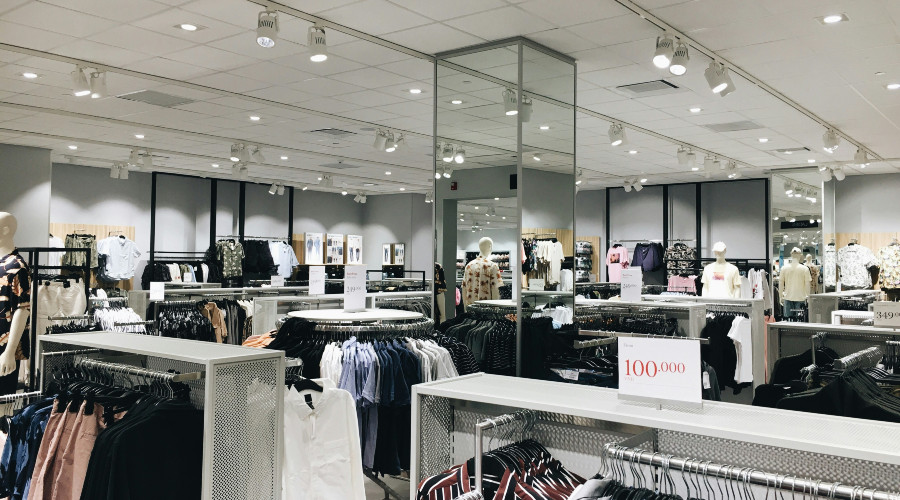
When it comes to fashion, presentation is everything. Setting up a fashion shop efficiently requires careful consideration of marketing furniture and fixtures. These elements enhance the shopping experience and play a critical role in brand awareness and driving sales.

Previously we discussed displaying designer bags. In this article, we’ll take things further. Let’s explore the essential marketing furniture for fashion shops, highlighting their importance and offering suggestions on choosing the best options.

Creating the perfect fashion retail space

Before we delve into the specifics of marketing furniture, let’s understand why this topic is relevant to our readers. Your retail space is an extension of your brand and is pivotal in shaping the customer’s perception. 

Setting up your fashion shop efficiently can increase foot traffic, increase conversion rates, and create a loyal customer base. Now, let’s explore the essential elements of an efficient fashion retail space.

Showroom display stands for a fashion shop

Showroom display stands are the unsung heroes of fashion retail. They showcase your merchandise, highlight featured products, and organize your store. Their versatility allows for creative visual merchandising.

Look for display stands that match your brand’s aesthetic and offer flexibility. Consider options like adjustable heights and shelves to accommodate different types of clothing.

Shelving and storage

Efficient storage and shelving keep your inventory organized and easily accessible. They also create an inviting shopping environment by reducing clutter and helping customers find what they want.

Opt for shelves that are durable, adjustable, and aesthetically pleasing. Consider open shelving for a modern, boutique feel or closed storage for a sleek, minimalist look.

Counters and checkout stations

Counters and checkout stations are the final touchpoints in a customer’s shopping journey. They should be welcoming and efficient. So the checkout process is smooth and memorable.

Select counters that align with your brand’s style. Incorporate elements like cash wraps, display cases, and secure storage for a seamless checkout experience.

Window displays

Window displays are your storefront’s first impression. They should grab the attention of passersby, convey your brand’s identity, and entice them to step inside.

Rotate your window displays regularly to keep them fresh and aligned with seasonal trends. Incorporate creative lighting and props to make your displays stand out.

Digital signage

Digital signage adds a dynamic element to your store. It can showcase promotions, new arrivals, and lifestyle imagery that resonates with your target audience.

Invest in high-resolution displays with user-friendly content management systems. Keep the content relevant and regularly updated to maintain customer engagement.

Lighting

Lighting sets the mood and improves the overall shopping experience. It can highlight key areas, and products to create a welcoming ambiance.

Try out different types of lighting, such as ambient, task, and accent lighting. LED lighting is energy-efficient and versatile. It allows ou to create various atmospheres.

Latest trends

For fashion-forward readers, staying updated on the latest trends is essential. One trendy approach is incorporating sustainable and eco-friendly materials into your marketing furniture and fixtures. Customers are increasingly conscious of the environment; eco-friendly choices can enhance your brand’s reputation.

In conclusion

Efficiently setting up a fashion shop is a mix of art and strategy. The right marketing furniture and fixtures can transform your space into a vibrant, inviting, and sales-driving environment. As you embark on this journey, remember that every choice you make reflects your brand’s personality and values.

So, embrace these ideas, tailor them to your unique style, and watch your fashion shop flourish as it captures the hearts and wallets of discerning shoppers.

Corporate Narrative

Integrating the Corporate Narrative across Marketing Channels

In this blog we like to explore the latest trends in advertising, merchandising, and brand awareness. And in today’s post, we will dive into the integration of the corporate narrative across various marketing channels, a critical task that ensures a consistent, cohesive, and influential brand message. 

We’ll also provide a roadmap of strategies, real-world examples, and insights tailored for marketing professionals. 

Let’s get to it!

Understand the corporate narrative

The first thing you must know is that the corporate company narrative is the heart and soul of a company’s identity. It encapsulates the values, mission, vision, and overall essence that defines a brand. 

And understanding this narrative is not merely about identifying what a company sells but recognizing why it exists, who it serves, and how it resonates with its audience. 

For marketing professionals, it provides the foundational framework upon which all communications are built.

Key elements are – mission, vision, values, brand personality, and customer promise.

One example is Nike’s narrative that focuses on empowerment, inspiration, and achievement, not just athletic wear.

Craft a consistent voice

Creating a consistent voice across all marketing channels is like providing a recognizable face to the brand. It assures customers that no matter where they interact with the company, they are met with the same personality, values, and messaging. 

This coherence builds trust and strengthens brand identity, a critical consideration for marketing professionals aiming for lasting impact and customer loyalty.

A good strategy is to develop a brand guideline that includes the tone, language, and messaging styles. Apple is a great example. Apple’s consistently minimalist and innovative voice across advertising, website, and social media.

Make sure to integrate social media 

In the era of digital connection, social media becomes the voice and image of the brand for many consumers. So that is another valuable point to focus on. Integrating the corporate narrative into social media channels is a nuanced task that requires authenticity, creativity, and strategic alignment with the brand’s core values. 

So marketing professionals must carefully craft posts, stories, and interactions that reflect the brand’s essence without coming off as contrived or disconnected.

A good strategy is creating engaging content that tells the brand story through videos, images, and interactive posts. As an example we can mention Coca-Cola’s #ShareACoke campaign, which emphasized connections and shared experiences.

Always leverage press releases

Press releases are not just news bulletins; they are storytelling platforms. Marketing professionals can utilize press releases to articulate the brand narrative to journalists, investors, and the broader public. 

The challenge lies in weaving the corporate story into news content in a way that is informative yet consistent with the brand’s voice and mission.

Strategy to try out – embedding the brand’s mission and vision statements within press releases. A good example – Tesla’s press releases often include their mission to accelerate the world’s transition to sustainable energy.

Engage through email marketing

Email marketing is a direct line to the customer, a space where the brand narrative can unfold in a more personal and tailored manner. 

Marketing professionals must navigate this channel with precision, ensuring that the corporate story resonates in a way that feels individualized yet aligned with the broader brand ethos. 

The challenge here is to maintain the corporate voice while personalizing the experience for different segments of the audience.

Strategy could be segmenting email lists to send personalized stories, updates, and offers that align with the brand narrative. An example: is Airbnb’s personalized emails that emphasize community, adventure, and belonging.

Utilize influencers and brand ambassadors

Influencers and brand ambassadors act as human extensions of the brand, reaching audiences that might otherwise remain untapped. 

For marketing professionals, the task is to identify and collaborate with individuals who genuinely resonate with the corporate narrative. These partnerships must feel authentic and natural, reflecting a shared belief in the brand’s values, mission, and story.

A good strategy is to partner with influencers who resonate with the brand’s values and story. As an example take a look at Lululemon’s collaboration with fitness influencers who share the brand’s focus on wellness and community.

In conclusion

Integrating the corporate narrative across marketing channels is a complex, nuanced task that requires a deep understanding of both the brand and the varied platforms through which it communicates. 

Check out our other article to learn more on how to boost corporate narrative with brochure stands.

The success of this integration hinges on consistency, authenticity, and strategic alignment with the core essence of the brand. By embracing the strategies and insights shared in this article, marketing professionals can forge a unified brand presence that resonates and engages at every touchpoint.

Stay tuned for more!

beverage accessories

Branding Essentials for Beverage Accessories

Branding is a critical aspect of any successful business. And one of the most effective ways to imprint your brand in the minds of your customers is through promotional accessories. For beverage businesses, beverage accessories like display stands, meter trays, unique coasters, and reusable straws offer an excellent opportunity to reinforce your brand identity. 

And there are many things to consider. So in this article let’s delve into how you can make your mark with ‘beverage accessories and all of the items it includes.

The art of choosing the right design and colors

Design and color are crucial elements when creating branded beverage accessories. The design should resonate with your target audience and echo your brand personality. 

So it’s worth answering a few questions for yourself. 

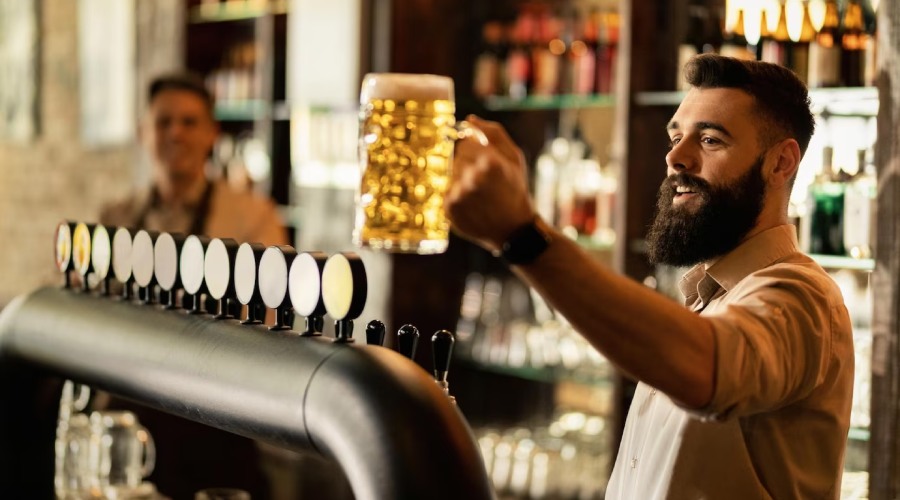
Are you a fun, trendy craft brewery? A quirky, abstract design might suit you well. Or if you’re going for a sustainable look, then some earthy and rustic beer accessories might be your pick.

A high-end wine bar? You might opt for a more elegant, minimalist design.

Colors, on the other hand, should align with your brand colors to promote recognition and cohesion. For example, Starbucks often uses its distinctive green color in its accessory design, strengthening its brand recognition.

Make sure to pick good logo placement

Incorporating your logo effectively is essential when branding beverage accessories. It should be visible but not overwhelming. 

So make sure to position it strategically so that it’s the first thing the customer sees when they pick up the coaster or straw. You might also consider embossing it for a more subtle, tactile experience.

Consider the example of Coca-Cola. They effectively use their logo on glass bottles, maintaining the simplicity yet ensuring their brand is unmistakable.

Accessorize with purpose – branded display stands 

Branded display stands and meter trays can serve multiple purposes. They not only keep your bar or counter organized but also provide additional advertising space. 

Therefore another great tip to consider is to ensure your brand logo and tagline are clearly visible. The design should be captivating enough to draw customers’ attention.

For instance, Heineken uses branded display stands in bars to showcase their beer, strengthening their brand presence.

And speaking of display stands, you might be interested in our article too – The Role of Lighting in Beverage Display Stands. 

Make a statement with unique coasters and reusable straws

Custom-made coasters and reusable straws can act as a constant reminder of your brand during the customer’s drinking experience. 

We love putting some extra thought into coasters because they provide ample space for creative designs or messages that reflect your brand’s ethos.

Meanwhile, reusable straws are an excellent choice for brands promoting environmental sustainability. They offer a perfect opportunity to highlight your brand’s commitment to the environment. Like how Starbucks offers reusable straws in its brand colors to reduce plastic waste.

Know the power of limited editions

Limited-edition accessories can create a sense of exclusivity and urgency, making your brand more desirable to customers. These could be linked with special occasions, holidays, or anniversaries. 

And collectible items, like limited-edition coasters or straws, can turn customers into brand ambassadors as they share their collections with others.

In conclusion always remember to leave a lasting impression

So in conclusion it is important to remember that branding beverage accessories is an effective way to enhance your brand identity and create a memorable customer experience. 

By carefully choosing designs and colors, effectively incorporating your logo, and creating branded accessories like display stands, meter trays, coasters, and straws, you can make your brand mark on every customer interaction. 

Be sure to keep an eye on emerging trends and customer preferences to keep your branding strategies fresh and relevant.

Countertop Display Stands

Creating a Brand Story through Countertop Display Stands

The way you present your products in your store can do quite a lot for your sales. First of all, it can tell a story about your brand. It can tell your customers more about who you are. And it can be told with quite everything in your store, also such details as countertop display stands.

Your chosen displays can evoke emotions, show your values, and experiences that resonate with customers. Therefore it is very important to take care of such details so everything makes sense together. Good countertop display stands can be a real help.

So in this article, we’ll take a look at the art of brand storytelling through countertop display stands. You will get to know just how you can use these stands to convey your brand’s story or mood. And learn how to integrate signs or infographics to amplify your messaging. 

Let’s get started already!

Understand the importance of brand storytelling

The first step is to make sure your storytelling is excellent. Brand storytelling is a powerful way to connect with customers and differentiate your business from competitors.

To be fair, storytelling is deeply ingrained in human culture. We use stories to make sense of the world, understand information, and form connections. Brands can tap into this universal human trait to create emotional connections with customers.

A compelling brand story can do the following:

Increase brand recognition – a unique and memorable story can make your brand stand out in customers’ minds.

Build customer trust – authentic stories can humanize your brand and foster trust.

Drive customer loyalty – customers who feel a connection to your brand story are more likely to become repeat customers and brand advocates.

When we think about big brands, there is always a story behind them. It can be something related to their goals and values as well as a mission. Some want to offer a unique product to make their customers’ everyday life easier. Others fight for sustainability or some other cause.

Share your brand story through countertop display stands

Your countertop display stands can be a visual representation of your brand story. It can be a way of subtly communicating your values and mission.

For example, the way you arrange and present your products can say a lot about your brand. By carefully curating your displays, you can convey your brand story in a way that resonates with customers.

Here are some tips on using your countertop display stands to tell your brand story:

Theme your displays – if your brand is all about sustainability, you might theme your displays around nature, using natural materials for the stand and showcasing eco-friendly products.

Product curation – choose products for your display that reflect your brand values. For example, a brand dedicated to artisan craftsmanship could highlight handmade items.

Color and design – use brand colors and design elements in your displays to reinforce your brand identity.

There are many ways you can share a story about your brand. Many customers might not even realize it at the beginning but such elements as colors and design will stay with them subconsciously. And later on it will create a story about your brand in their minds. That is what you want.

And you want to go even further, include other display stands too. For example, vendor display stands or modular display stands.

You can also set the right mood with display stands

Beyond telling a story, your countertop display stands can also evoke a specific mood or atmosphere that aligns with your brand.

Here’s how to create a mood with your countertop displays:

Lighting – soft lighting can create a warm, inviting atmosphere, while bright, cool lighting can feel modern and energizing.

Materials – the materials used in your display stand can evoke different moods. For example, rustic wood might feel cozy and down-to-earth, while sleek metal can feel sophisticated and modern.

Arrangement – a neatly arranged display can feel organized and calming, while a more eclectic arrangement might feel fun and quirky.

Remember that the look and feel of your displays can influence customers’ emotions. As a result it can shape their perceptions of your brand and their shopping experience.

Make sure to integrate signs and infographics into your displays

Another tip in creating a brand story is to include signs. That is because signs and infographics can provide additional context and information. Then it will help with enhancing your brand storytelling efforts.

While your products and display stands can visually convey your brand story, signs and infographics can communicate more explicit messages. It will offer further insight into your brand values and mission.

Consider these ways to incorporate signs and infographics:

Product information – use signs to highlight the unique qualities of the products on display, such as their origin, ingredients, or the artisan who made them.

Brand values – display infographics that communicate your brand’s mission or values. For example, a brand focused on sustainability could use an infographic to show how their products or business practices are eco-friendly.

Customer testimonials – make sure to share positive reviews or testimonials from satisfied customers. This social proof can strengthen your brand story and make it more convincing.

Creating a brand story through countertop display stands is about more than just selling products – it’s about connecting with customers on an emotional level. 

In conclusion

Overall, by thoughtfully curating your displays to convey your brand story and mood, you can create a shopping experience that resonates with customers and sets your brand apart. Remember, that your brand story should be authentic and consistently reflected in all aspects of your business.

By that we mean every detail from your product selection to your customer service. With a compelling brand story, you can not only attract more customers, but also build stronger relationships with them and inspire lasting loyalty. 

So happy storytelling!

Table Top Display Stands

Optimize Boutique Space with Table Top Display Stands

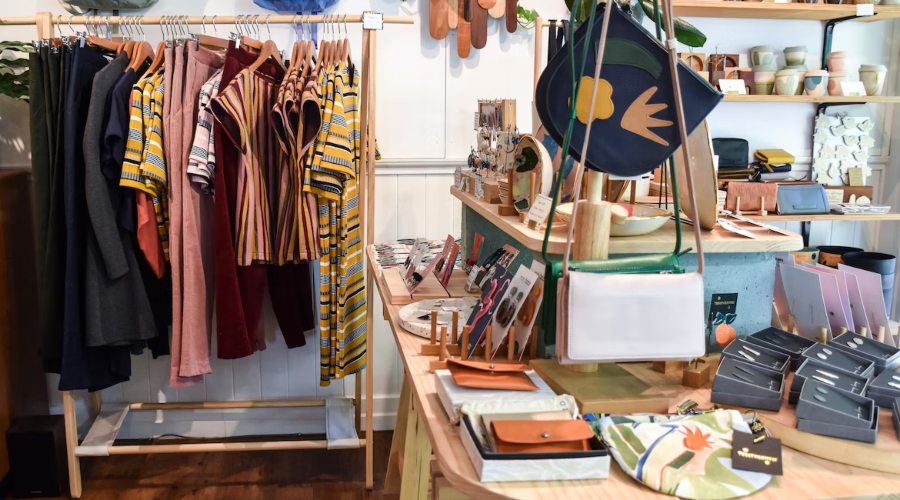
For boutique owners, optimizing space is critical to both function and aesthetics. Effective utilization of space can ensure smooth customer flow. This is where table top display stands come in the picture because they don’t take too much space, and help you create even more of it.

And if you take care of your space just right, it will surely highlightyour products effectively. When your customers will be able to walk around your space and carefully take a look at your product selection, you have won. It will create a pleasing shopping environment. And good table top display stands can help you out with just that.

In this article, let’s find out how table top display stands can be strategically used to optimize boutique space. Here we will explore considerations for stand placement, item selection, and visual hierarchy creation.

We hope to provide you with a comprehensive guide to elevate your boutique’s overall space management.

Take care of placement for optimal flow

The placement of your table top display stands significantly influences the flow and movement of customers within your boutique.

Here are some tips for optimizing customer flow:

Entrance display – placing a table top display stand near the entrance can draw customers into your store and set the tone for their shopping experience.

Pathway placement – positioning display stands along customers’ natural walking path can subtly guide them through your store. Be careful not to place them too closely together to avoid causing traffic congestion.

Point of Sale – having a display stand near the checkout counter can occupy customers while they wait to pay and also encourage last-minute impulse purchases.

Remember that designing the flow of your store involves strategically positioning your table top display stands. They are supposed to guide customers on a predetermined path, while also maximizing their exposure to your products without causing congestion.

Choose the appropriate items for table top display

Next step is choosing the right items to showcase on your table top display stands. It is critical for grabbing customers’ attention and making the most of your limited space. 

So here’s what you should consider.

Keep the following in mind when selecting items for display:

Size – ideally, items should be small enough to fit comfortably on the display stand, but large enough to catch customers’ eyes from a distance.

Popularity – displaying your best-selling items can draw customers in and also provide social proof, nudging other customers towards a purchase.

Seasonality – seasonally appropriate items can make your display stand feel fresh and relevant.

Uniqueness – showcasing items that are unique or exclusive to your boutique can make the display stand more enticing and enhance your boutique’s overall appeal.

Make sure to carefully select items to display based on their appeal, size, and relevance. These items that you’re trying to sell can serve as a snapshot of what your boutique offers. 

And if they like what they see, surely it will entice customers to explore even further.

Don’t forget to create a visual hierarchy

Visual hierarchy in your displays can guide customers’ attention to key products and make your boutique visually engaging.

Creating a visual hierarchy involves arranging items to emphasize certain products and guide customers’ eyes through the display. So make sure to create a beautiful display that captures customer’s attention.

Here’s how to establish a visual hierarchy in your table top display stands:

Color – use contrasting colors to make certain items stand out. For example, displaying brightly colored items against a neutral background can draw attention.

Size – larger items naturally draw the eye. By placing these items at the center or back of the display, you can guide customers’ attention through the entire display.

Positioning – customers typically scan displays from left to right, similar to reading. Placing key items on the left can ensure they are seen first.

Lighting – spotlights or under-shelf lighting can be used to highlight specific products and create an engaging, dynamic display.

Remember that a great visual hierarchy can be easily achieved. Especially if you take into consideration our methods through the use of color, size, positioning, and lighting.

Make sure to maintain flexibility

While it’s important to have a general layout plan, maintaining flexibility in your boutique’s arrangement can keep your space dynamic and responsive to changing needs.

Here are some ways to maintain flexibility:

Modular displays – choosing table top display stands that can be easily moved or reconfigured allows you to quickly adapt your store layout as needed.

Rotating products – regularly swapping out the items on your table top display stands can keep your boutique feeling fresh and exciting. This is especially useful for highlighting seasonal items or new arrivals.

Responsive arrangement – pay attention to how customers move and behave in your boutique. If certain areas become congested, or if customers consistently overlook a display, don’t hesitate to change your arrangement.

Customer behavior, seasonal changes, and product availability can all impact the ideal configuration of your space.

Conclusion

So all in all, optimizing your boutique space with table top display stands requires a keen understanding of your space, your products, and your customers. 

If you consider strategic placement for optimal flow and create a visual hierarchy, you can create a boutique environment that is both functional and visually appealing.

Remember, there’s no one-size-fits-all strategy. The most effective layout for your boutique will depend on your specific space and customers, so don’t be afraid to experiment, iterate, and find what works best for your unique situation. 

When it comes to display stands for your business, make sure to read:

Maximizing Supermarket Sales with Strategic Retail Shelving

How to Design Eye-Catching Vendor Display Stands

Happy retailing!

Pos Merchandising

Leveraging Point of Sale Merchandising to Increase Profits

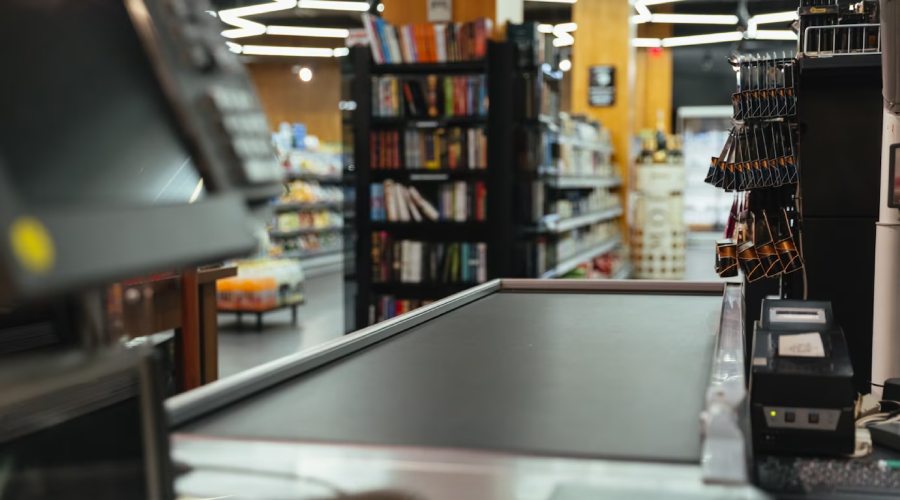
In the fast-paced environment of a convenience store, every interaction with customers presents an opportunity to enhance the shopping experience. While doing that, you can also of course increase profitability. And at the end of the day, that is everybody’s main goal. One such opportunity lies in the power of Point of Sale (POS) merchandising. 

Strategically placed products and well-designed displays at the checkout can have a huge impact on how your customers shop. The biggest value lies in taking care of impulse purchases. Oftentimes those contribute to the overall profitability of your store. 

Therefore in this article we will explore how to effectively leverage POS merchandising, while discussing suitable products, display design, and the use of POS technology to optimise results.

Understanding impulse purchases at the POS

To fully harness the power of POS merchandising, it’s essential first to understand the nature of impulse purchases. Especially in a convenience store setting.

To start off, it is important to understand that impulse purchases typically involve items that consumers buy without prior planning. Those are often triggered by seeing the product right before checkout. In very simple terms, when you do not plan to buy something but end up buying it impulsively – an impulse purchase is made.

These purchases can significantly increase the average transaction value in your store, boosting overall profits. Factors that can enhance impulse purchases include the attractiveness of the product display, the perceived value of the product, and its relevance to the consumer’s immediate needs or desires.

Choosing suitable products for POS displays is essential

It is important to think about the selection of products displayed at the POS displays. It is so because they can greatly influence the effectiveness of your merchandising strategy.

Items that are often purchased on impulse make excellent choices for POS displays. These might include small, lower-priced items. 

Examples could be anything similar to:

Candy,

chewing gum, 

snacks, 

magazines,

novelty items etc.

Limited-time offers or promotional items can also draw attention and stimulate purchases. Additionally, consider items that add value to other products in your store. Examples could be  batteries near the electronics, or wine bottle openers near the alcohol section. 

Remember that the key is to offer products that can be quickly and easily evaluated by customers as they wait at the checkout. It needs to be something that any customer either could’ve forgot to buy and realised they needed last second.

How to design an effective POS display

The design of your POS displays plays a critical role in capturing customer attention and influencing purchasing decisions. That is why it is so important to know how to design an effective POS display.

Good POS display design should be visually appealing, drawing the customer’s eye as they approach the checkout. Therefore it is good to use clear signage to highlight special offers or new products. 

Another tip is to keep the display neat and well-stocked, as a messy or sparse display can deter customers. Ensure the items are easy to pick up and examine. The easier a product is to interact with, the more likely a customer is to purchase it.

Make sure to balance additional purchases and checkout efficiency

While POS merchandising is a powerful tool for encouraging additional purchases, it’s important to balance this with maintaining an efficient checkout process. 

If your POS area is too cluttered or the displays obstruct the checkout process, this can cause frustration. Then the slow down of transactions follows. It is good to keep in mind that your customers will value a quick, smooth checkout experience. Especially in a convenience store setting. 

Be mindful of the space you have available and ensure that your displays enhance rather than hinder the checkout process.

POS technology for merchandising decisions

Modern POS technology can provide valuable insights to inform your merchandising decisions. It will also help you to  maximise the profitability of your POS displays.

POS systems can track the sales of each product in your store, providing data on which items sell well, at what times, and in what combinations. 

You can use this valuable information to choose suitable products for your POS displays, identify effective promotions, and determine the optimal placement of items. 

Some POS systems also offer inventory management features. That will help to ensure your POS displays are always well-stocked.

Conclusion

Point of Sale merchandising is a strategic tool that, when used effectively, can significantly enhance the profitability of your convenience store. If you understand the drivers of impulse purchases, then you can optimise your POS merchandising strategy. 

That will create a checkout experience that both satisfies customers and boosts sales. Remember that effective POS merchandising goes beyond just placing products near the checkout. It involves carefully analysing customer behaviour and making strategic product choices.

Best of luck to use your newly gained knowledge on Point of Sale merchandising in your business!

Check out our other articles such as How to Design Eye-Catching Vendor Display Stands or Optimizing Supermarket Layouts with Strategic Merchandising.

Amazon pickup

Amazon Considering an Online Grocery Chain

In today’s fast-paced world, the convenience of online shopping is not just an extra but a necessity for many. The concept of an online grocery chain is no exception. 

Online convenience store includes a network of grocery stores or a single entity providing online shopping groceries, followed by home delivery or in-store pickup. Amazon, a pioneer in e-commerce and tech innovation, is reportedly considering launching an online grocery chain, signaling a potential game-changer in the grocery shopping paradigm.

Why Amazon might be considering this move

Amazon has been a transformative force in e-commerce, reshaping how we shop for everything from books to electronics. As the company diversifies its portfolio, it should consider extending its reach into the daily essentials market, including groceries.

With the rise of online grocery shopping, particularly amidst the COVID-19 pandemic, consumer demand for such services has soared. By considering an online grocery chain, Amazon is positioning itself to meet this growing demand, leveraging its established logistics network, technical infrastructure, and customer base.

Potential benefits for customers

An Amazon online grocery chain would provide numerous potential benefits to customers.

First and foremost is convenience. Customers could order groceries from the comfort of their homes, saving time and avoiding crowded grocery stores.

Amazon’s advanced logistics network could offer fast delivery times, further enhancing convenience. Additionally, if Amazon were to leverage its existing services, such as Prime, for this grocery chain, customers might have access to benefits like same-day delivery, exclusive deals, and savings.

The roadblocks ahead

Despite the potential advantages, Amazon may face several challenges in implementing an online grocery chain. The grocery business has traditionally low margins, meaning Amazon would need to maintain high sales volumes to make a profit.

There also might be some logistical challenges specific to grocery delivery. Maintaining the freshness of perishables and managing timely delivery should be addressed. Moreover, breaking into a market with established competitors would require significant marketing efforts and an emphasis on customer service and satisfaction.

Impacts on the grocery industry

If Amazon proceeds with this online grocery chain, the impact on the grocery industry could be significant. Traditional grocery retailers may need to up their online presence and delivery capabilities to compete.

This move could also push innovation in the sector as companies strive to match or surpass Amazon’s convenience and service. Nevertheless, it could also lead to consolidation in the industry, with smaller or less tech-savvy grocers potentially struggling to keep up.

Decoding Amazon’s strategy

Amazon considering an online grocery chain is a testament to its continual drive for diversification and innovation. While it may present several challenges, the potential rewards for customer reach and satisfaction could be considerable.

The move clearly signals the increasing digitization of our daily routines and reflects changing consumer behavior. The grocery industry, consumers, and Amazon will watch closely as the company deliberates on this potential venture.