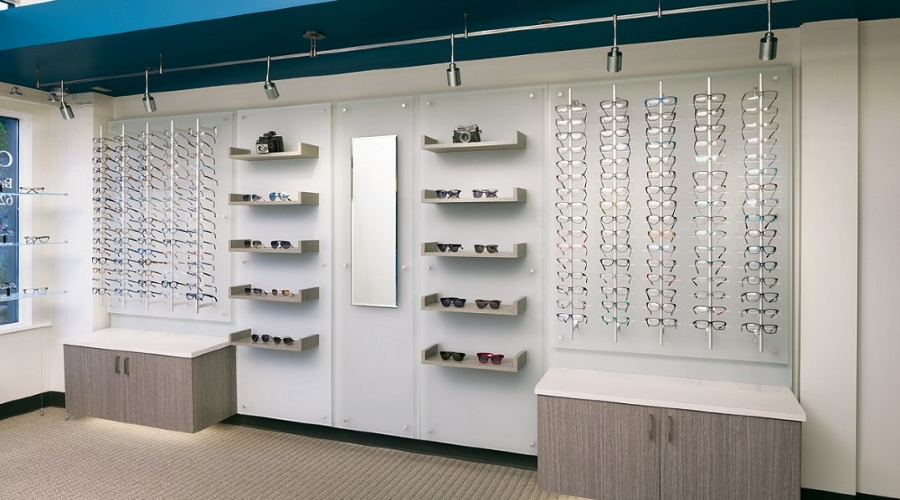
glasses showroom display stand

Immersive Brand Experience with Showroom Display Stands

The power of a physical retail space lies in its ability to offer an immersive, multi-sensory brand experience that cannot be replicated online. Showroom display stands play a vital role in this, serving as tangible extensions of your brand that engage customers and tell your brand’s story.

Let’s delve into how display stands can be used to create a rich, branded retail environment.

Strategic use of brand colors and logos

Brand colors and logos are significant visual identifiers that distinguish your brand. Display stands provide the perfect canvas to strategically incorporate these elements and create a visually cohesive retail environment.

Here are some ways to incorporate brand colors and logos into your showroom display stands:

Color-coordinated displays: Use your brand colors as the primary color palette for your display stands. For instance, if your brand colors are blue and white, you might opt for blue display stands with white shelving or vice versa.

Logo placement: Incorporate your brand logo on the sides, headers, or backdrops of the display stands. This constant visual reminder reinforces brand identity and enhances recall.

Themed displays: Create themed displays that align with your brand colors for specific occasions or promotions. For example, a brand with a green logo might have a special display for an environmental cause.

Overall, the strategic use of brand colors and logos on display stands can greatly enhance your brand’s visual identity and create a cohesive retail environment. By incorporating your brand colors into the design of the stands, you can reinforce brand recognition and create a visually appealing display.

Storytelling through displays

Storytelling is a powerful tool in branding. It evokes emotion, builds customer relationships, and adds depth to your brand. Display stands can be used to visually narrate your brand’s story, values, or mission.

Here are some storytelling strategies to consider:

Narrative displays: Design displays that narrate your brand’s particular story or aspect. For instance, a fashion brand dedicated to sustainable practices might have a display showing the journey of a garment from ethical sourcing to the finished product.

Historical displays: If your brand has a rich history, use display stands to showcase this. Vintage photos, notable milestones, or products can bring your brand’s history to life.

Mission-driven displays: If your brand is centered around a particular cause or mission, reflect this. For example, a brand supporting artisan craftsmanship might highlight these products and their stories.

In summary, storytelling through displays is a practical approach to engage customers and creating emotional connections. By utilizing narrative, historical, and mission-driven displays, brands can effectively communicate their unique stories, values, and missions to their target audience.

Incorporating interactive elements

Interactive elements in a retail environment foster an engaging, dynamic shopping experience, driving customer engagement and creating memorable brand interactions.

Let’s delve deeper into how these can be implemented on display stands:

Digital touchpoints

Digital touchpoints in QR codes, touchscreens, or digital kiosks can make the shopping experience more interactive and informative. They allow customers to explore products, learn more about the brand, or even make purchases more engagingly.

For example, a display stand for a skincare brand could feature a touchscreen where customers can answer a series of questions about their skin type and concerns. Based on their responses, the system could recommend suitable products which the customer can try on the spot.

Another example could be the use of QR codes on display stands. Customers can simply scan the code with their smartphone to access detailed product information, customer reviews, or even how-to-use videos. This offers added value to the customer and streamlines the shopping process by providing necessary information at the point of decision-making.

Product demos

Display stands featuring product demos allow customers to interact with and experience products first-hand. This is particularly effective for products where the physical experience plays a significant role in the purchasing decision.

For example, a tech store could have a display stand where customers can test the latest headphones. They can listen to music, test the noise-cancellation feature, and compare different models based on their experience. This interactive demo significantly enhances the shopping experience and gives customers confidence.

Similarly, a cosmetic store could have a display stand with testers for different makeup products. Customers can try out different shades, textures, and finishes, making it easier to find products that suit their needs and preferences.

Interactive storytelling

Interactive storytelling combines technology with narratives to create engaging, memorable brand experiences. It allows customers to engage with the brand on a deeper level and understand the brand’s values, mission, and story.

For example, a brand known for its sustainability efforts might have an interactive display stand featuring a touchscreen that takes customers through its journey towards sustainability – the initiatives undertaken, the impact made, and the future goals. Customers can navigate this digital journey at their own pace, fostering a deeper connection with the brand’s mission.

Another example could be an AR (Augmented Reality) experience incorporated into a display stand. For instance, a furniture store could have a display stand with an AR tool that allows customers to virtually ‘place’ furniture items in their homes to see how they fit and look. This not only offers a fun, interactive experience but also helps customers make informed purchase decisions.

By incorporating these interactive elements into your showroom display stands you can create a more engaging and dynamic shopping experience. This not only encourages customers to spend more time in your store but also fosters a deeper connection with your brand, ultimately boosting customer loyalty and sales.

Conclusion

Showroom display stands offer endless opportunities to create an immersive brand experience that resonates with customers. By strategically incorporating brand colors and logos, telling your brand’s story, and adding interactive elements, you can transform your showroom into a compelling brand showcase.

Not only does this strengthen your brand image, but it also creates an engaging, memorable experience that sets your brand apart in the crowded retail landscape. Check out DisplayHype.com for more display stand uses, advantages, and offers.
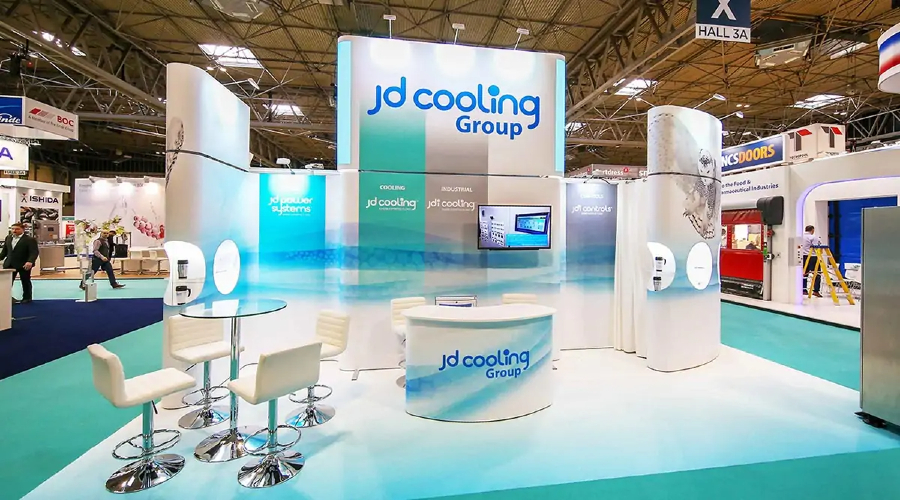
modular display stand in exhibition

Optimizing Flexibility and Mobility with Modular Display Stands

In the ever-changing world of retail, adaptability is key. Traditional, fixed displays often fall short of meeting the dynamic needs of modern retailers. This is where modular display stands come into play.

Offering flexibility, mobility, and a wealth of design options, you can easily reconfigure these innovative solutions to match shifting shop layouts or event requirements. In this article, we explore the advantages and share tips on using modular display stands effectively in your retail space.

Advantages of using modular display stands

Such stands present a myriad of benefits, especially when it comes to flexibility and mobility. Their customizable nature allows retailers to adapt their display configurations quickly. That might be new product launches, seasonal trends, or changes in consumer behavior.

Because they can be assembled and disassembled with ease, these stands also offer remarkable mobility. Making them perfect for use in pop-up shops, trade shows, and exhibitions. Their versatility can even lead to cost savings over time, as the same set of modules can be used to create numerous different displays.

Modular display stand types and portability features

There’s a wide variety of modular display stands on the market, each with unique portability features.

Some common types include:

Slatwall displays: Comprising a series of slotted panels, these displays offer high customization and you can easily rearrange them to accommodate different products. Many come with detachable wheels for added mobility.

Gridwall displays: These are similar to slatwall displays but are typically lighter, making them more portable. Hooks, shelves, and baskets can be inserted into the grid as needed.

Cube displays: Made up of interlocking cubes, these stands are highly flexible and lightweight. You can configure them horizontally or vertically based on the available space and the products being displayed.

These features make transporting and setting up displays at different events, trade shows, or retail environments easier.

Reconfiguring modular display stands for changing layouts

One of the key benefits of modular display stands is their adaptability. When your store layout changes or you move to a new location, you can easily dismantle and reconfigure the stands to fit the new environment. This adaptability extends to changes in your product offerings, too. As the product line evolves, you can rearrange the modules to ensure each product is displayed to its best advantage.

To optimize this flexibility, start by sketching out your new layout or display configuration. Consider factors like customer flow, product visibility, and accessibility. Then, simply rearrange the modules as needed. Always remember to ensure stability when reconfiguring the stands.

Modular display stands in pop-up shop environments

Pop-up shops and temporary retail environments demand high levels of flexibility and mobility. Here, modular display stands truly shine. With their easy setup and breakdown process, they’re ideal for such temporary spaces.

Before setting up your display, study the available space and identify high-visibility areas. Use these spots for your most popular or promotional items. Since modular display stands are easy to move around, you can experiment with different configurations throughout the duration of the pop-up event to see what works best.

For transportation and storage, look for display stands that are collapsible or come with carrying cases. This will make it easier to move and store the stands when they’re not in use.

Portable and collapsible design options

Many modular display stands are easily portable and collapsible. This makes them incredibly convenient for retailers who often participate in trade shows or run pop-up shops.

Design options like foldable panels, removable shelves, and detachable wheels not only make these stands easier to transport but also save space in storage. Some even come with their bags or cases, making transport even more effortless.

Case studies of successful modular display stand usage

There are numerous real-world examples that illustrate the benefits of flexible and mobile modular display stands.

Fashion pop-up shop: A fast-fashion brand set up a pop-up shop for a new seasonal collection. Using modular display stands, they created a versatile and inviting retail environment that perfectly showcased their clothing and accessories. As the pop-up event went on, they reconfigured the displays multiple times to keep the layout fresh and engaging, resulting in higher customer footfall and increased sales.

Trade show exhibition: A tech company used lightweight, collapsible modular display stands to showcase their products at a trade show. The stands were easy to transport and set up, saving valuable time and effort. The flexibility of the stands also allowed the company to tailor their display to fit the available space at the trade show.

Bookstore renovation: A bookstore undergoing a renovation used modular display stands to minimize disruption. You can easily move the stands around during the renovation process, allowing the store to remain open and maintain a pleasing shopping environment. Once the renovation was complete, the stands were reconfigured to fit the new layout, giving the store a fresh, updated look.

In conclusion

As we’ve seen, modular display stands offer unparalleled flexibility and mobility for modern retailers. By harnessing the power of these innovative display solutions, you can adapt quickly to changes, optimize your retail space, and create visually appealing environments. Whether you’re running a permanent retail location or a temporary pop-up shop, modular display stands can elevate your retail strategy to new heights.

If you want to learn more about creating an eye-catching design for your marketing materials, make sure to check out these articles:

Key Principles for Eye-Catching Design

How to Design Eye-Catching Vendor Display Stands

There you will have more information about key principles for creating a design that catches your potential customers eye. And if you want to expand your knowledge in marketing furniture for brand awareness, check out that page.

Pos Merchandising

Leveraging Point of Sale Merchandising to Increase Profits

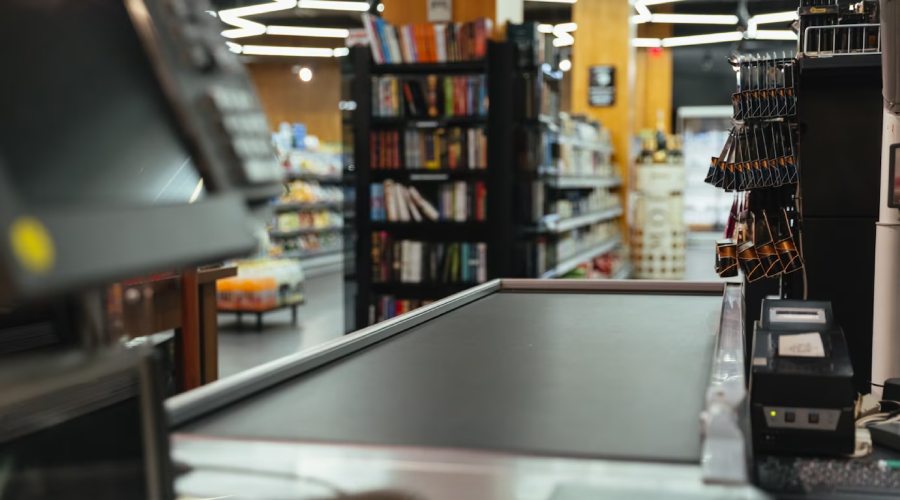
In the fast-paced environment of a convenience store, every interaction with customers presents an opportunity to enhance the shopping experience. While doing that, you can also of course increase profitability. And at the end of the day, that is everybody’s main goal. One such opportunity lies in the power of Point of Sale (POS) merchandising. 

Strategically placed products and well-designed displays at the checkout can have a huge impact on how your customers shop. The biggest value lies in taking care of impulse purchases. Oftentimes those contribute to the overall profitability of your store. 

Therefore in this article we will explore how to effectively leverage POS merchandising, while discussing suitable products, display design, and the use of POS technology to optimise results.

Understanding impulse purchases at the POS

To fully harness the power of POS merchandising, it’s essential first to understand the nature of impulse purchases. Especially in a convenience store setting.

To start off, it is important to understand that impulse purchases typically involve items that consumers buy without prior planning. Those are often triggered by seeing the product right before checkout. In very simple terms, when you do not plan to buy something but end up buying it impulsively – an impulse purchase is made.

These purchases can significantly increase the average transaction value in your store, boosting overall profits. Factors that can enhance impulse purchases include the attractiveness of the product display, the perceived value of the product, and its relevance to the consumer’s immediate needs or desires.

Choosing suitable products for POS displays is essential

It is important to think about the selection of products displayed at the POS displays. It is so because they can greatly influence the effectiveness of your merchandising strategy.

Items that are often purchased on impulse make excellent choices for POS displays. These might include small, lower-priced items. 

Examples could be anything similar to:

Candy,

chewing gum, 

snacks, 

magazines,

novelty items etc.

Limited-time offers or promotional items can also draw attention and stimulate purchases. Additionally, consider items that add value to other products in your store. Examples could be  batteries near the electronics, or wine bottle openers near the alcohol section. 

Remember that the key is to offer products that can be quickly and easily evaluated by customers as they wait at the checkout. It needs to be something that any customer either could’ve forgot to buy and realised they needed last second.

How to design an effective POS display

The design of your POS displays plays a critical role in capturing customer attention and influencing purchasing decisions. That is why it is so important to know how to design an effective POS display.

Good POS display design should be visually appealing, drawing the customer’s eye as they approach the checkout. Therefore it is good to use clear signage to highlight special offers or new products. 

Another tip is to keep the display neat and well-stocked, as a messy or sparse display can deter customers. Ensure the items are easy to pick up and examine. The easier a product is to interact with, the more likely a customer is to purchase it.

Make sure to balance additional purchases and checkout efficiency

While POS merchandising is a powerful tool for encouraging additional purchases, it’s important to balance this with maintaining an efficient checkout process. 

If your POS area is too cluttered or the displays obstruct the checkout process, this can cause frustration. Then the slow down of transactions follows. It is good to keep in mind that your customers will value a quick, smooth checkout experience. Especially in a convenience store setting. 

Be mindful of the space you have available and ensure that your displays enhance rather than hinder the checkout process.

POS technology for merchandising decisions

Modern POS technology can provide valuable insights to inform your merchandising decisions. It will also help you to  maximise the profitability of your POS displays.

POS systems can track the sales of each product in your store, providing data on which items sell well, at what times, and in what combinations. 

You can use this valuable information to choose suitable products for your POS displays, identify effective promotions, and determine the optimal placement of items. 

Some POS systems also offer inventory management features. That will help to ensure your POS displays are always well-stocked.

Conclusion

Point of Sale merchandising is a strategic tool that, when used effectively, can significantly enhance the profitability of your convenience store. If you understand the drivers of impulse purchases, then you can optimise your POS merchandising strategy. 

That will create a checkout experience that both satisfies customers and boosts sales. Remember that effective POS merchandising goes beyond just placing products near the checkout. It involves carefully analysing customer behaviour and making strategic product choices.

Best of luck to use your newly gained knowledge on Point of Sale merchandising in your business!

Check out our other articles such as How to Design Eye-Catching Vendor Display Stands or Optimizing Supermarket Layouts with Strategic Merchandising.